10 Ways AI Will Transform Healthcare by 2040
Introduction
The healthcare landscape is on the cusp of its most significant transformation in a century. While artificial intelligence is already making inroads in diagnostics and data analysis, the next 10-20 years will see AI evolve from a supportive tool to the central nervous system of global health systems. We are moving beyond incremental improvements toward a complete paradigm shift in how we predict, prevent, and treat disease. This transformation will not only extend human healthspans but also fundamentally redefine the patient-provider relationship and the very economics of healthcare. For leaders in medicine, biotechnology, and insurance, achieving Future Readiness means understanding and preparing for these seismic shifts today. This listicle explores ten specific ways AI will reshape our well-being by 2040.
1. Predictive Health Avatars
Every individual will have a dynamic, AI-powered digital twin—a “Health Avatar”—that continuously learns from their genomics, real-time biometrics from wearables, environmental data, and lifestyle choices. This avatar won’t just track your current state; it will run millions of simulations to predict future health risks with startling accuracy. It could alert you to a 85% probability of developing a specific cardiac condition within five years, not based on population averages, but on your unique biological makeup and life trajectory. The practical implication is a monumental shift from reactive sick-care to proactive, pre-emptive healthcare. This requires a new framework for data privacy and a rethinking of insurance models based on risk mitigation rather than treatment costs.
2. AI-Driven Drug Discovery at Lightspeed
The traditional drug discovery pipeline, which can take over a decade and cost billions, will be compressed into months. AI systems will analyze complex biological networks, predict how molecules will interact with disease pathways, and design novel compounds with optimal efficacy and minimal side effects. We will see the rise of “drugs for an audience of one,” where AI designs personalized therapies for ultra-rare diseases or an individual’s specific cancer mutation. This will democratize access to cutting-edge treatments but also challenge regulatory bodies like the FDA to adapt their approval processes for AI-generated, hyper-personalized medicine. Pharmaceutical companies must invest in quantum-AI partnerships to stay relevant.
3. Autonomous Robotic Surgeons
Surgical robots will evolve from being tele-operated tools to fully autonomous systems for specific, standardized procedures. An AI surgeon, trained on millions of hours of surgical video and patient outcome data, will perform a routine appendectomy or cataract surgery with sub-millimeter precision, surpassing human steadiness and consistency. These systems will integrate real-time imaging to navigate anatomical variances and avoid critical structures autonomously. The role of the human surgeon will shift to that of a systems overseer and a performer of highly complex, non-standardized operations. This transition necessitates new training paradigms for medical professionals and a public communication strategy to build trust in automated care.
4. Hyper-Personalized Mental Health Support
Mental healthcare will be revolutionized by AI companions that provide 24/7, on-demand support. These are not simple chatbots; they will analyze speech patterns, facial micro-expressions (via camera), and typing behavior to detect nuanced shifts in mood, anxiety, or cognitive decline. They can deliver personalized Cognitive Behavioral Therapy (CBT) exercises, mediate mindfulness sessions, and alert a human therapist only when a significant crisis is detected. This creates a scalable, first-line defense against the global mental health crisis, making support accessible to millions. The challenge lies in ensuring these AIs are built on ethically-sourced, diverse data to avoid biases and are designed with robust, fail-safe protocols for crisis intervention.
5. Decentralized and Automated Diagnostics
The centralized medical lab will become largely obsolete. AI will power sophisticated diagnostic tools embedded in smart toilets, bathroom mirrors, and handheld devices. Your toilet could perform a daily urinalysis to screen for metabolic diseases, while a smart mirror using hyperspectral imaging might scan for early signs of skin cancer or nutritional deficiencies. These devices will feed data directly to your Health Avatar, which interprets the results in context and only escalates findings that represent a statistically significant deviation from your baseline. This decentralization empowers individuals but places a new onus on health literacy and data interpretation skills for the general public.
6. Pandemic Prediction and Prevention Networks
Global AI networks will continuously monitor thousands of data streams—from wastewater and air quality sensors to satellite imagery and anonymized travel patterns—to predict zoonotic spillover events and pandemic outbreaks before they happen. By modeling virus evolution and transmission pathways, these systems will provide public health officials with early warnings, precise containment strategies, and optimized vaccine development blueprints. The concept of a “lockdown” could be replaced by hyper-local, AI-recommended interventions. Achieving this Future Readiness requires unprecedented international data-sharing agreements and a global governance framework for AI in public health.
7. The End of Generic Treatment Plans
The one-size-fits-all treatment plan will be a relic of the past. AI will synthesize a patient’s full dataset—genome, proteome, microbiome, metabolome, and exposome—to generate a unique, dynamic “N-of-1” treatment pathway. For a cancer patient, this means an AI will not only select the best drug combination but also predict the exact timing and dosage adjustments needed to overcome resistance, all while managing side effects in real-time. This hyper-personalization maximizes therapeutic success and minimizes patient suffering. It forces a complete overhaul of clinical trial methodologies and health insurance reimbursement models that are currently built around standardized, population-based evidence.
8. AI as the Ultimate Medical Knowledge Synthesizer
No human doctor can keep pace with the millions of medical studies published annually. By 2040, every clinician will be assisted by an AI “co-pilot” that has instant access to the entirety of medical literature, clinical trial data, and real-world evidence. This AI can cross-reference a patient’s unique presentation against global data to suggest rare diagnoses a human might miss and recommend the most up-to-date, evidence-based treatment options. This doesn’t replace the doctor but elevates their role to that of a master diagnostician and empathetic counselor, freed from the burden of memorization and administrative tasks.
9. Streamlined and Empathetic Administrative Automation
The colossal administrative burden that consumes nearly a third of U.S. healthcare spending will be eradicated. AI will fully automate prior authorizations, insurance claims processing, billing, and clinical documentation. Natural Language Processing (NLP) AIs will listen to patient-doctor conversations and automatically generate perfect, coded clinical notes. This will liberate clinicians to spend more time with patients, dramatically reduce administrative costs, and decrease physician burnout. The transition requires investing in interoperable health IT systems and retraining administrative staff for higher-value roles in system management and patient navigation.
10. Ethical AI Auditors and Bias Mitigation
As AI becomes deeply embedded in life-and-death decisions, a new field of “AI Healthcare Auditing” will emerge. Independent AI systems will be tasked with continuously auditing clinical AIs for drift, bias, and fairness. They will ensure that a diagnostic algorithm performs equally well across all ethnicities, genders, and socioeconomic groups. These auditors will provide a transparency layer, explaining an AI’s reasoning in an interpretable way for both patients and regulators. Building trust in this new era of medicine depends on making these ethical frameworks and audit trails a non-negotiable part of any clinical AI deployment.
Conclusion
The integration of AI into healthcare by 2040 promises a world where disease is predicted and prevented rather than reacted to, where treatments are uniquely tailored to the individual, and where the administrative friction that plagues the system is a distant memory. However, this future is not automatic. It demands proactive leadership, robust ethical frameworks, and a commitment to digital equity. The journey to this future begins with a strategic understanding of these trends today. The question for every health leader is not if they will adopt AI, but how swiftly and strategically they can build a Future Ready organization to harness its full potential.
—
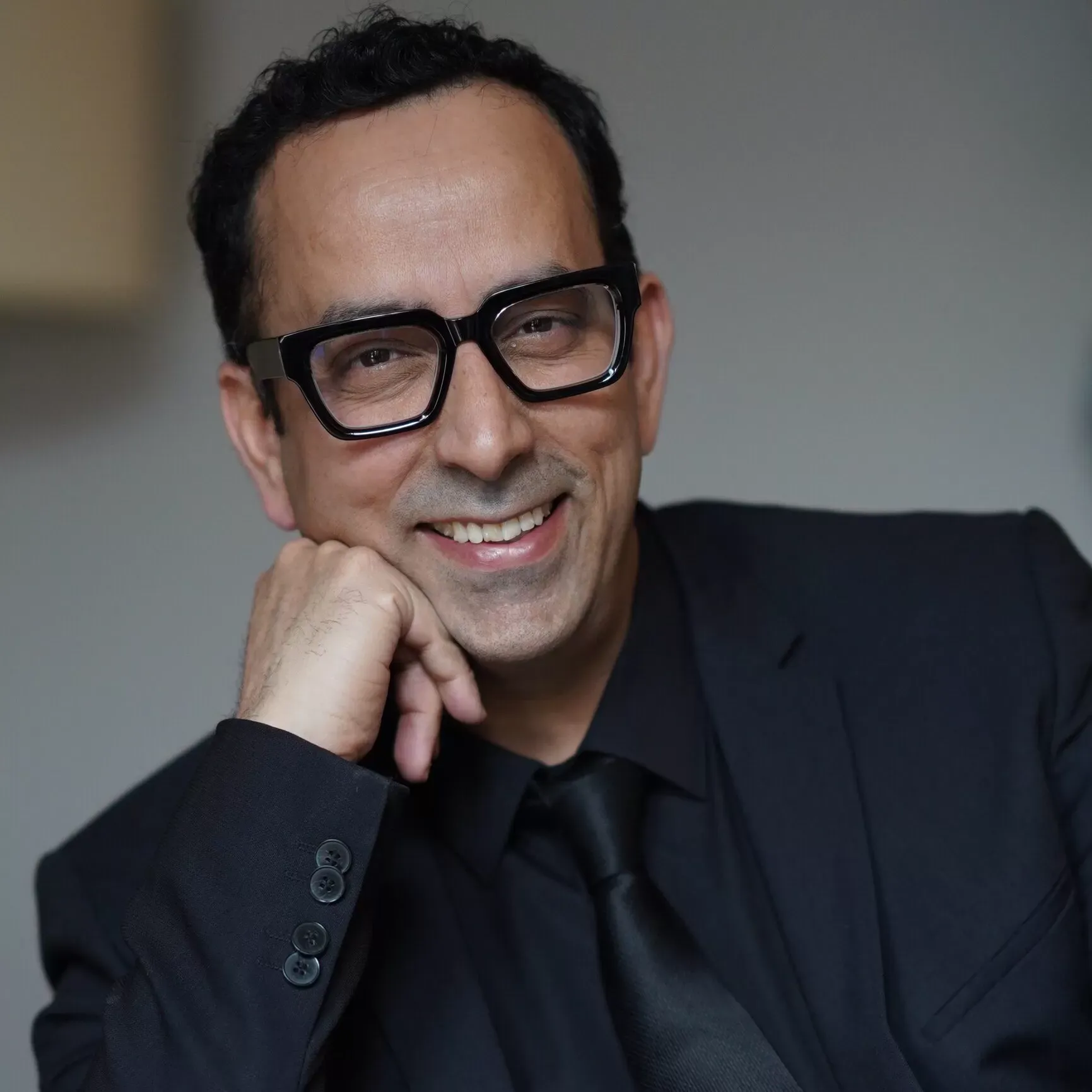
About Ian Khan
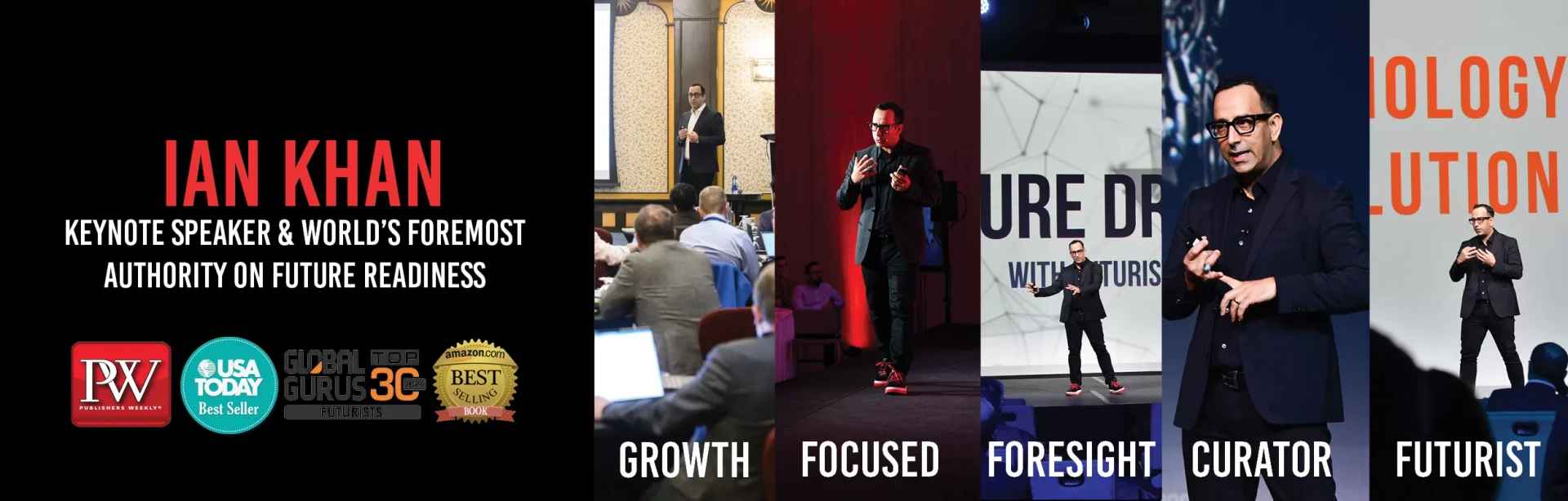
Ian Khan is a globally recognized futurist, CNN contributor, and the creator of the Amazon Prime series “The Futurist.” His ability to demystify complex technological trends and translate them into actionable business strategies has made him one of the most sought-after keynote speakers in the world. As a Thinkers50 Radar Award recipient, he is recognized for his groundbreaking ideas on management and leadership in the digital age.
His expertise spans the very technologies—including AI, blockchain, and the metaverse—that are poised to revolutionize healthcare and every other industry. Ian doesn’t just predict the future; he provides the frameworks, like his Future Readiness Model, that help organizations navigate disruption, foster innovation, and build lasting resilience. His insights are backed by years of research and his experience as a bestselling author, guiding Fortune 500 companies and governments worldwide.
To prepare your organization for the seismic shifts outlined in this article, contact Ian Khan for a transformative keynote speech, a Future Readiness workshop, or strategic consulting on digital transformation. Equip your leadership team with the foresight and tools needed to thrive. Book Ian for your next virtual or in-person event today.