World’s Greatest Inventions – The PCR Machine by Kary Mullis
Summary Introduction
In the realm of scientific advancements, few inventions have revolutionized our understanding of biology and medicine as profoundly as the Polymerase Chain Reaction (PCR) machine, invented by Kary Mullis in 1983. This groundbreaking technology allows scientists to replicate DNA with remarkable speed and accuracy, making it an essential tool in molecular biology. As the backbone of genetic research, diagnostics, and forensic science, the PCR machine has transformed the landscape of scientific inquiry, enabling breakthroughs in everything from disease detection to criminal justice. Join us as we delve into the intricate workings of this invention, its historical context, the life of its creator, and the monumental impact it has had on the world.
Detailed Description
At its core, the PCR machine functions as a sophisticated thermal cycler, designed to amplify small segments of DNA through a process known as polymerase chain reaction. This method involves repeated cycles of heating and cooling, which cause DNA strands to denature, or separate, and then re-anneal with the help of a DNA polymerase enzyme. By adding specific primers that bind to the target DNA sequence, the machine can exponentially replicate the DNA, producing millions of copies within a few hours.
Key features of the PCR machine include its precise temperature control, which allows for the accuracy of each cycle, and its ability to run multiple samples simultaneously. The innovation of using short sequences of synthetic DNA, known as primers, was pivotal, as it directed the amplification process to specific regions of the genome. Simplified, the PCR machine takes a minute fragment of DNA and creates a vast quantity, enabling scientists to conduct experiments that were previously impossible.
Historical Context
In 1983, the world was on the cusp of technological transformation. The Cold War was nearing its end, with political tensions easing, yet the threat of nuclear proliferation loomed large. Socially, people were experiencing the early stirrings of the digital age; personal computers were beginning to infiltrate homes, and the internet was in its infancy. Amid this backdrop, the scientific community was grappling with the complexities of genetic research, which was limited by the tools available at the time.
The economic landscape was marked by volatility, with inflation and unemployment rates fluctuating across nations. The biotechnology sector, however, was gaining momentum as researchers sought innovative solutions to pressing global challenges, such as disease outbreaks and food security. In this climate, the need for a method to rapidly analyze genetic material became increasingly urgent, paving the way for Mullis’s invention.
The Inventor’s Story
Kary Mullis was born on December 28, 1944, in Lenoir, North Carolina. Raised in a family that valued education and creativity, Mullis showed an early affinity for science and the outdoors. He pursued his undergraduate studies at the University of California, Berkeley, where he earned a degree in chemistry. His later work at the Cetus Corporation in California would set the stage for his groundbreaking invention.
Mullis’s journey was not without its struggles. He faced challenges, including a tumultuous personal life and a persistent sense of being an outsider in the academic community. However, these experiences only fueled his passion for innovation. It was in the early 1980s, during a late-night drive through the California hills, that he conceptualized the idea of amplifying DNA, leading to the creation of the PCR technique.
Beyond PCR, Mullis’s legacy includes a commitment to scientific integrity and outspoken views on various scientific topics. He received the Nobel Prize in Chemistry in 1993 for his contributions to the field. His life remains a testament to the power of creativity and perseverance in the face of adversity.
The Invention Process
The development of the PCR machine was a product of Mullis’s relentless experimentation and innovative thinking. The initial idea emerged in 1983, but it took several years of refinement and testing before it became a viable technology. Mullis worked closely with his colleagues at Cetus, where they explored different enzymes and conditions that would optimize the amplification process.
Key breakthroughs occurred when Mullis discovered that a heat-stable DNA polymerase, derived from the bacterium Thermus aquaticus, could withstand the high temperatures required for denaturation. This “eureka” moment marked a turning point, as it eliminated the need to add new enzymes for each cycle. Despite facing skepticism from some in the scientific community, Mullis persisted, conducting experiments that would eventually lead to the first successful PCR amplification in 1985.
Collaboration played a significant role in the invention process, with support from fellow scientists and researchers who recognized the potential of Mullis’s work. After years of dedication, the PCR machine made its debut, forever changing the field of molecular biology.
Global Impact
The introduction of the PCR machine had immediate and far-reaching effects. In laboratories around the world, scientists could now perform genetic analyses with unprecedented speed and precision. This innovation transformed fields such as medical diagnostics, where PCR became instrumental in detecting infectious diseases like HIV and COVID-19, as well as genetic disorders.
The machine also revolutionized forensic science, enabling law enforcement agencies to analyze minute DNA samples from crime scenes, leading to breakthroughs in criminal investigations. Industries related to biotechnology, pharmaceuticals, and agriculture flourished as PCR facilitated advancements in genetic engineering and personalized medicine.
In the long term, the PCR machine has played a pivotal role in the Human Genome Project and continues to be a vital tool in ongoing genetic research. Its relevance in modern science remains undeniable, shaping our understanding of genetics and paving the way for future innovations.
Conclusion with Ian Khan’s Perspective
The invention of the PCR machine serves as a powerful reminder of the potential of human ingenuity. It highlights how a single innovative idea can lead to monumental change, influencing not only scientific research but also everyday life. As we stand on the brink of new technological frontiers, including advancements in artificial intelligence, the spirit of innovation embodied by Kary Mullis will inspire future generations to push boundaries and explore the unknown.
About Ian Khan
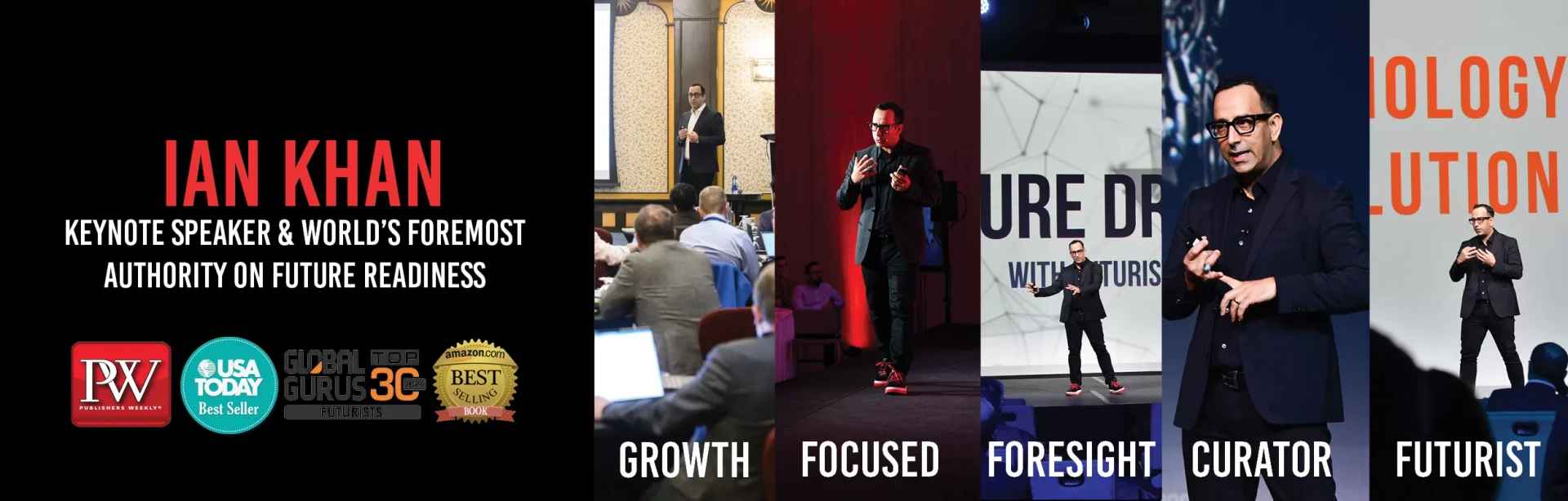
Ian Khan is a globally recognized Futurist, Technology Keynote Speaker, and AI Expert helping organizations navigate digital transformation. A CNN contributor and author of multiple bestselling books, Ian has delivered keynotes at Fortune 500 companies worldwide. His insights on emerging technologies, AI ethics, and the future of business have made him a trusted voice for leaders preparing for tomorrow.
Call to Action
Ready to bring transformative insights to your next event? Book Ian Khan as your keynote speaker: [https://iankhan.com/contact](https://iankhan.com/contact)