World’s Greatest Inventions – The Light Bulb by Thomas Edison
Summary Introduction
The invention of the light bulb stands as one of the most transformative innovations in human history. Developed by Thomas Edison in the late 19th century, the light bulb not only illuminated homes and streets but also revolutionized the way people live and work. This invention marked the dawn of a new era, enabling longer working hours, enhancing productivity, and fundamentally changing social interactions. As we explore the intricacies of the light bulb, we uncover its profound impact on society and the legacy of its inventor.
Detailed Description
The light bulb operates on the principle of incandescence, where a filament is heated to a high temperature until it glows, producing light. Edison’s design utilized a carbon filament, which was encased in a glass bulb to create a vacuum, preventing the filament from oxidizing and burning out quickly. This innovation significantly extended the lifespan of the bulb, making it practical for everyday use.
Key innovations included the development of a reliable electrical socket and the establishment of a complete electrical distribution system, which allowed for the widespread use of electric light. Edison’s work on the light bulb was not just about the bulb itself; it encompassed the entire infrastructure needed to support electric lighting, including generators and wiring systems.
Historical Context
When Edison invented the light bulb in the late 1870s, the world was undergoing significant changes. The Industrial Revolution was in full swing, leading to urbanization and a shift from agrarian societies to industrialized cities. Factories were emerging, and the demand for efficient lighting solutions was growing as businesses sought to extend working hours.
Prior to the light bulb, gas lamps and candles were the primary sources of light, which were often hazardous and inefficient. The introduction of electric light promised a safer, cleaner, and more reliable alternative. This period was marked by rapid technological advancements, and Edison’s invention was a pivotal moment in the evolution of electrical engineering and consumer technology.
The Inventor’s Story
Thomas Edison was born on February 11, 1847, in Milan, Ohio. He was the youngest of seven children in a modest family. Edison’s early education was disrupted due to his hearing impairment, which led him to develop a keen interest in experimentation and invention. His mother, a former schoolteacher, played a crucial role in nurturing his curiosity and love for learning.
Edison began his career as a telegraph operator, which exposed him to the world of electrical engineering. He married Mary Stilwell in 1871, and they had three children together. However, their marriage faced challenges, and they eventually divorced. Edison’s relentless work ethic often took precedence over his family life, leading to strained relationships.
Despite facing numerous failures and setbacks, Edison’s determination and innovative spirit propelled him to success. He held over 1,000 patents, with the light bulb being one of his most significant achievements. Edison’s legacy extends beyond the light bulb; he founded General Electric, one of the largest and most diversified industrial corporations in the world.
The Invention Process
The invention of the light bulb was not a solitary endeavor; it was the result of years of experimentation and collaboration. Edison began working on the light bulb in 1878, conducting thousands of experiments to find the right materials for the filament. His first successful prototype was created in 1879, but it took several more years of refinement to develop a commercially viable product.
Edison’s methodology involved trial and error, as he tested various materials, including carbonized bamboo and different metals, to find the optimal filament. Collaborators, including his assistant Francis Upton, played a vital role in the development process, contributing to the design and engineering aspects of the light bulb.
By 1880, Edison had successfully demonstrated a practical incandescent light bulb, leading to the establishment of the Edison Electric Light Company. This marked the beginning of the widespread adoption of electric lighting, transforming homes and businesses across the United States and beyond.
Global Impact
The immediate effects of the light bulb were profound. It revolutionized the way people illuminated their homes, leading to increased safety and convenience. The light bulb also transformed industries, enabling factories to operate around the clock and enhancing productivity.
Long-term changes included the establishment of electrical infrastructure, which laid the groundwork for modern power distribution systems. The light bulb became a symbol of progress and innovation, influencing countless inventions and technologies that followed.
Today, the legacy of the light bulb continues to shine brightly, as advancements in lighting technology, such as LED and smart lighting, build upon Edison’s foundational work. The light bulb not only changed the way we see the world but also how we interact with it, fostering creativity, productivity, and social engagement.
Conclusion with Ian Khan’s Perspective
From my perspective as a futurist, the invention of the light bulb exemplifies the power of innovation to reshape society. It serves as a reminder that great inventions often arise from a combination of curiosity, perseverance, and collaboration. As we continue to advance technologically, the principles of connectivity and illumination remain at the forefront of human progress.
The light bulb’s legacy endures, inspiring future generations to explore new frontiers and harness the power of innovation to create a brighter future for all.
About Ian Khan
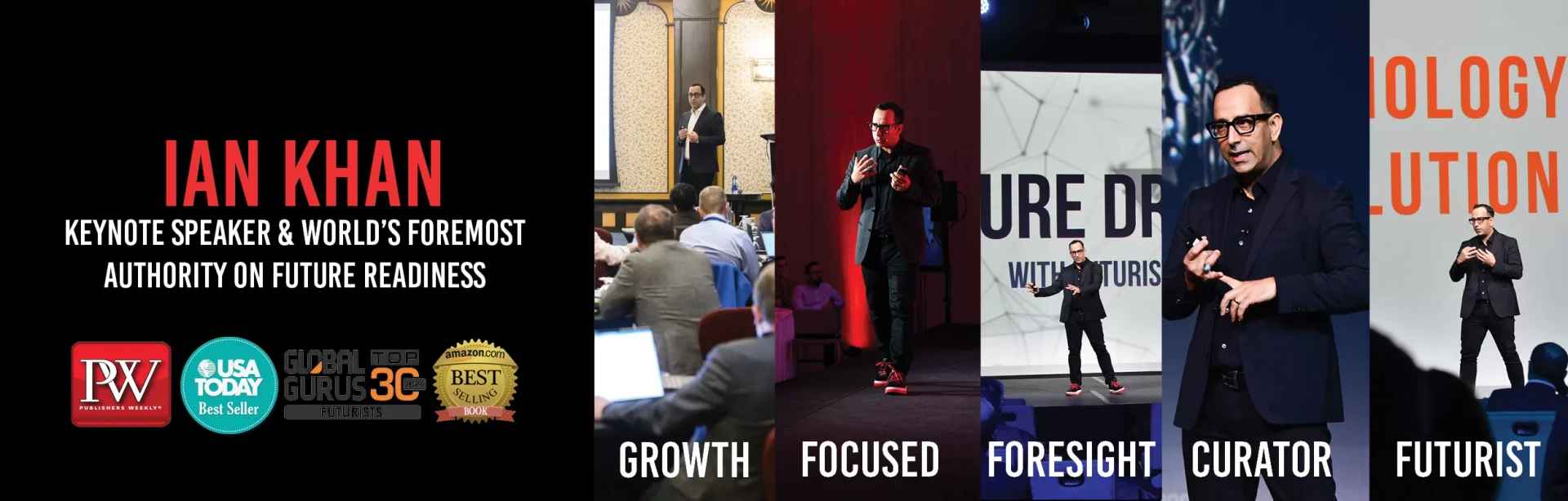
Ian Khan is a globally recognized futurist, technology keynote speaker, and AI expert helping organizations navigate digital transformation. A CNN contributor and author of multiple bestselling books, Ian has delivered keynotes at Fortune 500 companies worldwide. His insights on emerging technologies, AI ethics, and the future of business have made him a trusted voice for leaders preparing for tomorrow.
Call to Action
Ready to bring transformative insights to your next event? Book Ian Khan as your keynote speaker: [https://iankhan.com/contact](https://iankhan.com/contact)