World’s Greatest Inventions – The Electric Light Bulb by Thomas Edison
Summary Introduction
The invention of the electric light bulb by Thomas Edison in the late 19th century revolutionized the way humans illuminate their lives. This groundbreaking invention not only extended the hours of productivity and leisure but also transformed entire industries and societies. The electric light bulb is a symbol of innovation, representing the shift from gas and candlelight to a new era of electric illumination. Join us as we explore the intricacies of this remarkable invention, the life of its visionary creator, and its lasting impact on our world.
Detailed Description
Edison’s electric light bulb was a culmination of years of experimentation and innovation. The bulb consists of a glass enclosure that houses a filament, typically made of carbon or tungsten, which glows when an electric current passes through it. The design also includes a vacuum or inert gas inside the bulb to prevent the filament from oxidizing and burning out quickly.
The key innovation of Edison’s light bulb was the development of a practical and long-lasting filament. After testing thousands of materials, he discovered that a carbonized bamboo filament could last over 1,200 hours, making it commercially viable. This breakthrough allowed for the mass production of light bulbs, making electric lighting accessible to the general public.
Historical Context
In the late 1800s, the world was undergoing significant changes. The Industrial Revolution was in full swing, bringing about advancements in technology, manufacturing, and transportation. Cities were expanding rapidly, and the demand for reliable lighting sources was growing. Prior to the electric light bulb, gas lamps and candles were the primary means of illumination, but they were often hazardous and inefficient.
The social landscape was also evolving, with more people moving to urban areas for work. This shift created a need for safer and more efficient lighting solutions to accommodate the growing population. Edison’s invention came at a crucial time, providing a solution that would not only enhance daily life but also support the burgeoning industrial economy.
The Inventor’s Story
Thomas Edison was born on February 11, 1847, in Milan, Ohio. He was the youngest of seven children in a modest family. Edison’s early education was limited, as he struggled with traditional schooling due to his hearing impairment. However, his mother, a former schoolteacher, encouraged his curiosity and love for learning.
Edison began working at a young age, selling newspapers and working as a telegraph operator. His experiences in the telegraph industry sparked his interest in electrical engineering and invention. Throughout his life, Edison faced numerous challenges, including financial difficulties and skepticism from peers. However, his relentless determination and innovative spirit drove him to achieve remarkable success.
Edison held over 1,000 patents, with the electric light bulb being one of his most significant contributions. His work not only changed the way people lived but also laid the foundation for the modern electrical industry.
The Invention Process
The development of the electric light bulb was a lengthy and iterative process. Edison began his experiments in the late 1870s, focusing on creating a practical incandescent light. He tested various materials for the filament, including carbonized paper, cotton, and bamboo, before finally settling on carbonized bamboo as the most effective option.
Edison’s methodology involved extensive trial and error, as he meticulously documented his experiments and results. He collaborated with a team of skilled workers and engineers at his Menlo Park laboratory, fostering an environment of innovation and creativity. Despite facing numerous failures and setbacks, Edison’s persistence ultimately led to the successful creation of a commercially viable light bulb in 1879.
Global Impact
The introduction of the electric light bulb had an immediate and profound impact on society. It revolutionized the way people lived and worked, extending productive hours beyond daylight. Factories could operate around the clock, and homes became safer and more comfortable with reliable lighting.
In the long term, the electric light bulb transformed entire industries, including manufacturing, entertainment, and transportation. It paved the way for the development of electrical infrastructure, leading to the widespread adoption of electricity in homes and businesses. The light bulb also inspired further innovations in electrical technology, including the development of electric power generation and distribution systems.
Today, the legacy of the electric light bulb continues to influence our lives. Modern lighting technologies, such as LED and fluorescent bulbs, owe their existence to Edison’s pioneering work, demonstrating the enduring importance of innovation in addressing humanity’s needs.
Conclusion with Ian Khan’s Perspective
The story of the electric light bulb serves as a powerful reminder of the transformative potential of innovation. As we navigate the complexities of the modern world, the lessons learned from Edison’s invention resonate deeply. The ability to illuminate our surroundings not only enhances our quality of life but also empowers us to explore new frontiers in technology and science.
About Ian Khan
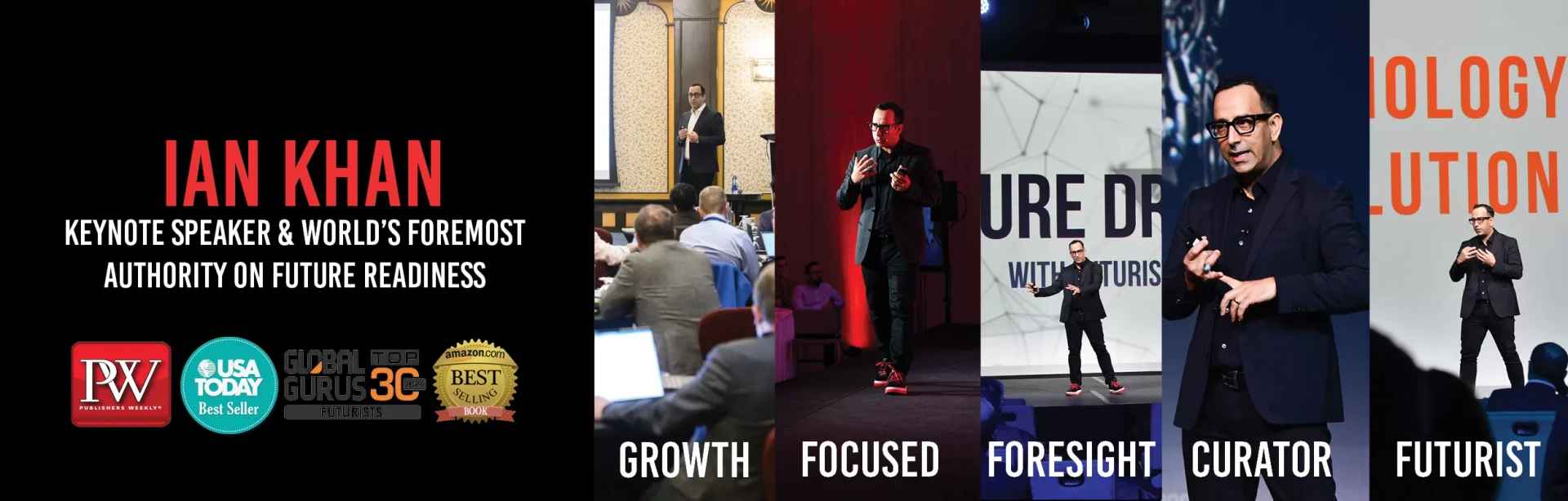
Ian Khan is a globally recognized Futurist, Technology Keynote Speaker, and AI Expert helping organizations navigate digital transformation. A CNN contributor and author of multiple bestselling books, Ian has delivered keynotes at Fortune 500 companies worldwide. His insights on emerging technologies, AI ethics, and the future of business have made him a trusted voice for leaders preparing for tomorrow.
Call to Action
Ready to bring transformative insights to your next event? Book Ian Khan as your keynote speaker: https://iankhan.com/contact