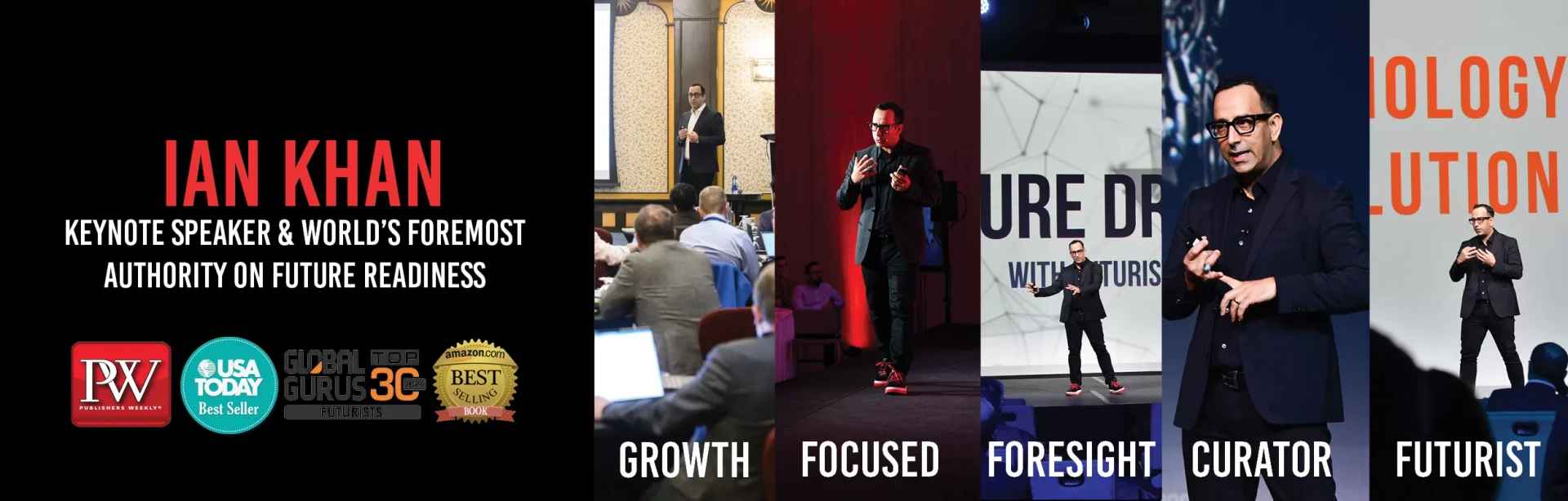
The familiar swipe of a plastic card at checkout counters may soon become a relic of the past. As digital transformation accelerates across banking and financial services, industry leaders are grappling with a critical question: what will replace the physical payment cards that have dominated transactions for decades? The answer lies at the intersection of biometric authentication, tokenization, and decentralized finance—a convergence that futurist keynote speaker Ian Khan has been tracking with keen insight.
For over fifty years, plastic cards have served as the primary vehicle for non-cash transactions. From the first Diners Club card in 1950 to today’s contactless EMV chips, these physical tokens have been remarkably resilient. Yet recent data suggests a tipping point is near. Visa reports that 65% of global transactions now use tap-to-pay, while Mastercard plans to phase out manual card entry entirely by 2030. This shift isn’t just about convenience—it’s a fundamental reimagining of how value moves between parties in an increasingly digital economy.
The transition away from plastic is being driven by three seismic forces. First, consumer demand for frictionless experiences has made mobile wallets like Apple Pay and Google Pay mainstream. Second, security concerns have pushed adoption of tokenization, where sensitive card data is replaced with unique digital identifiers. Third, regulatory frameworks like PSD2 in Europe are mandating stronger customer authentication, creating fertile ground for biometric solutions. Together, these trends suggest we’re not merely evolving payment methods but entering a post-plastic era.
Futurist Ian Khan, whose documentary The Future of Futurism explores such technological inflection points, sees this as part of a broader pattern. In his keynotes for financial institutions, Khan emphasizes that payment methods don’t disappear—they layer. Just as paper checks still exist alongside cards, plastic will persist in niche use cases. But the center of gravity is shifting decisively toward integrated digital identity solutions. Khan predicts that by 2030, most consumers will access credit through embedded finance interfaces rather than discrete cards, with authentication handled by device-based biometrics or behavioral analytics.
This vision aligns with emerging industry realities. Mastercard’s cloud-based tokenization technology already processes 30% of transactions without exposing card numbers, while Visa’s new Payment Passkey uses facial recognition for online checkout. In Asia, super-apps like Alipay demonstrate how payment functionality can dissolve into broader platforms. For Khan, these aren’t isolated innovations but steps toward what he calls ambient finance—where financial services become invisible infrastructure woven into daily life through IoT devices, wearables, and eventually neural interfaces.
For banking leaders navigating this transition, Khan offers actionable insights grounded in his work with global financial institutions. The first imperative is to decouple brand identity from physical artifacts. Just as music labels survived the shift from CDs to streaming, card issuers must position themselves as orchestrators of value flows rather than manufacturers of plastic. This requires investing in API ecosystems that enable seamless integration across digital wallets, BNPL platforms, and emerging payment rails.
Second, security paradigms must evolve from card-centric fraud prevention to holistic identity assurance. With biometric authentication and device-level tokenization reducing traditional card-not-present fraud, the next battleground will be synthetic identity attacks and AI-driven social engineering. Khan advises pairing technical solutions with customer education, creating what he terms a culture of cyber-awareness that treats security as a shared responsibility between institutions and users.
Finally, the metrics of success need redefinition. Where banks once competed on card design and reward structures, the future belongs to organizations that master contextual finance—delivering the right financial tool at the right moment within a user’s existing workflow. This could mean auto-generating virtual cards for specific merchant categories or using geofencing to activate payment modalities. As Khan noted in a recent keynote for a multinational bank, the winners in this space will be those who view payments not as a product but as a feature of broader customer experiences.
The strategic implications extend beyond technology stacks. Organizational structures built around card issuance need rethinking, with cross-functional teams combining UX designers, behavioral economists, and cybersecurity experts. Partnership strategies must also adapt, as demonstrated by Mastercard’s collaboration with Click to Pay—a unified digital wallet standard replacing proprietary solutions like Visa Checkout. For Khan, these shifts represent more than operational challenges; they’re opportunities to redefine what it means to be a financial services provider in the digital age.
When Ian Khan delivers keynotes on the future of payments, he doesn’t just present trends—he provides frameworks for action. His Undisrupted methodology helps leaders separate signal from noise, identifying which innovations have staying power versus those that are passing fads. Through case studies from mobile money in Africa to China’s QR code revolution, Khan demonstrates how cultural and regulatory contexts shape adoption curves, enabling attendees to develop regionally nuanced strategies.
What sets Khan apart as a futurist speaker is his ability to connect technological possibilities with human behaviors. In discussing digital wallet adoption, for instance, he explores not just the mechanics of NFC technology but the psychology of trust that determines whether consumers will abandon physical cards. This multidimensional perspective makes his keynotes invaluable for executives seeking to future-proof their organizations.
As the financial industry stands at this pivotal juncture, having a clear-eyed guide has never been more critical. The organizations that thrive will be those that recognize the deeper transformation underway—from payments as discrete events to finance as continuous, contextual service. This transition requires more than technical upgrades; it demands a fundamental reimagining of customer relationships and value propositions.
For banking and financial services leaders ready to explore these ideas in depth, booking Ian Khan as a keynote speaker provides both inspiration and practical roadmaps. His sessions equip teams with the tools to navigate disruption confidently, turning potential threats into strategic advantages. Whether through virtual presentations or in-person events, Khan’s insights help organizations not just anticipate the future but actively shape it.
To discuss how Ian Khan can tailor a keynote on the future of payments for your next conference or leadership summit, visit iankhan.com or contact his speaking team directly. In an era of rapid change, having a trusted futurist as your guide isn’t just valuable—it’s essential for staying ahead of the curve in the digital payments revolution.