Top 10 Success Stories in Sustainability
In an era where environmental concerns are at the forefront of global discussions, many companies are leading the way in sustainability. These organizations have not only adopted eco-friendly practices but have also integrated sustainability into their core business strategies, resulting in significant benefits for both the planet and their bottom lines. Here are ten companies that have demonstrated remarkable success in sustainability, showcasing their innovative approaches and measurable outcomes.
1. Unilever: Sustainable Living Brands
What They Did:
Unilever has committed to sustainability across its entire value chain, focusing on reducing its environmental footprint while increasing its positive social impact. The company’s Sustainable Living Brands, which prioritize sustainability, have outperformed the rest of its portfolio.
How They Made It Possible:
By setting ambitious targets for reducing plastic waste, carbon emissions, and water usage, Unilever has integrated sustainability into product development and marketing strategies. They also engage consumers in sustainability initiatives, encouraging responsible consumption.
Measurable Outcomes:
- Sustainable Living Brands grew 69% faster than the rest of the business.
- Unilever achieved a 100% recyclable or reusable plastic packaging goal by 2025.
Recognition:
Unilever has been recognized as one of the World’s Most Ethical Companies by Ethisphere and consistently ranks high in sustainability indices.
2. Tesla: Electric Vehicle Revolution
What They Did:
Tesla has transformed the automotive industry by making electric vehicles (EVs) desirable and practical. The company focuses on sustainable energy solutions, including solar energy and battery storage.
How They Made It Possible:
Through innovation in battery technology and a commitment to vertical integration, Tesla has reduced costs and improved the performance of its EVs. Their Gigafactories enable mass production of batteries and vehicles.
Measurable Outcomes:
- Tesla delivered over 1 million vehicles in 2021, leading the global EV market.
- The company’s market capitalization exceeded $800 billion, reflecting investor confidence in its sustainability mission.
Recognition:
Tesla has received numerous awards, including Motor Trend’s Car of the Year and recognition from the EPA for its low emissions.
3. Siemens: Digital Industries for Sustainability
What They Did:
Siemens has integrated sustainability into its digital industries division, focusing on energy efficiency and resource conservation in manufacturing.
How They Made It Possible:
By leveraging digital twin technology and IoT solutions, Siemens helps manufacturers optimize their processes, reduce waste, and lower energy consumption.
Measurable Outcomes:
- Siemens’ solutions have helped customers reduce energy consumption by up to 30%.
- The company aims to achieve carbon neutrality in its own operations by 2030.
Recognition:
Siemens has been recognized in the Dow Jones Sustainability Index and received the 2024 IoT Breakthrough Award.
4. IKEA: Circular Economy Initiatives
What They Did:
IKEA is committed to becoming a circular business by 2030, focusing on sustainable sourcing and product life cycle management.
How They Made It Possible:
By designing products for reuse, recycling, and refurbishment, IKEA aims to minimize waste. The company also invests in renewable energy and sustainable materials.
Measurable Outcomes:
- IKEA has committed to using only renewable or recycled materials in its products by 2030.
- The company has invested in wind and solar energy projects, generating more renewable energy than it consumes.
Recognition:
IKEA has been recognized as a leader in sustainability by various organizations, including the Global Sustainability Index.
5. Patagonia: Environmental Activism
What They Did:
Patagonia is known for its commitment to environmental activism and sustainable business practices, including using organic materials and fair labor practices.
How They Made It Possible:
The company donates 1% of sales to environmental causes and encourages customers to repair and recycle their products.
Measurable Outcomes:
- Patagonia has grown its sales to over $1 billion while maintaining its commitment to sustainability.
- The company’s Worn Wear program promotes the reuse of gear, reducing waste.
Recognition:
Patagonia has received numerous awards for its environmental efforts, including recognition from the Environmental Protection Agency.
6. Nestlé: Commitment to Sustainable Sourcing
What They Did:
Nestlé has committed to sourcing 100% of its coffee, palm oil, and cocoa sustainably, focusing on ethical practices and environmental stewardship.
How They Made It Possible:
By working closely with farmers and suppliers, Nestlé ensures that its sourcing practices support sustainable agriculture and protect biodiversity.
Measurable Outcomes:
- Nestlé has achieved 90% sustainable sourcing for its coffee and is on track to meet its 100% goal.
- The company has reduced greenhouse gas emissions in its operations by 30% since 2010.
Recognition:
Nestlé has been recognized for its sustainability efforts by various organizations, including the World Wildlife Fund.
7. Coca-Cola: Water Stewardship
What They Did:
Coca-Cola has implemented a comprehensive water stewardship program aimed at replenishing water used in its beverages and improving water access in communities.
How They Made It Possible:
By investing in water conservation projects and community partnerships, Coca-Cola aims to return 100% of the water used in its beverages to nature and communities.
Measurable Outcomes:
- The company has replenished over 1.5 billion liters of water through community projects.
- Coca-Cola has reduced its water usage ratio by 20% since 2010.
Recognition:
Coca-Cola has received accolades for its water stewardship efforts, including recognition from the United Nations.
8. Google: Renewable Energy Commitment
What They Did:
Google has committed to operating on 100% renewable energy and has invested heavily in solar and wind energy projects.
How They Made It Possible:
By purchasing renewable energy directly from producers and investing in energy efficiency, Google has significantly reduced its carbon footprint.
Measurable Outcomes:
- Google has achieved its goal of 100% renewable energy for its global operations since 2017.
- The company aims to operate on 24/7 carbon-free energy by 2030.
Recognition:
Google has been recognized as a leader in corporate sustainability by various organizations, including the Environmental Defense Fund.
9. Ford: Electrification Strategy
What They Did:
Ford is transitioning to electric vehicles (EVs) as part of its commitment to sustainability and reducing carbon emissions.
How They Made It Possible:
By investing $22 billion in electrification through 2025, Ford is developing a range of electric models, including the Mustang Mach-E and F-150 Lightning.
Measurable Outcomes:
- Ford aims to achieve carbon neutrality globally by 2050.
- The company has seen a significant increase in EV sales, with the Mustang Mach-E becoming a top-selling electric SUV.
Recognition:
Ford has received awards for its commitment to sustainability, including recognition from the EPA for its emissions reductions.
10. Danone: Health and Sustainability
What They Did:
Danone has integrated health and sustainability into its business model, focusing on nutritious products and sustainable sourcing.
How They Made It Possible:
By prioritizing plant-based ingredients and reducing plastic waste, Danone aims to create a positive impact on health and the environment.
Measurable Outcomes:
- Danone has committed to making all of its packaging recyclable or reusable by 2025.
- The company has seen a 30% increase in sales of plant-based products.
Recognition:
Danone has been recognized as a leader in sustainability by various organizations, including the World Economic Forum.
Key Success Patterns
Analyzing these success stories reveals common patterns:
1. Customer-Centric Innovation: Every success story begins with a deep understanding of customer pain points and an unwavering commitment to solving them.
2. Execution Excellence: Vision matters, but systematic execution, continuous improvement, and operational discipline separate winners from dreamers.
3. Platform Thinking: The most successful companies built platforms and ecosystems, not just products, creating network effects and sustainable competitive advantages.
4. Measurement and Iteration: These organizations rigorously measure results, learn from data, and rapidly iterate based on feedback.
5. Future Readiness: Winners anticipate change, invest ahead of demand, and position themselves for emerging opportunities rather than reacting to disruption.
Lessons for Your Organization
These success stories demonstrate that transformation is possible regardless of industry or size. Start by:
- Defining clear, measurable objectives aligned with customer value.
- Building cross-functional teams empowered to drive change.
- Investing in capabilities (technology, skills, processes) needed for success.
- Establishing metrics to track progress and demonstrate ROI.
- Celebrating wins while learning from setbacks.
Success in sustainability requires more than good intentions—it demands commitment, resources, and relentless focus on outcomes.
About Ian Khan: Futurist and Keynote Speaker
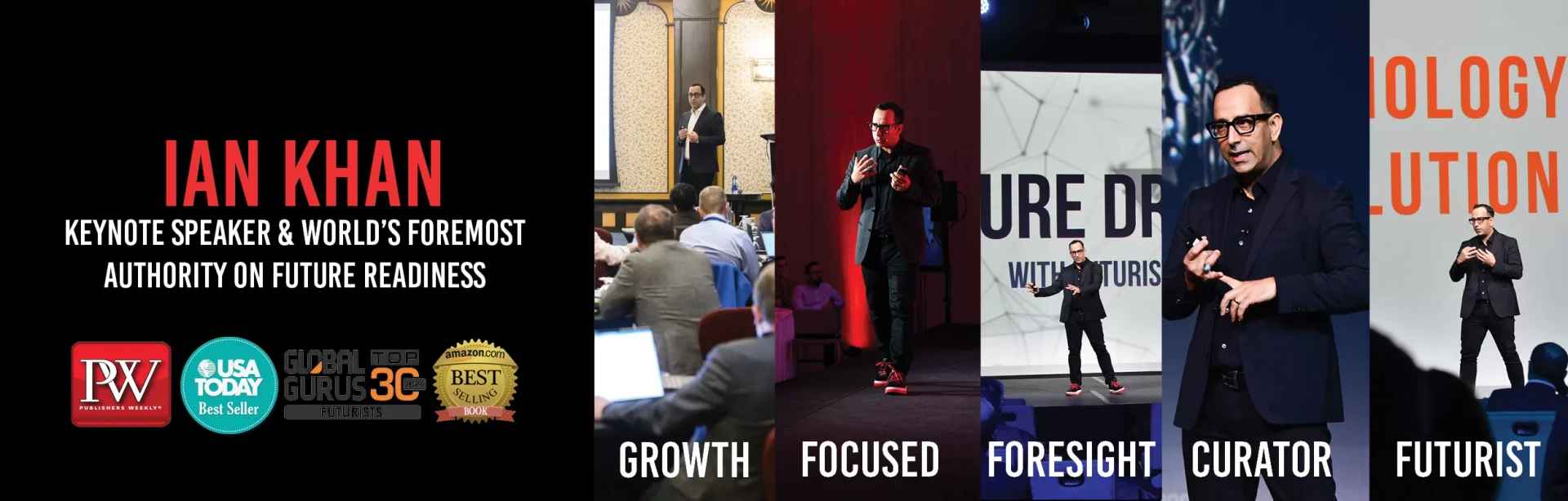
Ian Khan is a globally recognized futurist and technology expert who helps organizations navigate transformation and achieve breakthrough results. As a Thinkers360 Top 10 Thought Leader and finalist for the Thinkers50 Future Readiness Award, Ian brings unique insights into innovation, digital transformation, and organizational excellence.
Ian’s keynote presentations inspire audiences with real-world success stories, practical frameworks, and future-focused strategies that drive measurable results. His engaging style and actionable insights have helped organizations across industries accelerate their transformation journeys.
Book Ian Khan as Your Keynote Speaker
Transform your organization with insights from Ian Khan’s powerful keynote presentations. Ian delivers customized content featuring relevant success stories, proven methodologies, and inspiring vision that energizes teams and accelerates results.
Visit www.iankhan.com to learn more and book Ian for your next event.