Introduction
In the rapidly evolving tech landscape, change is the only constant. As we stand on the precipice of 2026, the software development arena is not just adapting; it is undergoing a seismic shift from the long-standing DevOps model to a burgeoning discipline known as Platform Engineering. This transformation is emblematic of a broader trend in technology—one that demands our urgent attention and readiness. As we navigate this new paradigm, the implications for Future Readiness, Digital Transformation, and AI Ethics are profound and far-reaching.
Data-Driven Analysis
According to a recent analysis, Platform Engineering is poised to redefine the developer experience by addressing scalability and operational efficiency that traditional DevOps practices struggle to meet. With 70% of organizations planning to adopt Platform Engineering strategies by 2026, it is clear that the industry recognizes the need for a more robust framework to support the complexities of modern software development (Source: Javacodegeeks.com). This shift is not merely a trend; it is a necessity for organizations aiming to thrive in an increasingly digital world.
As we look globally, the race for AI supremacy is heating up. China has surged ahead in AI capabilities, with a report indicating that it leads in both robotics and automation, further integrating these technologies within military operations (Source: Naturalnews.com). In contrast, the U.S. is striving to establish a national robotics strategy to reclaim its competitive edge, particularly in humanoid robotics and domestic manufacturing. This geopolitical landscape underscores the urgent need for nations and organizations to prepare for a future where technological prowess equates to power and influence.
Expert Insights
The transition to Platform Engineering is not just about technology; it is about cultivating a workforce that can navigate the complexities of this new environment. Amazon CTO Werner Vogels emphasizes the emergence of the “renaissance developer”—a modern polymath engineer capable of understanding systems, business context, and the human condition (Source: ComputerWeekly.com). This trend reflects a growing recognition that Future Readiness involves not only technical skills but also a deep understanding of the societal implications of technology.
Furthermore, a shift in marketing functions is also underway, with AI being leveraged to amplify strategies and optimize performance. As highlighted in an op-ed, organizations must embrace AI trends to remain competitive in 2026 and beyond (Source: Aidaily.au). This underscores the critical role of AI Ethics in ensuring that advancements serve humanity positively rather than contributing to digital inequity.
Daily Highlights
1. Platform Engineering vs. DevOps: The new discipline is expected to dominate the software development landscape by 2026, with 70% of organizations planning to adopt it (Javacodegeeks.com).
2. U.S. National Robotics Strategy: Aiming to reclaim leadership in humanoid robotics to counter China’s advancements, the U.S. is pushing for innovations in domestic manufacturing (Naturalnews.com).
3. China’s AI Supremacy: Reports indicate China’s significant lead in AI and robotics, emphasizing the need for the U.S. to bolster its technological capabilities (Naturalnews.com).
4. AI in Marketing: Organizations must adapt to AI trends in marketing to ensure success in the evolving landscape of 2026 (Aidaily.au).
5. Youth Unemployment: Contrary to popular belief, a hiring freeze, rather than AI, is driving youth unemployment rates higher amid economic uncertainty (Business Insider).
6. AI Usage in Sermons: A survey reveals that a majority of pastors are now using AI tools like ChatGPT for sermon preparation, showcasing the technology’s infiltration into various sectors (Christian Post).
7. India’s Nuclear Renaissance: India plans to invest $214 billion in its atomic power sector, joining a global movement towards nuclear energy expansion (Financial Post).
8. Transhuman Future Warnings: Experts are raising alarms about the implications of AI evolving into a more autonomous entity, urging a re-examination of our relationship with technology (Americanthinker.com).
Conclusion
As we move towards 2026, the urgency for Future Readiness cannot be overstated. Organizations must not only adopt new technologies but also prepare their workforce for the challenges and opportunities that lie ahead. The rise of Platform Engineering, the geopolitical race for AI supremacy, and the transformative power of AI in various sectors all point to a future where technology will shape humanity’s trajectory in unprecedented ways. It is imperative that we embrace these changes, transforming fear into purpose and progress. By prioritizing Future Readiness, we can ensure that technological advancements serve to empower humanity rather than diminish it.
About Ian Khan
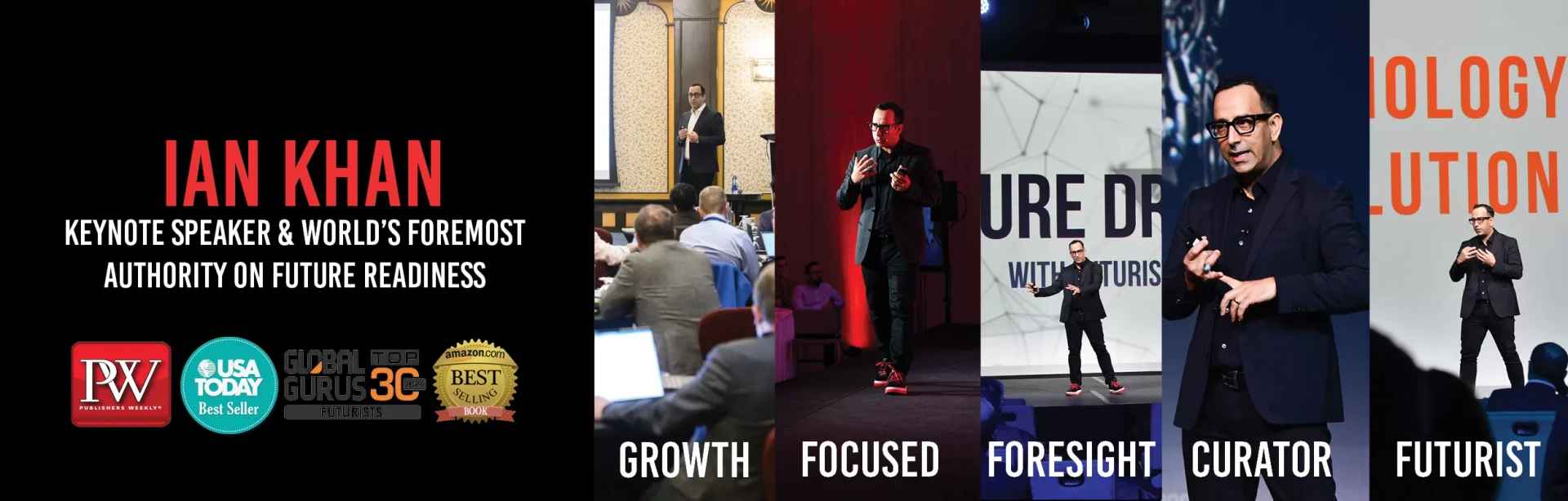
Ian Khan is a bestselling author and globally recognized futurist, dedicated to guiding organizations toward Future Readiness and Digital Transformation. His Amazon Prime series, “The Futurist,” explores emerging technologies and their implications for humanity. Recognized by Thinkers50 with the Radar Award, Ian’s insights into AI Ethics and exponential technologies have made him a sought-after speaker at conferences around the world. With numerous accolades and a wealth of experience, Ian is committed to helping organizations navigate the complexities of technological change.
Contact Ian today for keynote speaking opportunities, Future Readiness workshops, strategic consulting on digital transformation, and engaging sessions—both virtual and in-person. Together, let’s prepare for a future where technology elevates humanity.