








Opening: Why Sustainability Matters Now More Than Ever
In today’s rapidly evolving business landscape, sustainability has shifted from a peripheral concern to a central driver of competitive advantage. As we approach 2026, companies that fail to integrate environmental, social, and governance (ESG) principles into their core operations risk obsolescence. The convergence of climate urgency, regulatory pressures, and consumer demand has created a perfect storm where sustainability isn’t just ethical—it’s essential for survival. According to recent data from the World Economic Forum, businesses that prioritize sustainability outperform their peers by 21% in long-term profitability, highlighting the tangible financial benefits of this transformation.
Current State: The Sustainability Revolution in Business
Across industries, organizations are re-evaluating their operations through a sustainability lens. In technology, companies like Microsoft and Google have committed to carbon-negative and carbon-free operations by 2030, leveraging innovations in renewable energy and circular economy models. The manufacturing sector is adopting Industry 4.0 technologies, such as IoT sensors and AI-driven analytics, to optimize resource use and reduce waste. For instance, Siemens has reported a 20% reduction in energy consumption through smart factory implementations. Meanwhile, the financial services industry is embedding ESG criteria into investment decisions, with global sustainable investments surpassing $35 trillion in 2024, as per Bloomberg estimates.
However, challenges persist. Many businesses struggle with greenwashing accusations due to inconsistent reporting standards, while the upfront costs of sustainable transformations can be prohibitive for smaller enterprises. A 2025 survey by Deloitte revealed that 65% of executives cite data transparency as a major hurdle in achieving sustainability goals.
Analysis: Implications, Challenges, and Opportunities
Implications of the Sustainability Shift
The move toward sustainability is reshaping business models, supply chains, and customer expectations. Companies are now accountable not only to shareholders but also to a broader set of stakeholders, including employees, communities, and the environment. This shift demands greater transparency and accountability, driven by technologies like blockchain for traceability and AI for predictive analytics. For example, IBM’s Food Trust blockchain has enabled retailers to track product origins, reducing food waste by 15% in pilot programs.
Key Challenges
- Regulatory Complexity: With varying ESG regulations across regions, compliance can be fragmented and costly.
- Technological Integration: Retrofitting legacy systems with sustainable tech requires significant investment and expertise.
- Cultural Resistance: Organizational inertia and short-term profit focus often hinder long-term sustainability initiatives.
Emerging Opportunities
- Innovation in Green Tech: Breakthroughs in areas like carbon capture, biodegradable materials, and energy storage are creating new markets.
- Enhanced Brand Loyalty: Consumers are increasingly favoring brands with strong sustainability credentials, boosting customer retention.
- Operational Efficiency: Sustainable practices often lead to cost savings through reduced energy use and waste minimization.
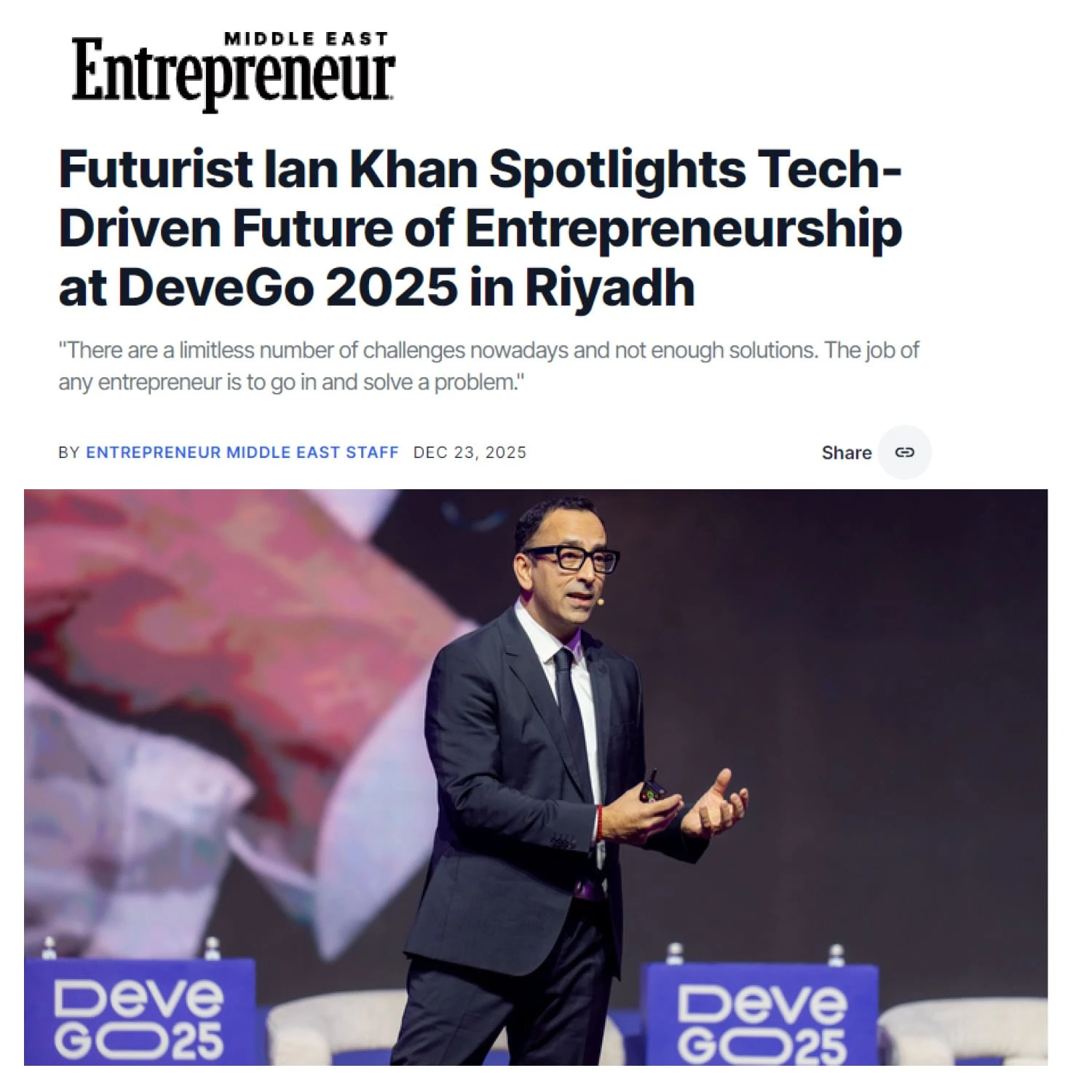
Ian’s Perspective: A Futurist’s Take on Sustainability
As a technology futurist, I believe that sustainability is the next frontier of digital transformation. It’s not merely about reducing carbon footprints; it’s about building resilient, adaptive organizations that thrive in a resource-constrained world. My perspective is rooted in the concept of Future Readiness™, which emphasizes agility and foresight. Companies that view sustainability as a strategic imperative will lead the next wave of innovation. For instance, the rise of AI-driven circular economies will enable real-time resource optimization, turning waste into value. However, we must avoid techno-solutionism—technology alone won’t solve sustainability challenges without cultural and behavioral shifts.
I predict that by 2030, sustainability metrics will be as critical as financial metrics in business evaluations. We’ll see the emergence of sustainability-as-a-service platforms, where AI and IoT provide actionable insights for ESG compliance. Yet, ethical considerations, such as data privacy in sustainability tracking, will require careful navigation.
Future Outlook: What’s Next in Sustainability and Tech
1-3 Years: Accelerated Integration and Regulation
In the near term, expect tighter ESG regulations and standardized reporting frameworks, such as the EU’s Corporate Sustainability Reporting Directive. Technologies like generative AI will streamline sustainability audits, while edge computing will enhance real-time environmental monitoring. Businesses will increasingly adopt digital twins to simulate and optimize sustainable operations, reducing trial-and-error costs.
5-10 Years: Transformative Shifts and Scientific Breakthroughs
Looking further ahead, sustainability will drive scientific innovations like bio-based manufacturing and quantum computing for climate modeling. We’ll witness the maturation of the circular economy, with products designed for disassembly and reuse. In energy, advancements in fusion power and perovskite solar cells could revolutionize clean energy access. By 2035, I anticipate that sustainable businesses will dominate market valuations, as investors prioritize long-term resilience over short-term gains.
Takeaways: Actionable Insights for Business Leaders
- Embed Sustainability in Core Strategy: Move beyond token gestures by integrating ESG goals into business planning and KPIs. Use tools like the Future Readiness Score to assess your organization’s alignment with sustainable trends.
- Leverage Technology for Transparency: Implement AI, IoT, and blockchain to monitor and report on sustainability metrics accurately, building trust with stakeholders.
- Foster a Culture of Innovation: Encourage cross-functional teams to explore sustainable solutions, from supply chain optimizations to green product designs.
- Collaborate for Scale: Partner with industry peers, NGOs, and governments to address systemic challenges, such as carbon neutrality and waste reduction.
- Invest in Future-Proof Skills: Upskill employees in sustainability management and emerging tech to build a workforce capable of driving long-term change.
Ian Khan is a globally recognized technology futurist, voted Top 25 Futurist and a Thinkers50 Future Readiness Award Finalist. He specializes in AI, digital transformation, and Future Readiness™, helping organizations navigate technological shifts.
For more information on Ian’s specialties, The Future Readiness Score, media work, and bookings please visit www.IanKhan.com