Opening: Context and Importance
As we stand on the precipice of a new era in consumer technology, the way we interact with images is undergoing a fundamental transformation. The rise of AI-driven algorithms has reshaped not only how we capture and share moments but also how we restore and enhance them. Among these breakthroughs, the OPERA net Otsu-driven performance-enhanced image restoration algorithm is gaining traction and significance in a world increasingly focused on digital content quality.
Current State: What’s Happening in This Space
The digital imaging landscape is fiercely competitive, with companies continuously innovating to meet consumer expectations for high-quality visuals. Recent advancements in machine learning and neural networks have propelled image restoration techniques, enabling users to recover lost details and improve image clarity from low-resolution sources. In 2023, we saw a significant uptick in demand for algorithms that leverage advanced techniques like Otsu’s thresholding for dynamic contrast enhancement. The OPERA net specifically stands out for its ability to optimize the restoration process in real-time, making it particularly appealing for content creators and social media users.
Analysis: Implications, Challenges, and Opportunities
At its core, the OPERA net Otsu algorithm employs a unique blend of image processing techniques, showing promise in areas ranging from photography to video creation. The algorithm’s performance enhancement capabilities allow for the extraction of finer details without compromising the integrity of the original image. This means that consumers can expect sharper images from their mobile devices, a trend that aligns with the growing influence of platforms like Instagram and TikTok, where visual appeal is paramount.
Challenges
However, with great innovation comes significant challenges. One of the primary hurdles for OPERA net adoption is the computational complexity associated with real-time processing. Consumers demand instantaneous results, and any delay in image enhancement could lead to frustration. Additionally, as algorithms become more sophisticated, concerns surrounding privacy and ethical use of AI-driven technologies are increasingly prevalent. There is a fine line between enhancing an image and manipulating it to misrepresent reality, and companies must tread lightly to maintain user trust.
Opportunities
Despite these challenges, the market potential is vast. Companies that can harness the capabilities of the OPERA net algorithm could carve out a significant competitive advantage. For instance, businesses in the e-commerce sector can leverage enhanced imagery to improve product listings, potentially leading to higher conversion rates. Additionally, industries such as real estate and travel can utilize these advancements to showcase properties and destinations with unprecedented clarity, attracting more consumers.
Ian’s Perspective: Unique Take and Predictions
From my vantage point as a technology futurist, the evolution of image restoration algorithms like OPERA net represents a pivotal moment in consumer tech. As users increasingly engage with visual content, the demand for high-quality imagery will only intensify. I predict that by 2025, we will witness a proliferation of imaging tools that not only enhance visuals but also integrate seamlessly into augmented reality (AR) and virtual reality (VR) experiences.
Moreover, as we move towards a more data-driven society, the role of consumer feedback in algorithm improvement will become imperative. Companies that actively involve their user base in the development process will likely see greater adoption and satisfaction. This participatory approach will redefine how tech firms develop and implement image restoration solutions.
Future Outlook: 1-3 Years and 5-10 Years
1-3 Years
In the next few years, we can expect to see a radical shift in how image restoration technologies are integrated into consumer devices. Smartphones and cameras will likely feature built-in OPERA net-based algorithms as standard, allowing users to achieve professional-quality restoration effortlessly. Additionally, collaborations between tech companies and social media platforms will likely yield innovative applications of these technologies.
5-10 Years
Looking further ahead, I foresee a landscape where image restoration algorithms are not just tools but integral components of our digital lives. We could see advancements in personal AI assistants capable of real-time image enhancement based on user preferences, creating a more personalized experience for content sharing. Moreover, ethical frameworks around AI usage will evolve, ensuring that technologies like OPERA net are used responsibly while maximizing their benefits.
Takeaways: Actionable Insights for Business Leaders
- Invest in Innovation: Embrace emerging technologies like OPERA net to enhance your product offerings and stay competitive.
- Focus on User Experience: Prioritize real-time processing capabilities to meet consumer expectations for instant results.
- Build Trust: Maintain transparency around AI usage and enhance ethical considerations to foster user confidence.
- Leverage Data: Utilize consumer feedback to refine algorithms and ensure they meet market needs effectively.
- Explore Collaboration: Partner with social media platforms to maximize the impact of image restoration technologies.
Conclusion
The OPERA net Otsu-driven performance-enhanced image restoration algorithm is not just a technological advancement; it represents a cultural shift in how we perceive and interact with images. By understanding and harnessing its capabilities, businesses and consumers alike stand to gain substantially in an increasingly visual-centric world.
About Ian Khan
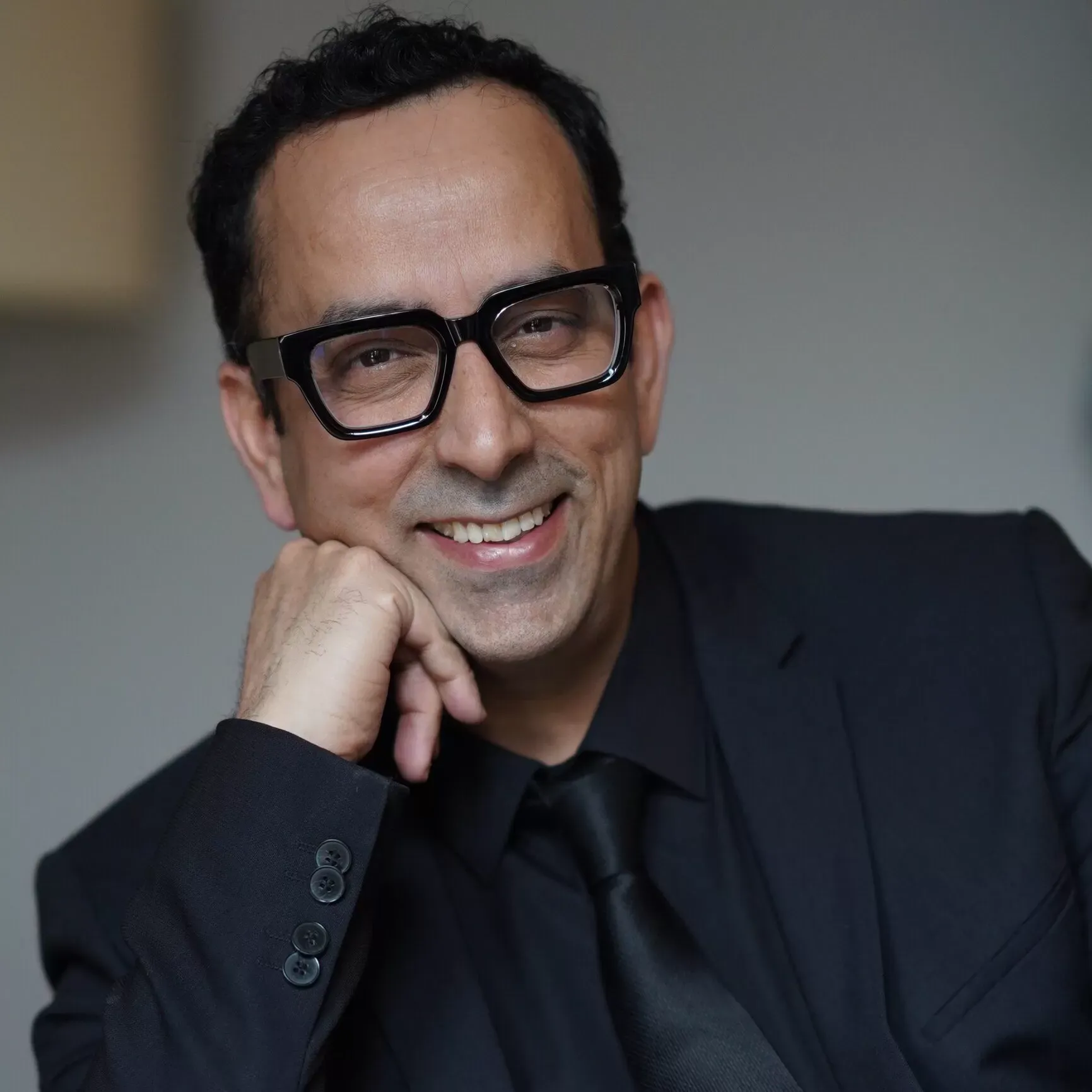
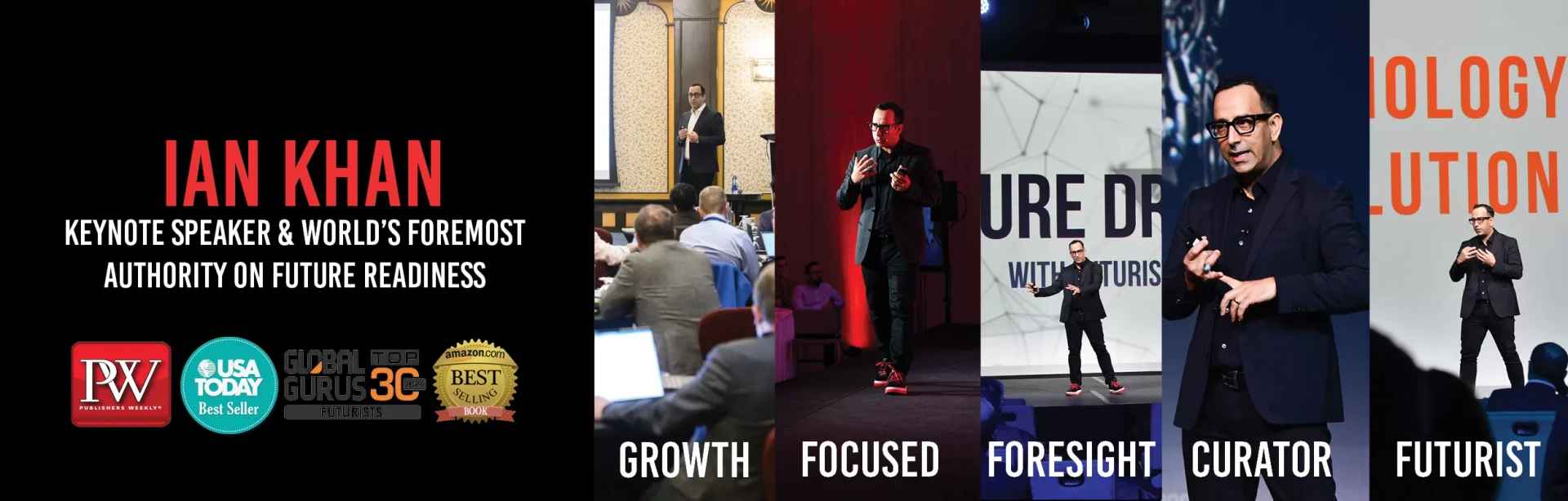
Ian Khan is a globally recognized technology futurist, voted Top 25 Futurist and Thinkers50 Future Readiness Award Finalist. He is a keynote speaker on AI, digital transformation, and future readiness.
For more information on Ian’s specialties, The Future Readiness Score, media work, and bookings please visit www.IanKhan.com