








Quantum Neural Networks: The Next Frontier in AI
In recent years, breakthroughs in quantum computing and artificial intelligence have led to the invention of Quantum Neural Networks (QNNs). This cutting-edge technology fuses the limitless potential of quantum physics with the machine learning capabilities of neural networks, promising unprecedented computational power and problem-solving abilities.
The Science Behind Quantum Neural Networks
Quantum computing operates on the principles of quantum mechanics, leveraging qubits (quantum bits) instead of classical bits. Unlike regular bits that offer binary states (0 or 1), qubits can exist in superposition—a state where they represent 0, 1, or both simultaneously. This gives quantum computers unparalleled processing power for complex calculations.
QNNs integrate this quantum power with neural networks, which are computational systems designed to mimic the human brain’s behavior in pattern recognition, decision-making, and learning. By combining these two technologies, QNNs can perform massively parallel computations, enhance algorithm efficiency, and explore datasets at speeds unattainable by classical systems.
Potential Applications Across Industries
The potential applications of Quantum Neural Networks are virtually limitless. Here are a few areas expected to see transformational impacts:
- Healthcare: Genome sequencing, drug discovery, and predictive diagnostics can benefit from QNNs by enabling faster, more accurate modeling of complex biological systems.
- Finance: Quantum-driven neural networks can optimize portfolio management, improve fraud detection accuracy, and simulate market conditions more effectively.
- Climate Science: QNNs can model climate change scenarios and predict natural disasters with unprecedented precision.
- Cybersecurity: Advanced encryption methods powered by quantum mechanics can revolutionize data protection.
- Artificial General Intelligence (AGI): QNNs might pave the way to develop AGI systems capable of near-human cognition and decision-making.
Market Implications
The global AI market, projected to exceed $900 billion by 2030, will inevitably incorporate quantum advancements as major players invest in quantum AI solutions. Companies such as Google, IBM, and Microsoft are already exploring QNN frameworks, creating opportunities for new startups focusing exclusively on quantum-enabled machine learning.
Additionally, education and infrastructure surrounding QNNs will require significant upgrades. This has created secondary opportunities in skilled job creation, academic research incentives, and hardware manufacturing tailored to quantum computing.
Timeline for Adoption
Quantum technology is still in its nascent stages, constrained by factors like qubit coherence and error rates. However, progress is accelerating year by year. Experts predict QNN use cases could emerge in niche markets by 2027, with widespread adoption occurring in healthcare, finance, and logistics by 2035.
Governments and private organizations must collaborate on ethical frameworks, infrastructure investments, and accessibility to ensure adoption is both responsible and scalable.
Conclusion
Quantum Neural Networks are reshaping our understanding of AI by merging the revolutionary principles of quantum mechanics with the computational might of neural networks. From solving humanity’s most pressing problems to fostering an entirely new wave of innovation, this technology has the potential to redefine our future.
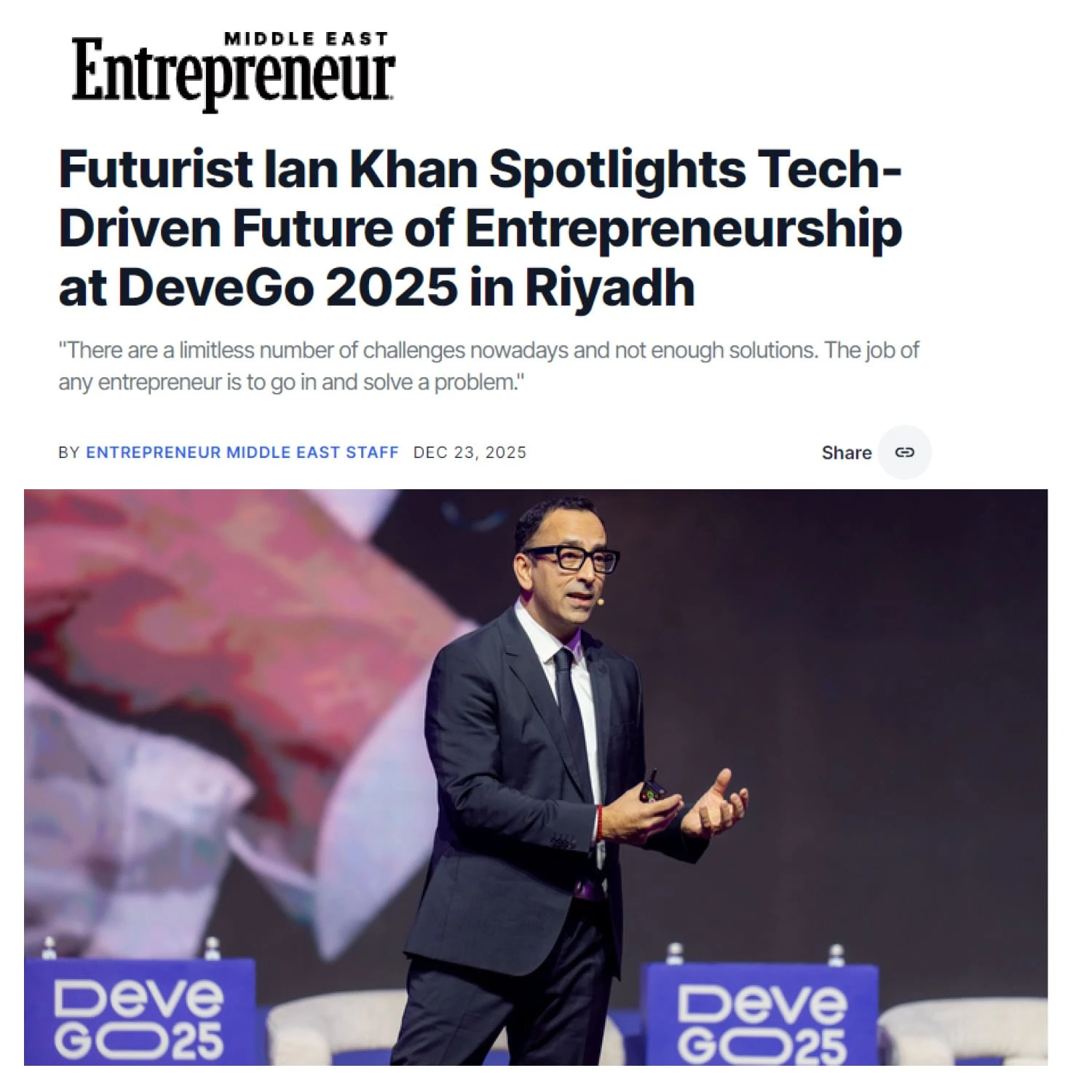
Stay ahead of the curve by following industry leaders like Ian Khan, your guide to understanding how groundbreaking technologies will shape tomorrow.