Latin America’s Digital Transformation: How Fintech, E-commerce and Smart Cities Are Reshaping the Region’s Future
Introduction
Latin America is undergoing a profound digital transformation, emerging as one of the world’s most dynamic technology markets. With a population of over 650 million people and rapidly increasing internet penetration, the region presents a massive opportunity for technological innovation and economic growth. While challenges like digital inequality and regulatory fragmentation persist, a wave of entrepreneurial energy, coupled with strategic government initiatives and significant international investment, is positioning Latin America as a key player in the global digital economy. This article explores the current technological landscape, identifies the key trends shaping the region’s future, and examines the opportunities for businesses and investors looking to engage with Latin America’s burgeoning tech ecosystem.
Regional Landscape
Latin America’s technology landscape is characterized by its diversity, with different countries exhibiting varying levels of maturity and focus. Brazil and Mexico, as the region’s largest economies, naturally dominate the tech scene, but countries like Colombia, Chile, and Argentina are also establishing themselves as significant innovation hubs. A young, digitally native population is a primary driver of this transformation. Over 70% of Latin Americans are now connected to the internet, with mobile penetration exceeding 80% in many urban centers. This connectivity boom is creating a fertile ground for digital services, particularly in areas where traditional industries have failed to meet consumer needs, such as banking and retail. The region’s unique challenges, including complex bureaucracy and significant informal economies, are paradoxically fueling a wave of disruptive innovation as startups build solutions tailored to local realities.
Key Trends
Fintech Revolution
Several powerful trends are converging to define Latin America’s technological trajectory. The most dominant is the rise of fintech. With nearly half the population remaining unbanked or underbanked, digital financial services are not just a convenience but a necessity. Neobanks, digital payment platforms, and alternative lending services are experiencing explosive growth, fundamentally changing how people save, spend, and access credit.
E-commerce and Digital Marketplaces
E-commerce and the digital marketplace represent another major trend. The pandemic served as a massive accelerator, pushing millions of new users online and forcing traditional retailers to embrace digital channels. This has created a robust ecosystem encompassing logistics, last-mile delivery, and digital marketing.
Smart Cities and Digital Infrastructure
A third critical trend is the development of smart cities and digital infrastructure. Megacities like São Paulo, Mexico City, and Bogotá are leveraging technology to tackle chronic issues like traffic congestion, public safety, and inefficient public services. Investments in 5G, fiber-optic networks, and IoT sensors are laying the groundwork for more connected and efficient urban environments.
Sustainability and Green Tech
Finally, a growing focus on sustainability and green tech is emerging. Given the region’s vast natural resources and vulnerability to climate change, technologies related to renewable energy, sustainable agriculture, and circular economies are gaining traction, supported by both private investment and public policy.
Leading Players
The Latin American tech scene is powered by a mix of homegrown unicorns, agile startups, and increasingly active global tech giants.
Fintech Leaders
In the fintech space, companies like Brazil’s Nubank and Mexico’s Clip have become household names. Nubank, now a publicly traded company, has grown to serve over 90 million customers, proving that a digital-first model can successfully challenge entrenched traditional banks.
E-commerce Titans
In the e-commerce and logistics sector, Mercado Libre stands as a regional titan. Originally an auction site, it has evolved into a comprehensive ecosystem including a marketplace, a payment system (Mercado Pago), and a logistics network (Mercado Envíos), directly competing with global players like Amazon.
Startup Ecosystem
The startup ecosystem is equally vibrant. Colombian delivery app Rappi has expanded across the continent, offering everything from groceries to cash withdrawals. Chilean “leapfrog” startups like NotCo, which uses AI to create plant-based food products, are demonstrating the region’s capacity for deep tech innovation.
Global Technology Companies
Global technology companies are also deepening their commitment. Google has opened a cloud region in Chile, Microsoft is investing in Mexican AI labs, and Amazon Web Services is expanding its infrastructure across the region to meet the soaring demand for cloud computing services.
Government Initiatives
Recognizing technology’s role in driving economic growth and social inclusion, governments across Latin America are launching ambitious digital initiatives.
National Strategies
Brazil’s Digital Transformation Strategy aims to modernize public administration, promote digital inclusion, and foster a favorable environment for innovation. Mexico’s National Digital Strategy focuses on expanding connectivity, developing digital skills, and promoting the digital economy.
Chile’s Innovation Leadership
Chile has been a regional pioneer with its “Chilecon Valley” strategy, actively attracting tech talent and investment through programs like Start-Up Chile, which provides equity-free funding to global entrepreneurs who base their operations in the country.
Smart City Programs
At the city level, smart city programs are gaining momentum. Curitiba, Brazil, long known for its innovative urban planning, is integrating IoT and data analytics into its public transportation and waste management systems. Mexico City is deploying a network of sensors and cameras to improve traffic flow and public safety. These government-led initiatives are crucial for creating the regulatory frameworks and digital public goods that enable the private sector to thrive.
Investment & Growth
Venture capital and private equity are flowing into Latin America at an unprecedented rate. In 2021, VC investment in the region surged to over $15 billion, a significant leap from previous years, with fintech and e-commerce attracting the lion’s share. SoftBank’s $5 billion Latin America Fund and Kaszek Ventures, a leading local VC firm, have been instrumental in fueling the growth of the region’s unicorns. This influx of capital is not only scaling businesses but also professionalizing the entire startup ecosystem, attracting global talent, and fostering a culture of serial entrepreneurship.
The growth projections are equally impressive. The Latin American e-commerce market is expected to surpass $160 billion by 2025. The fintech sector continues to expand, with over 2,500 startups operating across the region. The digital transformation of traditional industries like agriculture, mining, and manufacturing also represents a massive, untapped opportunity for technology providers specializing in IoT, AI, and automation.
Challenges & Opportunities
Key Challenges
Despite the impressive progress, Latin America faces significant hurdles. The digital divide remains stark, with rural and low-income populations often lacking reliable, affordable internet access. Regulatory complexity and differing rules between countries can stifle cross-border expansion for startups. Political and economic instability in some nations also creates an element of uncertainty for long-term investors.
Major Opportunities
However, these challenges are matched by immense opportunities. The very fact that large segments of the population are still entering the digital economy for the first time represents a greenfield opportunity. There is massive potential for EdTech to address educational gaps, HealthTech to improve access to quality healthcare, and AgTech to modernize the region’s critical agricultural sector. For global businesses, the opportunity lies in forming strategic partnerships with local players, adapting solutions to local contexts, and investing in the infrastructure that will underpin the next decade of growth.
Global Connections
Latin America’s tech evolution does not occur in a vacuum; it is deeply interconnected with global trends and capital flows. The region is a key battleground for global payment giants like Visa and Mastercard, who are partnering with local fintechs. It is also a major consumer of technology from the US, Europe, and Asia, and an increasingly important source of tech talent for the global market. The success of Latin American business models, particularly in fintech and on-demand services, is providing a blueprint for other emerging markets in Southeast Asia and Africa. As global supply chains reconfigure, Latin America also stands to benefit from nearshoring trends, particularly in Mexico, which could accelerate the adoption of Industry 4.0 technologies in manufacturing.
Conclusion
Over the next 5-10 years, Latin America is poised to solidify its position as a major global technology hub. The convergence of a young population, increasing connectivity, entrepreneurial dynamism, and strategic investment will continue to drive growth. The key to success for both local and international players will be a deep understanding of regional nuances and a commitment to building sustainable, inclusive business models. The concept of Future Readiness is paramount; organizations that proactively invest in digital literacy, agile regulation, and cross-border collaboration will be best positioned to thrive. Latin America’s digital transformation is not just an economic story; it is a societal shift that will redefine the region’s role in the world.
—
About Ian Khan
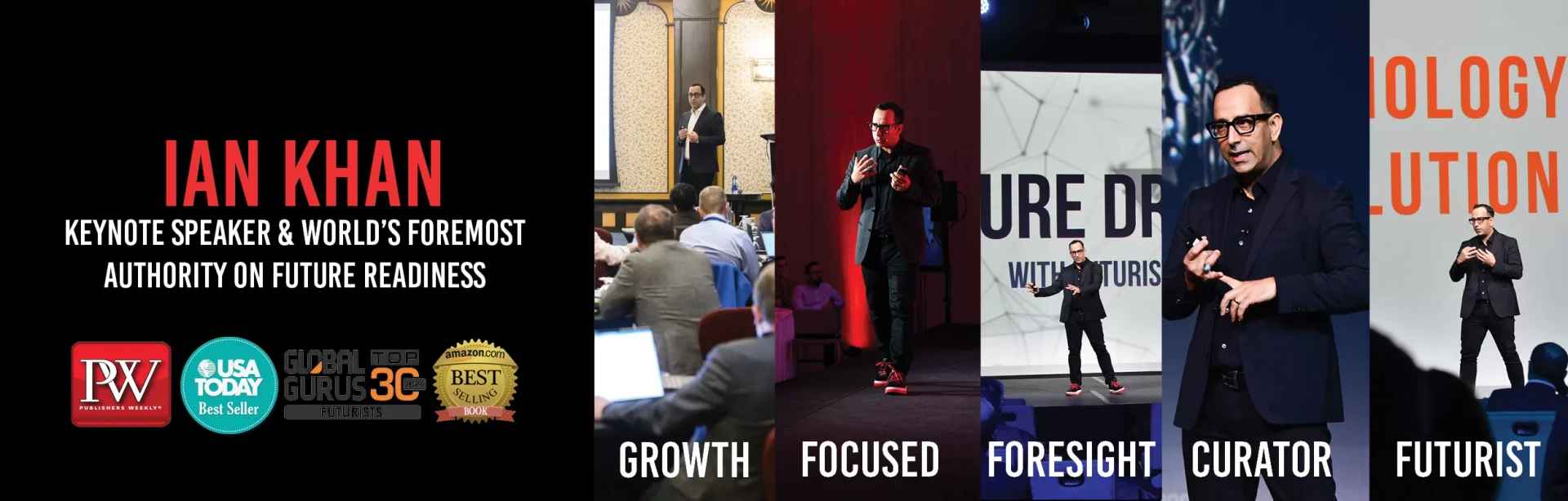
Ian Khan is a globally recognized futurist, bestselling author, and a leading expert on technology adoption and Future Readiness. His work focuses on helping organizations and governments understand the impact of technology and prepare for a future shaped by rapid innovation. As the creator of the acclaimed Amazon Prime series “The Futurist,” Ian has brought insights on AI, blockchain, and smart cities to a global audience, demystifying complex technologies and their real-world applications.
His thought leadership has been acknowledged worldwide, including his recognition on the prestigious Thinkers50 Radar list, which identifies the management thinkers most likely to shape the future of business. Ian’s expertise in digital transformation and global technology trends is backed by years of experience working with clients across North America, Europe, the Middle East, and Asia. He is the author of the bestselling book “Future Readiness,” which provides a practical framework for organizations to not only adapt to change but to lead it.
Is your organization prepared to capitalize on the technological shifts happening in Latin America and other key global regions? Ian Khan delivers powerful, insightful keynote speeches that illuminate regional tech trends and their global implications. He conducts tailored Future Readiness workshops to help your leadership team build a proactive strategy. For strategic consulting on global expansion, regional market entry, and positioning your organization for success in the next decade, contact Ian Khan today to explore how his expertise can guide your journey.