Here Is Why Nelson Mandela’s “I Am Prepared to Die” Was Revolutionary
Opening Summary
On April 20, 1964, Nelson Mandela delivered his powerful speech titled “I Am Prepared to Die” during the Rivonia Trial in South Africa. This moment marked a significant turning point in the struggle against apartheid, as Mandela articulated the injustices faced by black South Africans and his commitment to the fight for freedom. The speech is celebrated for its moral clarity and profound impact, making it a cornerstone of the anti-apartheid movement.
Historical Context
The early 1960s were a time of intense political and social turmoil in South Africa. The apartheid regime, which enforced racial segregation and discrimination, had been in place since 1948, systematically oppressing the black majority. The African National Congress (ANC), of which Mandela was a key leader, sought to dismantle this oppressive system through both peaceful protests and armed resistance.
Mandela’s arrest in 1962 and subsequent trial in 1963 were pivotal moments in the anti-apartheid struggle. The Rivonia Trial was a response to the ANC’s sabotage campaign against government installations, aimed at drawing international attention to the injustices of apartheid. Mandela’s speech during the trial was not only a defense of his actions but also a declaration of his commitment to the cause of freedom and equality.
The Speech Itself
In his speech, Mandela addressed the court with a mix of dignity and defiance. He began by outlining the reasons for his involvement in the struggle against apartheid, emphasizing the moral obligation to fight against oppression. His use of personal narrative and historical context provided a compelling backdrop for his arguments.
“I have fought against white domination, and I have fought against black domination. I have cherished the ideal of a democratic and free society in which all persons live together in harmony and with equal opportunities.”
Mandela’s eloquent rhetoric and powerful imagery resonated deeply with his audience, both in the courtroom and beyond. He articulated a vision of a future where all South Africans could coexist peacefully, regardless of race. His commitment to justice and equality was unwavering, and he made it clear that he was prepared to sacrifice his life for the cause.
The Impact
The immediate reaction to Mandela’s speech was one of admiration and respect, even from those who opposed him. His words captured the attention of the international community, drawing widespread condemnation of the apartheid regime. The speech became a rallying cry for activists both in South Africa and around the world, galvanizing support for the anti-apartheid movement.
In the short term, Mandela was sentenced to life imprisonment, but his speech had already ignited a fire within the movement. It inspired countless individuals to join the struggle against apartheid, leading to increased activism and international pressure on the South African government. Long-term, Mandela’s words became emblematic of the fight for freedom, ultimately contributing to the dismantling of apartheid in the early 1990s.
Legacy and Modern Relevance
Today, Nelson Mandela’s “I Am Prepared to Die” speech is studied in classrooms and commemorated in various forms of media. Its themes of justice, equality, and resilience continue to resonate in contemporary discussions about human rights and social justice. The speech serves as a reminder of the power of words to inspire change and the importance of standing up against oppression.
Mandela’s legacy lives on as a symbol of hope and perseverance. His commitment to reconciliation and equality has influenced movements for justice worldwide, encouraging new generations to advocate for change. The speech remains a powerful testament to the enduring struggle for freedom and the belief that one person’s voice can make a difference.
Conclusion
The significance of Nelson Mandela’s “I Am Prepared to Die” speech cannot be overstated. It was a transformative moment in the fight against apartheid, challenging societal norms and advocating for equality. Mandela’s words continue to inspire and motivate those who dare to dream of a more just world. His legacy serves as a powerful reminder of how words can ignite movements and change lives, illustrating the profound impact of courageous leadership and unwavering determination.
About Ian Khan
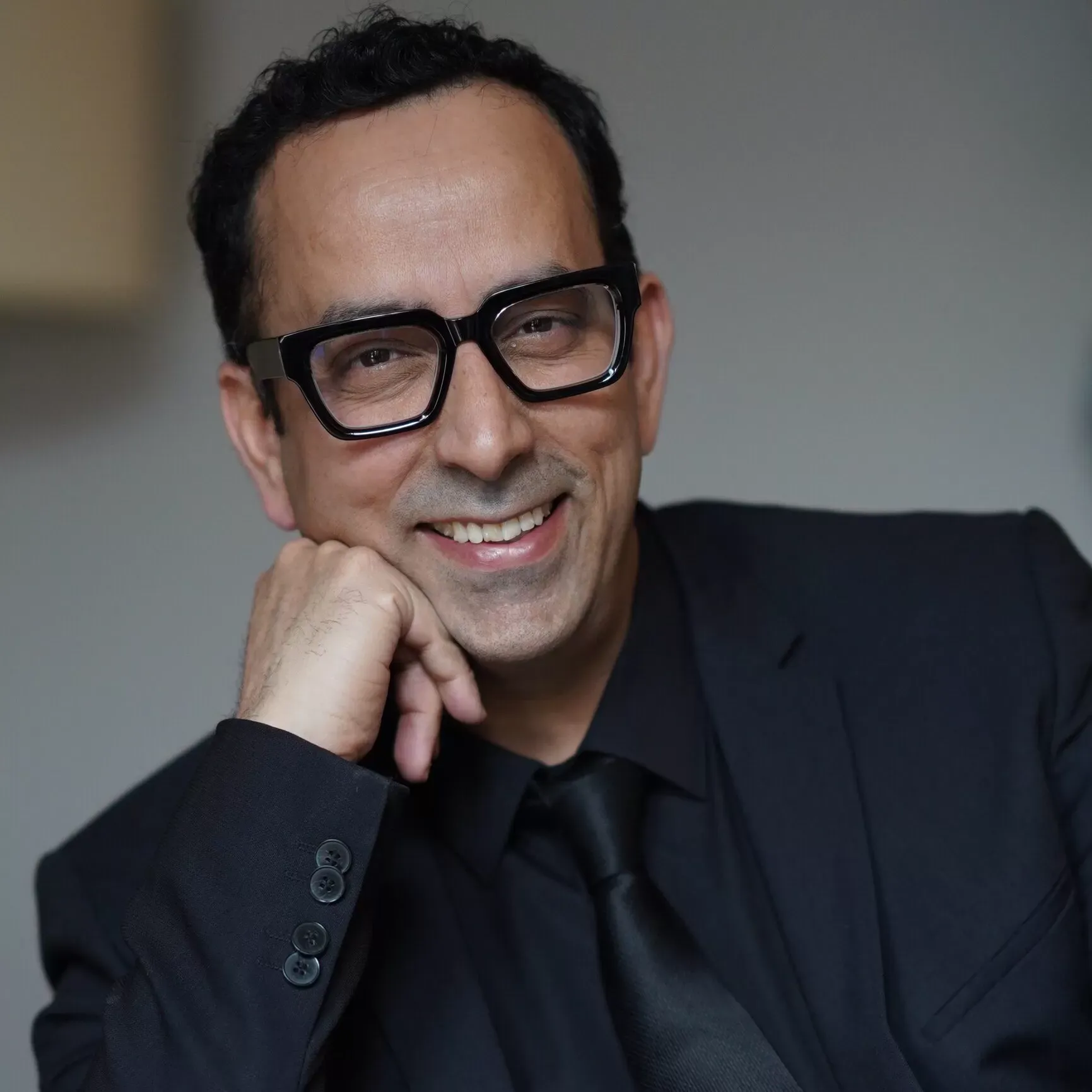
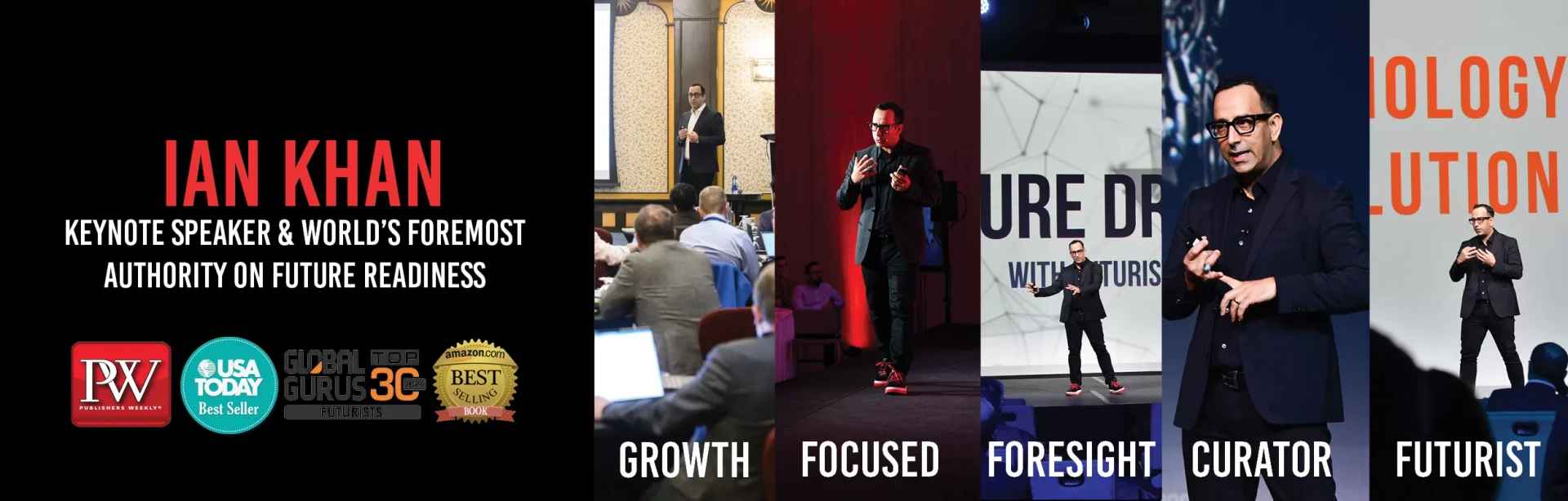
Ian Khan is a globally recognized futurist, technology keynote speaker, and 3x award-winning author whose work explores the intersection of emerging technology and human potential. As host of the documentary series “The Future of” and a Forbes contributor, Ian has helped Fortune 500 companies and government organizations navigate digital transformation. His insights on AI, blockchain, and future readiness have been featured in major publications worldwide.
Inspired by history’s greatest communicators? Contact Ian Khan at iankhan.com to bring powerful, transformative keynote speaking to your next event.