Here Is Why Nelson Mandela’s “I Am Prepared to Die” Was Revolutionary
On April 20, 1964, Nelson Mandela delivered his powerful speech titled “I Am Prepared to Die” during the Rivonia Trial in Pretoria, South Africa. This momentous address came at a time when Mandela and his fellow leaders of the African National Congress (ANC) were facing charges of sabotage against the apartheid government. Mandela’s words not only articulated the struggle against racial oppression but also highlighted his unwavering commitment to the fight for freedom and equality. His speech became a defining moment in the anti-apartheid movement, inspiring generations to stand up against injustice.
Historical Context
The early 1960s were a critical period in South Africa’s history, marked by the institutionalization of apartheid—a system of racial segregation and discrimination that oppressed the majority Black population. The ANC, founded in 1912, had been at the forefront of the struggle against apartheid, advocating for civil rights and equality. However, by the early 1960s, peaceful protests had often been met with violent repression, leading some leaders, including Mandela, to advocate for more radical approaches.
The Rivonia Trial was a pivotal moment in this struggle, as Mandela and other ANC leaders were arrested and charged with sabotage for their involvement in planning acts of resistance against the apartheid regime. The trial garnered international attention, and Mandela’s speech served as a platform to articulate the injustices faced by Black South Africans and the moral imperative to fight against oppression.
The Speech Itself
In his address, Mandela began by acknowledging the gravity of the situation, stating,
“I have cherished the ideal of a democratic and free society in which all persons live together in harmony and with equal opportunities.”
This powerful declaration set the tone for his speech, emphasizing his vision for a just society.
Mandela employed a range of rhetorical techniques, including personal anecdotes, historical references, and emotional appeals, to engage his audience and convey his message. He spoke of the sacrifices made by those who fought for freedom, stating,
“It is an ideal for which I hope to live for and to achieve. But if needs be, it is an ideal for which I am prepared to die.”
This poignant statement underscored his commitment to the cause and the lengths to which he was willing to go for justice.
His delivery was passionate and resolute, capturing the attention of both the courtroom and the international community. The speech concluded with a call for unity and perseverance, urging his fellow South Africans to continue the struggle for freedom and equality.
The Impact
The immediate reactions to Mandela’s speech were overwhelmingly positive, with supporters rallying around his vision. His bold assertions ignited enthusiasm within the ANC and beyond, leading to an increase in membership and participation in Black nationalist activities. However, the government responded swiftly, and in 1967, Mandela was convicted of sabotage—a move widely seen as politically motivated. He served time in prison and was subsequently released in 1990.
Despite these setbacks, Mandela’s influence did not wane. His ideas permeated the civil rights movements of the 1970s and 1980s, inspiring figures like Malcolm X and Martin Luther King Jr. His call for self-empowerment and unity echoed through various organizations, including the Nation of Islam and the Black Power movement, shaping the discourse on race and identity for decades.
Long-term, Mandela’s speech has become a symbol of resistance and resilience. It inspired countless individuals and movements around the world, reinforcing the idea that the fight for justice is a universal struggle. Mandela’s commitment to nonviolent resistance and reconciliation laid the groundwork for a peaceful transition to democracy in South Africa, culminating in his election as the country’s first Black president in 1994.
Legacy and Modern Relevance
Today, Nelson Mandela’s “I Am Prepared to Die” speech is regarded as a cornerstone of American rhetoric and a powerful testament to the fight for civil rights. Its themes of equality, justice, and hope resonate in contemporary discussions about race, social justice, and human rights. The speech serves as a reminder of the progress that has been made and the work that still lies ahead in the pursuit of equality for all.
Mandela’s legacy is evident in the ongoing movements advocating for racial justice, such as Black Lives Matter, which draw inspiration from his message of nonviolent resistance and the importance of collective action. His call for unity and understanding remains relevant as society grapples with issues of systemic racism and inequality.
Conclusion
Nelson Mandela’s “I Am Prepared to Die” speech stands as a powerful reminder of the impact that words can have in shaping society and inspiring change. It encapsulates the aspirations of a generation and the enduring quest for justice and equality. As we reflect on Mandela’s vision, we are called to continue the fight for a more just and equitable world, recognizing that the dream of equality is a collective responsibility that requires action from all of us.
About Ian Khan
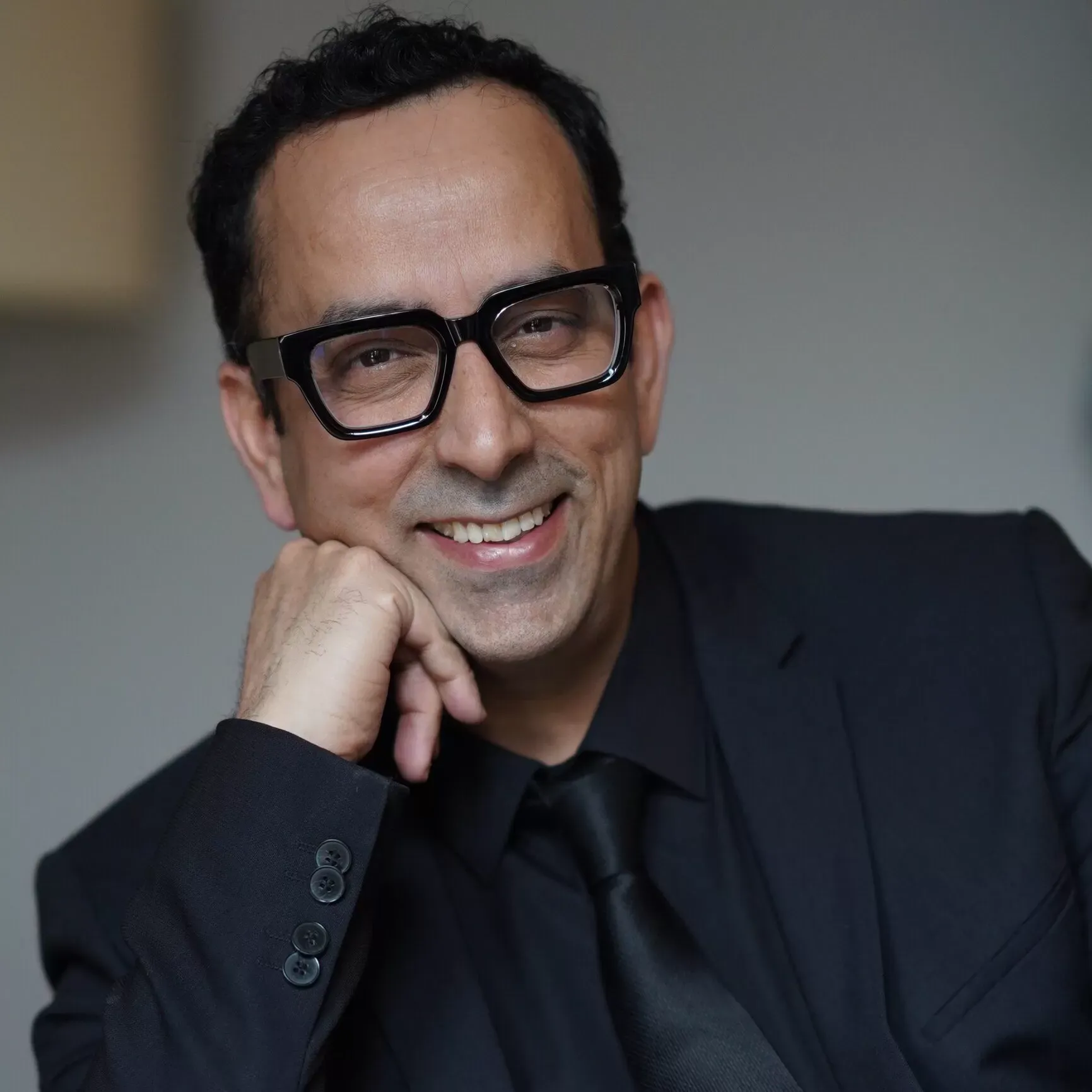
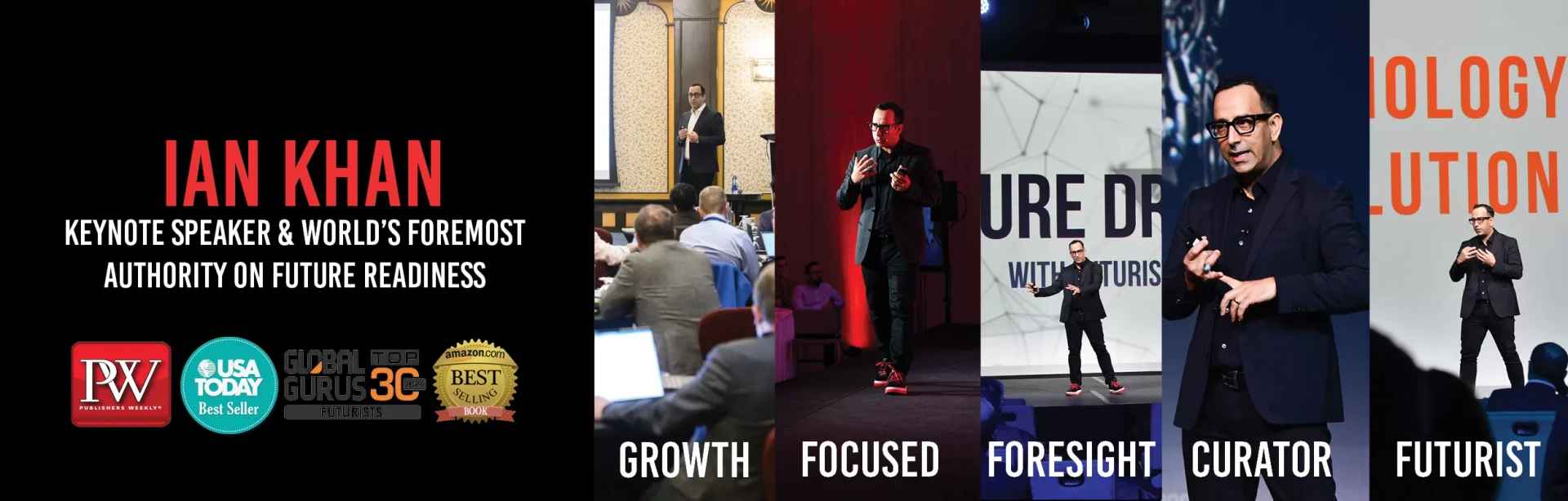
Ian Khan is a globally recognized futurist, technology keynote speaker, and 3x award-winning author whose work explores the intersection of emerging technology and human potential. As host of the documentary series “The Future of” and a Forbes contributor, Ian has helped Fortune 500 companies and government organizations navigate digital transformation. His insights on AI, blockchain, and future readiness have been featured in major publications worldwide.
Inspired by history’s greatest communicators?
Contact Ian Khan at iankhan.com to bring powerful, transformative keynote speaking to your next event.