Here Is Why Nelson Mandela’s “I Am Prepared to Die” Was Revolutionary
On April 20, 1964, Nelson Mandela delivered his powerful speech, “I Am Prepared to Die,” during the Rivonia Trial in South Africa. This address was not only a defense of his actions against apartheid but also a profound declaration of his commitment to the struggle for freedom and equality. Mandela’s words resonated deeply, capturing the essence of the fight against oppression and the sacrifices made for justice. This speech marked a pivotal moment in the anti-apartheid movement and solidified Mandela’s status as a global symbol of resistance and resilience.
To understand the significance of Mandela’s speech, we must consider the historical context of the early 1960s. South Africa was entrenched in a system of institutionalized racial segregation known as apartheid, which systematically oppressed the non-white population. The African National Congress (ANC), of which Mandela was a key leader, sought to dismantle this oppressive regime through both peaceful protests and armed resistance. By the time of the Rivonia Trial, Mandela and his comrades had been arrested for their involvement in sabotage against the apartheid government, and the stakes were extraordinarily high.
Mandela’s speech was delivered in a courtroom filled with tension, where he faced the possibility of life imprisonment or even death. His audience included not only the judges and prosecutors but also the world, as the trial garnered international attention. Mandela’s words needed to convey not just his defense but also the broader struggle for justice and human rights. The setting was charged with urgency, as the outcome of the trial would have far-reaching implications for the anti-apartheid movement.
In his speech, Mandela famously stated,
“I have cherished the ideal of a democratic and free society in which all persons live together in harmony and with equal opportunities.”
This line encapsulated his vision for South Africa, emphasizing the importance of equality and justice for all citizens, regardless of race.
The speech’s main message focused on the moral imperative to fight against oppression and the sacrifices required to achieve freedom. Mandela employed powerful rhetorical techniques, including personal anecdotes and appeals to justice and equality. His delivery was calm yet passionate, showcasing his unwavering commitment to the cause. The speech resonated deeply with audiences, both in South Africa and around the world, igniting a renewed sense of purpose in the struggle against apartheid.
The immediate reaction to Mandela’s speech was one of admiration and respect. His eloquence and conviction inspired many, both within South Africa and internationally, galvanizing support for the anti-apartheid movement. In the short term, the speech helped to raise awareness of the injustices faced by black South Africans and garnered sympathy for the ANC’s cause. It also solidified Mandela’s status as a leader committed to the fight for freedom, even in the face of severe consequences.
In the long term, Mandela’s speech has left a lasting impact on the global struggle for human rights. It became a symbol of resistance against oppression, inspiring movements for justice and equality worldwide. The principles articulated in his address continue to resonate in contemporary discussions about civil rights, social justice, and the fight against systemic racism. Mandela’s words serve as a reminder of the power of courage and conviction in the face of adversity.
The legacy of Mandela’s speech endures today, as it is studied and referenced in discussions about leadership, activism, and the importance of standing up for one’s beliefs. Its themes resonate strongly in contemporary society, reminding us of the ongoing struggle for justice and equality. Mandela’s commitment to freedom and his willingness to sacrifice for the greater good continue to inspire new generations of activists and leaders.
In conclusion, Nelson Mandela’s “I Am Prepared to Die” speech stands as a powerful testament to the impact of words in shaping history. It exemplifies how a message of hope and resilience can inspire individuals to come together for a common cause. As we reflect on Mandela’s legacy, we are reminded of the ongoing struggle for justice and the importance of believing in the potential for change.
—
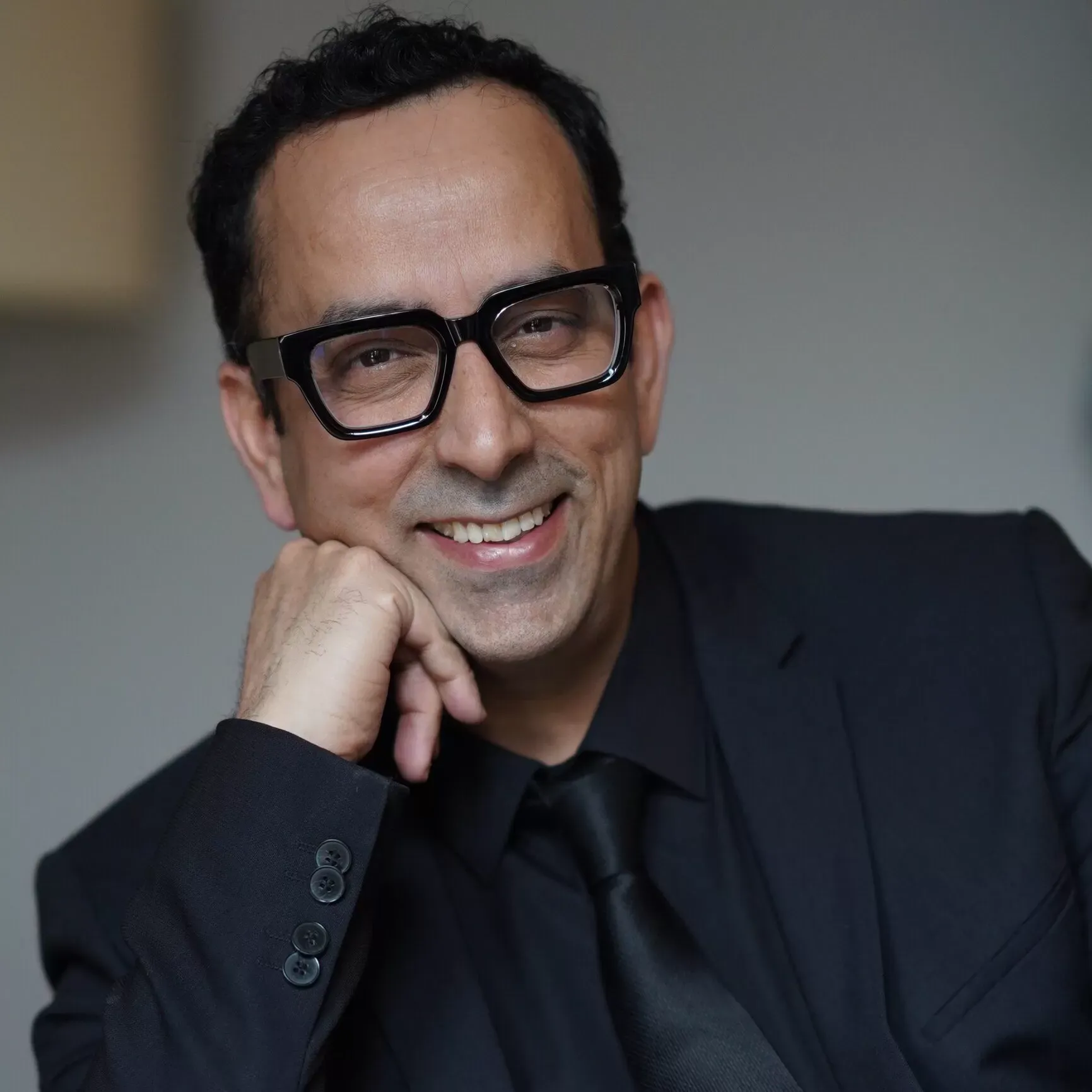
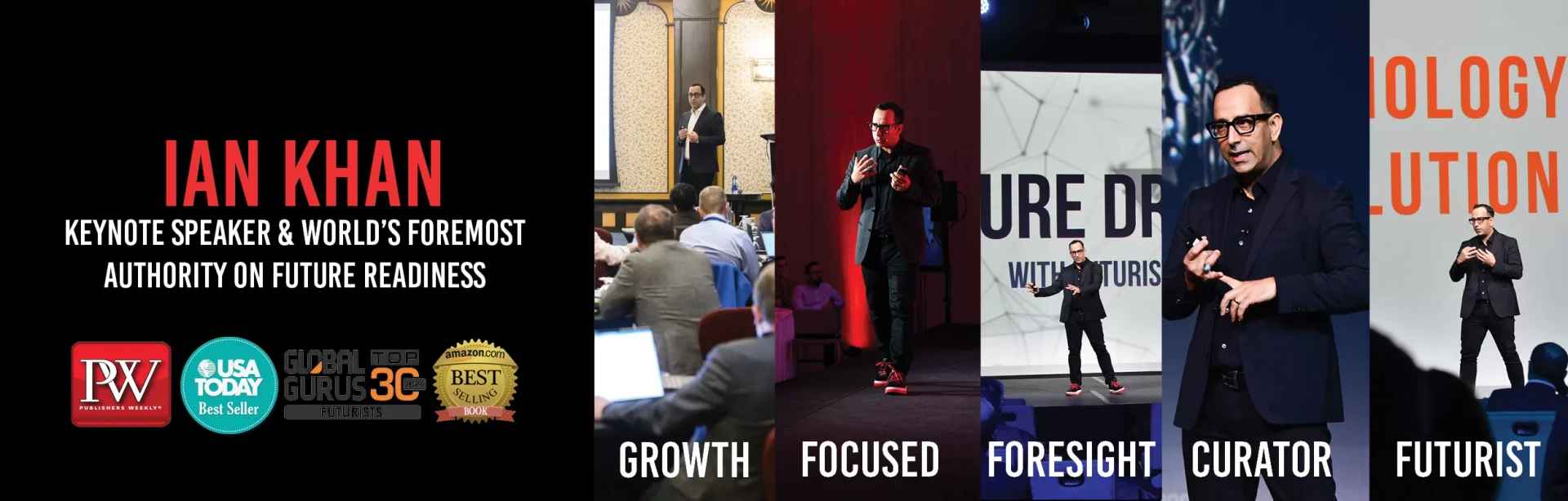
Ian Khan is a globally recognized futurist, technology keynote speaker, and 3x award-winning author whose work explores the intersection of emerging technology and human potential. As host of the documentary series “The Future of” and a Forbes contributor, Ian has helped Fortune 500 companies and government organizations navigate digital transformation. His insights on AI, blockchain, and future readiness have been featured in major publications worldwide.
Inspired by history’s greatest communicators?
Contact Ian Khan at iankhan.com to bring powerful, transformative keynote speaking to your next event.