Here Is Why Nelson Mandela’s “I Am Prepared to Die” Was Revolutionary
Nelson Mandela delivered his powerful speech titled “I Am Prepared to Die” on April 20, 1964, during the Rivonia Trial in Pretoria, South Africa. This momentous address came at a time when Mandela and his fellow leaders of the African National Congress (ANC) were facing charges of sabotage against the apartheid government. Mandela’s speech was not just a defense of his actions; it was a profound declaration of his commitment to the struggle for freedom and equality in South Africa. His words resonated deeply, capturing the essence of the anti-apartheid movement and inspiring countless individuals around the world.
Historical Context
The early 1960s were a tumultuous period in South Africa, marked by the institutionalization of apartheid—a system of racial segregation and discrimination that oppressed the majority black population. The ANC, founded in 1912, had been at the forefront of the struggle against apartheid, advocating for civil rights and equality. However, by the early 1960s, peaceful protests had often been met with violent repression, leading some leaders, including Mandela, to advocate for armed resistance.
The Rivonia Trial was a pivotal moment in this struggle. Mandela and other ANC leaders were arrested in 1961 for their involvement in sabotage against government installations. The trial drew international attention, highlighting the injustices of apartheid and the resilience of those fighting against it. Mandela’s speech during the trial was a critical moment, as he used the platform to articulate the broader struggle for freedom and justice, not just for South Africa but for oppressed people everywhere.
The Speech Itself
In his speech, Mandela stated,
“I have cherished the ideal of a democratic and free society in which all persons live together in harmony and with equal opportunities.”
This powerful declaration encapsulated his vision for a post-apartheid South Africa, where equality and justice would prevail. Mandela employed a range of rhetorical techniques, including personal anecdotes, historical references, and appeals to justice and morality, to convey his message.
His use of repetition, particularly in the phrase “I am prepared to die,” underscored his unwavering commitment to the cause. Mandela’s eloquence and passion captivated the courtroom, transforming a legal proceeding into a powerful statement of resistance. He articulated the sacrifices made by those fighting against apartheid, emphasizing that their struggle was not in vain and that freedom was worth any cost.
The Impact
The immediate impact of Mandela’s speech was profound. It galvanized support for the anti-apartheid movement both within South Africa and internationally. The speech was widely reported in the media, drawing attention to the injustices of apartheid and the courage of those who opposed it. Mandela’s words inspired many to join the struggle, leading to increased activism and solidarity among anti-apartheid groups worldwide.
In the short term, Mandela was sentenced to life imprisonment, but his speech became a rallying cry for the movement. It helped to humanize the struggle against apartheid, shifting public perception and garnering support from various sectors, including political leaders and activists around the globe. In the long term, Mandela’s commitment to justice and equality ultimately contributed to the dismantling of apartheid in the early 1990s, leading to his release from prison and his election as South Africa’s first black president in 1994.
Legacy and Modern Relevance
Today, Nelson Mandela’s “I Am Prepared to Die” speech is studied in classrooms and referenced in discussions about justice, equality, and human rights. It remains a powerful symbol of resistance against oppression and a testament to the strength of the human spirit. Mandela’s message continues to resonate in contemporary movements advocating for social justice, equality, and human rights around the world.
The themes of his speech—courage, sacrifice, and the pursuit of justice—are as relevant today as they were in 1964. Mandela’s legacy serves as a reminder that the fight for freedom and equality is ongoing and that individuals have the power to effect change through their actions and words.
Conclusion
Nelson Mandela’s “I Am Prepared to Die” speech stands as a testament to the power of words to inspire, mobilize, and transform society. It encapsulates the aspirations of a generation and the enduring quest for justice and equality. As we reflect on Mandela’s vision, we are reminded of our collective responsibility to continue the work of building a more equitable world. His courage and commitment to justice inspire us all to stand up against oppression and fight for a better future for all.
About Ian Khan
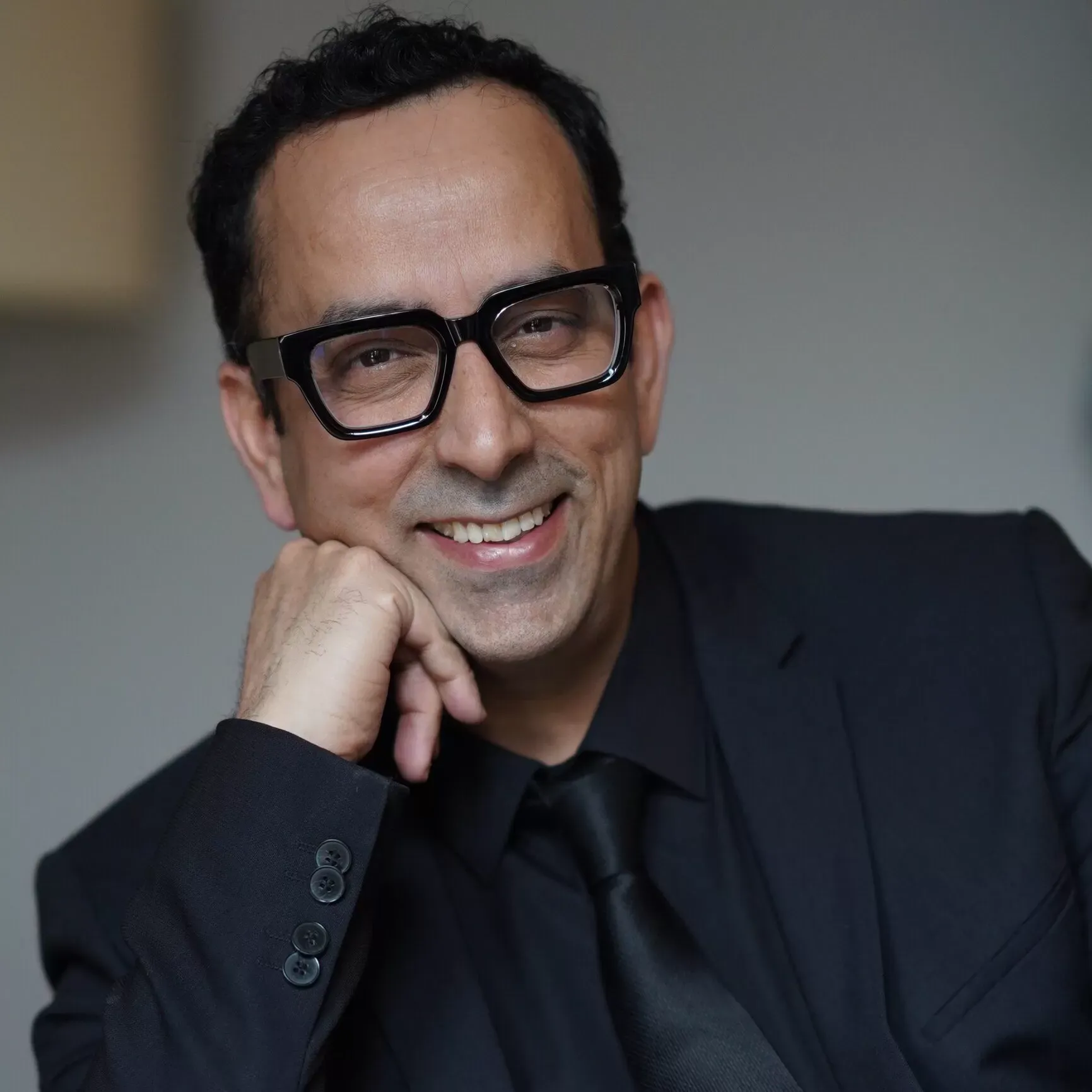
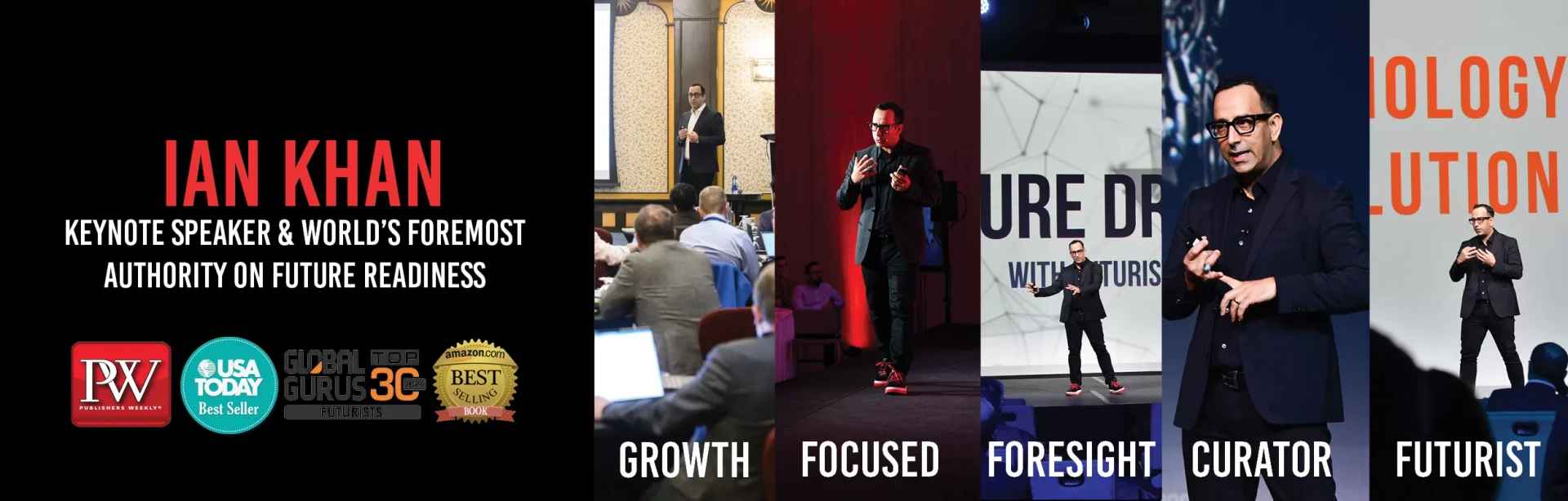
Ian Khan is a globally recognized futurist, technology keynote speaker, and 3x award-winning author whose work explores the intersection of emerging technology and human potential. As host of the documentary series “The Future of” and a Forbes contributor, Ian has helped Fortune 500 companies and government organizations navigate digital transformation. His insights on AI, blockchain, and future readiness have been featured in major publications worldwide.
Inspired by history’s greatest communicators?
Contact Ian Khan at iankhan.com to bring powerful, transformative keynote speaking to your next event.