Here Is Why Martin Luther King Jr.’s “I Have a Dream” Was Revolutionary
Opening Summary
On August 28, 1963, Martin Luther King Jr. delivered his iconic “I Have a Dream” speech during the March on Washington for Jobs and Freedom. This pivotal moment in American history took place at the Lincoln Memorial, where King addressed a crowd of over 250,000 people advocating for civil rights and economic equality. The speech is celebrated for its powerful message of hope and its call for racial justice, making it a cornerstone of the Civil Rights Movement. King’s eloquence and vision for a united America continue to resonate, inspiring generations to strive for equality and justice.
Historical Context
The early 1960s were marked by significant social upheaval in the United States, as the Civil Rights Movement gained momentum in the fight against racial segregation and discrimination. African Americans faced systemic injustices, including disenfranchisement, unequal access to education, and widespread violence. The assassination of civil rights leaders and the brutal treatment of peaceful protesters highlighted the urgent need for change.
The March on Washington was organized to demand jobs and freedom, addressing economic disparities and advocating for civil rights legislation. King, as a prominent leader of the movement, recognized that this moment required a powerful message to galvanize support and inspire action. The backdrop of the Lincoln Memorial, a symbol of freedom and equality, underscored the significance of his words.
The Speech Itself
King’s “I Have a Dream” speech is renowned for its profound impact and masterful rhetoric. He began by referencing the Emancipation Proclamation, emphasizing that 100 years later, African Americans were still not free. One of the most memorable lines from the speech is:
“I have a dream that one day this nation will rise up and live out the true meaning of its creed: ‘We hold these truths to be self-evident, that all men are created equal.'”
King’s use of repetition, particularly the phrase “I have a dream,” created a rhythmic and emotional appeal that resonated with listeners. He painted vivid images of a future where children would be judged by their character rather than the color of their skin, invoking a sense of hope and possibility.
His speech also employed powerful metaphors, likening the struggle for civil rights to a check that had come back marked “insufficient funds,” highlighting the unfulfilled promises of American democracy. King’s ability to connect personal experiences with broader societal issues made his message relatable and compelling.
The Impact
The immediate reaction to King’s speech was overwhelmingly positive, with many attendees expressing a renewed sense of hope and determination. The March on Washington itself was a watershed moment, bringing together diverse groups advocating for civil rights and economic justice. King’s words galvanized support for the movement, leading to increased public awareness and sympathy for the cause.
In the short term, the speech contributed to the passage of the Civil Rights Act of 1964 and the Voting Rights Act of 1965, landmark legislation that aimed to dismantle systemic racism and protect the rights of African Americans. King’s message of nonviolence and unity inspired countless activists and leaders, shaping the trajectory of the Civil Rights Movement.
Long-term, the “I Have a Dream” speech has become a symbol of the ongoing struggle for equality and justice. It is frequently cited in discussions about civil rights, social justice, and the power of peaceful protest. King’s vision continues to inspire movements advocating for racial equality, LGBTQ+ rights, and other social justice causes.
Legacy and Modern Relevance
Today, Martin Luther King Jr.’s “I Have a Dream” speech is studied in classrooms and commemorated in various forms of media. Its themes of justice, equality, and the power of dreams resonate in contemporary society, reminding us of the work that remains to achieve true equality.
The speech’s legacy is evident in the ongoing fight against systemic racism and inequality, as activists draw inspiration from King’s words to advocate for change. His message serves as a reminder that the struggle for justice is not confined to a specific era but is a continuous journey that requires collective effort and unwavering commitment.
Conclusion
The significance of Martin Luther King Jr.’s “I Have a Dream” speech extends far beyond its historical context. It stands as a powerful testament to the potential of words to inspire change and foster unity in the face of adversity. King’s call for empathy and understanding continues to resonate today, urging us to embrace our shared humanity and work towards a more just and equitable world. His speech encapsulates the transformative power of language, reminding us that through dialogue and compassion, we can overcome even the most daunting challenges.
About Ian Khan
—
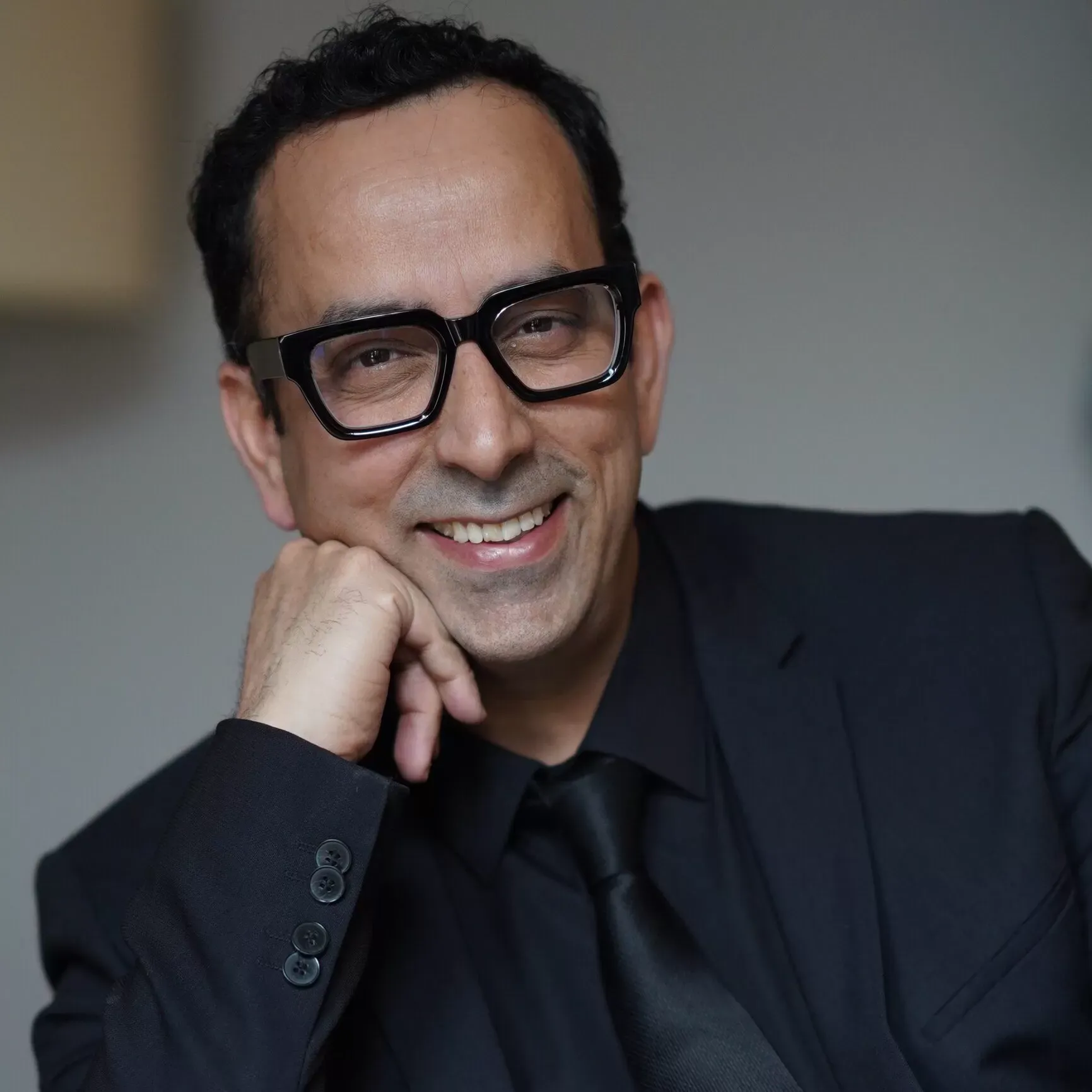
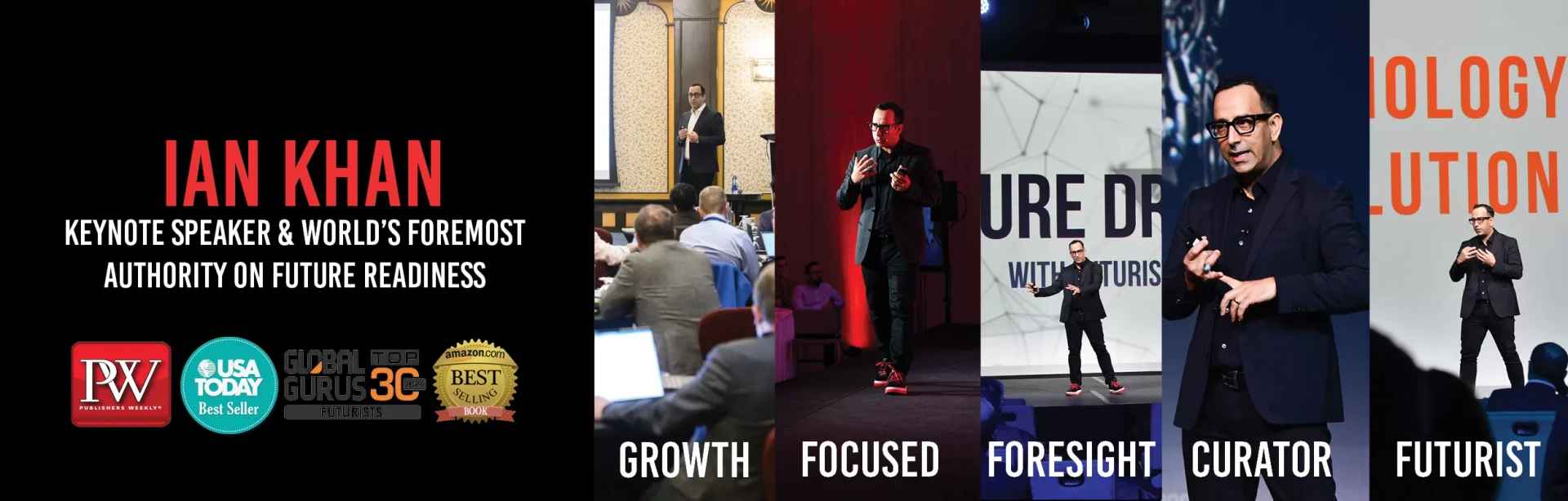
Ian Khan is a globally recognized futurist, technology keynote speaker, and 3x award-winning author whose work explores the intersection of emerging technology and human potential. As host of the documentary series “The Future of” and a Forbes contributor, Ian has helped Fortune 500 companies and government organizations navigate digital transformation. His insights on AI, blockchain, and future readiness have been featured in major publications worldwide.
Inspired by history’s greatest communicators?
Contact Ian Khan at iankhan.com to bring powerful, transformative keynote speaking to your next event.