Here Is Why Martin Luther King Jr.’s “I Have a Dream” Was Revolutionary
On August 28, 1963, Martin Luther King Jr. delivered his iconic speech titled “I Have a Dream” during the March on Washington for Jobs and Freedom. This historic event took place at the Lincoln Memorial in Washington, D.C., where over 250,000 people gathered to advocate for civil and economic rights for African Americans. King’s speech became a defining moment in the American civil rights movement, articulating the aspirations of millions and calling for an end to racism and inequality. His powerful words continue to resonate today, inspiring generations to strive for justice and equality.
Historical Context
The early 1960s were a tumultuous time in the United States, marked by widespread racial segregation and discrimination against African Americans. The civil rights movement was gaining momentum, with activists organizing protests, sit-ins, and boycotts to challenge systemic racism. The March on Washington was a pivotal moment in this struggle, bringing together diverse groups advocating for civil rights, economic justice, and an end to racial discrimination.
At the time, the nation was grappling with the legacy of slavery and the ongoing effects of Jim Crow laws, which enforced racial segregation in the South. The Civil Rights Act of 1964 and the Voting Rights Act of 1965 were still on the horizon, and many activists believed that direct action and powerful rhetoric were necessary to push for change. King’s speech was delivered in this charged atmosphere, aiming to unite the movement and galvanize support for civil rights legislation.
The Speech Itself
In his speech, King painted a vivid picture of his dream for a racially integrated and harmonious America. He began with the powerful assertion,
“I have a dream that one day this nation will rise up and live out the true meaning of its creed: ‘We hold these truths to be self-evident, that all men are created equal.’”
This line encapsulated the essence of his message, emphasizing the need for equality and justice.
King employed a range of rhetorical techniques, including repetition, metaphor, and vivid imagery, to engage his audience and convey his vision. The repeated phrase “I have a dream” served as a powerful refrain, reinforcing his message of hope and aspiration. He spoke not only of his own dreams but also of the dreams of countless individuals who had suffered under oppression, creating a sense of collective purpose.
His delivery was passionate and rhythmic, drawing on the traditions of African American preaching and oratory. The speech culminated in a call to action, urging listeners to continue the fight for civil rights and to never lose hope in the face of adversity.
The Impact
The immediate impact of King’s speech was profound. It captured national attention and became a rallying cry for the civil rights movement. The March on Washington, along with King’s address, helped to shift public opinion and increase support for civil rights legislation. The speech was widely covered in the media, reaching millions of Americans and inspiring many to join the movement.
In the short term, King’s speech contributed to the passage of the Civil Rights Act of 1964 and the Voting Rights Act of 1965, landmark legislation that aimed to dismantle segregation and protect the voting rights of African Americans. King’s eloquence and moral authority helped to elevate the civil rights movement to the national stage, making it impossible for lawmakers to ignore the demands for justice and equality.
In the long term, “I Have a Dream” has become one of the most quoted and referenced speeches in American history. It is studied in classrooms, celebrated in cultural events, and remains a symbol of the ongoing struggle for civil rights. King’s vision of a just and equitable society continues to inspire activists and leaders around the world.
Legacy and Modern Relevance
Today, Martin Luther King Jr.’s “I Have a Dream” speech is regarded as a cornerstone of American rhetoric and a powerful testament to the fight for civil rights. Its themes of equality, justice, and hope resonate in contemporary discussions about race, social justice, and human rights. The speech serves as a reminder of the progress that has been made and the work that still lies ahead in the pursuit of equality for all.
King’s legacy is evident in the ongoing movements advocating for racial justice, such as Black Lives Matter, which draw inspiration from his message of nonviolent resistance and the importance of collective action. His call for unity and understanding remains relevant as society grapples with issues of systemic racism and inequality.
Conclusion
Martin Luther King Jr.’s “I Have a Dream” speech stands as a powerful reminder of the impact that words can have in shaping society and inspiring change. It encapsulates the aspirations of a generation and the enduring quest for justice and equality. As we reflect on King’s vision, we are called to continue the fight for a more just and equitable world, recognizing that the dream of equality is a collective responsibility that requires action from all of us.
About Ian Khan
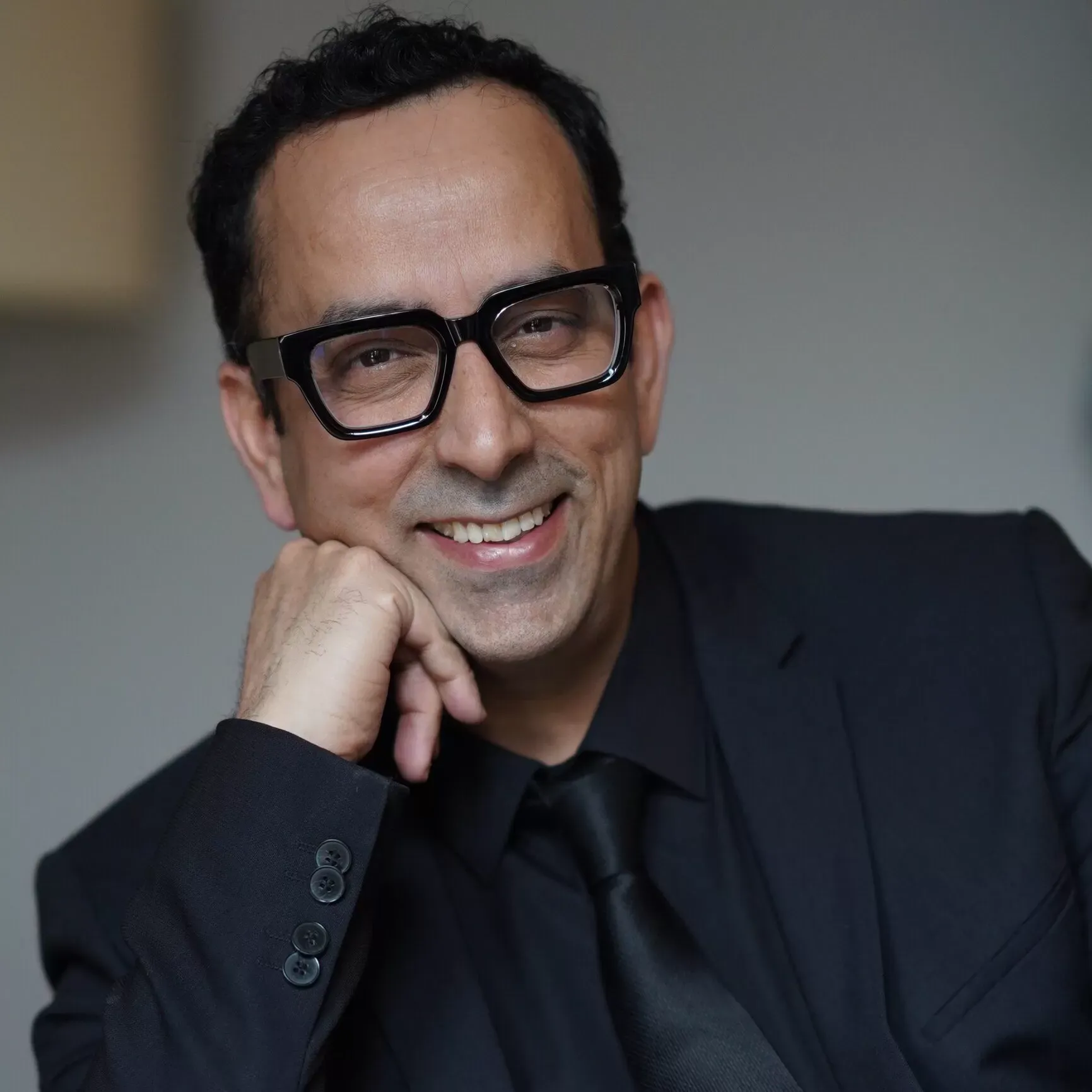
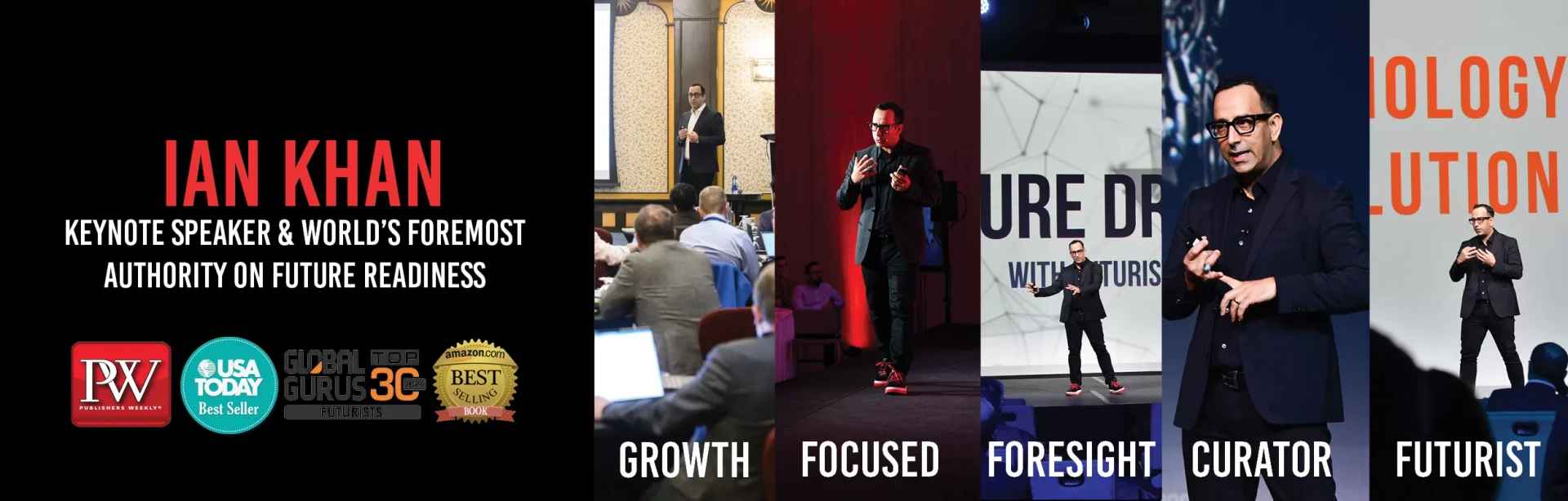
Ian Khan is a globally recognized futurist, technology keynote speaker, and 3x award-winning author whose work explores the intersection of emerging technology and human potential. As host of the documentary series “The Future of” and a Forbes contributor, Ian has helped Fortune 500 companies and government organizations navigate digital transformation. His insights on AI, blockchain, and future readiness have been featured in major publications worldwide.
Inspired by history’s greatest communicators?
Contact Ian Khan at iankhan.com to bring powerful, transformative keynote speaking to your next event.