Here Is Why Martin Luther King Jr.’s “I Have a Dream” Was Revolutionary
Martin Luther King Jr. delivered his iconic “I Have a Dream” speech on August 28, 1963, during the March on Washington for Jobs and Freedom. This pivotal moment in American history took place at the Lincoln Memorial, where King addressed a crowd of over 250,000 people advocating for civil rights and economic equality. The speech is celebrated not only for its powerful rhetoric but also for its profound impact on the civil rights movement and American society as a whole.
To understand the significance of King’s speech, we must consider the historical context of the early 1960s. The United States was grappling with deep-seated racial segregation and discrimination, particularly in the South. The Civil Rights Movement was gaining momentum, fueled by grassroots activism and the tireless efforts of leaders like King. The March on Washington was organized to demand comprehensive civil rights legislation, fair employment practices, and an end to racial injustice. King’s speech emerged as a clarion call for equality, justice, and unity in the face of adversity.
In his speech, King employed a range of rhetorical techniques that captivated his audience and conveyed his message with clarity and passion. One of the most memorable aspects of the speech is its use of repetition, particularly the phrase “I have a dream.” This refrain not only emphasizes King’s vision for a racially integrated and harmonious America but also creates a rhythmic cadence that resonates with listeners. Key quotes from the speech, such as “Let freedom ring” and “Injustice anywhere is a threat to justice everywhere,” encapsulate the urgency and moral imperative of the civil rights struggle.
The immediate reaction to King’s speech was overwhelmingly positive. Attendees and media outlets praised his eloquence and the powerful imagery he conjured. The speech galvanized support for the civil rights movement, inspiring activists and ordinary citizens alike to join the fight for equality. In the short term, it contributed to the passage of the Civil Rights Act of 1964 and the Voting Rights Act of 1965, landmark legislation that aimed to dismantle systemic racism and protect the rights of African Americans.
In the long term, King’s speech has left an indelible mark on American culture and politics. It is studied in classrooms, referenced in political discourse, and celebrated in various forms of media. The speech’s legacy extends beyond the civil rights movement; it has become a symbol of the ongoing struggle for justice and equality for marginalized communities. King’s vision of a society where individuals are judged by the content of their character rather than the color of their skin continues to resonate today, inspiring movements for social justice and human rights around the world.
The relevance of King’s speech remains profound in contemporary society. As issues of racial inequality, social justice, and civil rights persist, the lessons from the “I Have a Dream” speech serve as a guiding light for activists and advocates. King’s call for unity, compassion, and nonviolent resistance is a reminder that the fight for justice is ongoing and requires collective action.
In conclusion, Martin Luther King Jr.’s “I Have a Dream” speech stands as a powerful testament to the impact of words in shaping history. It exemplifies the ability of a single voice to inspire change and mobilize a movement. As we reflect on King’s legacy, we are reminded of the importance of speaking out against injustice and striving for a world where equality and freedom prevail for all.
—
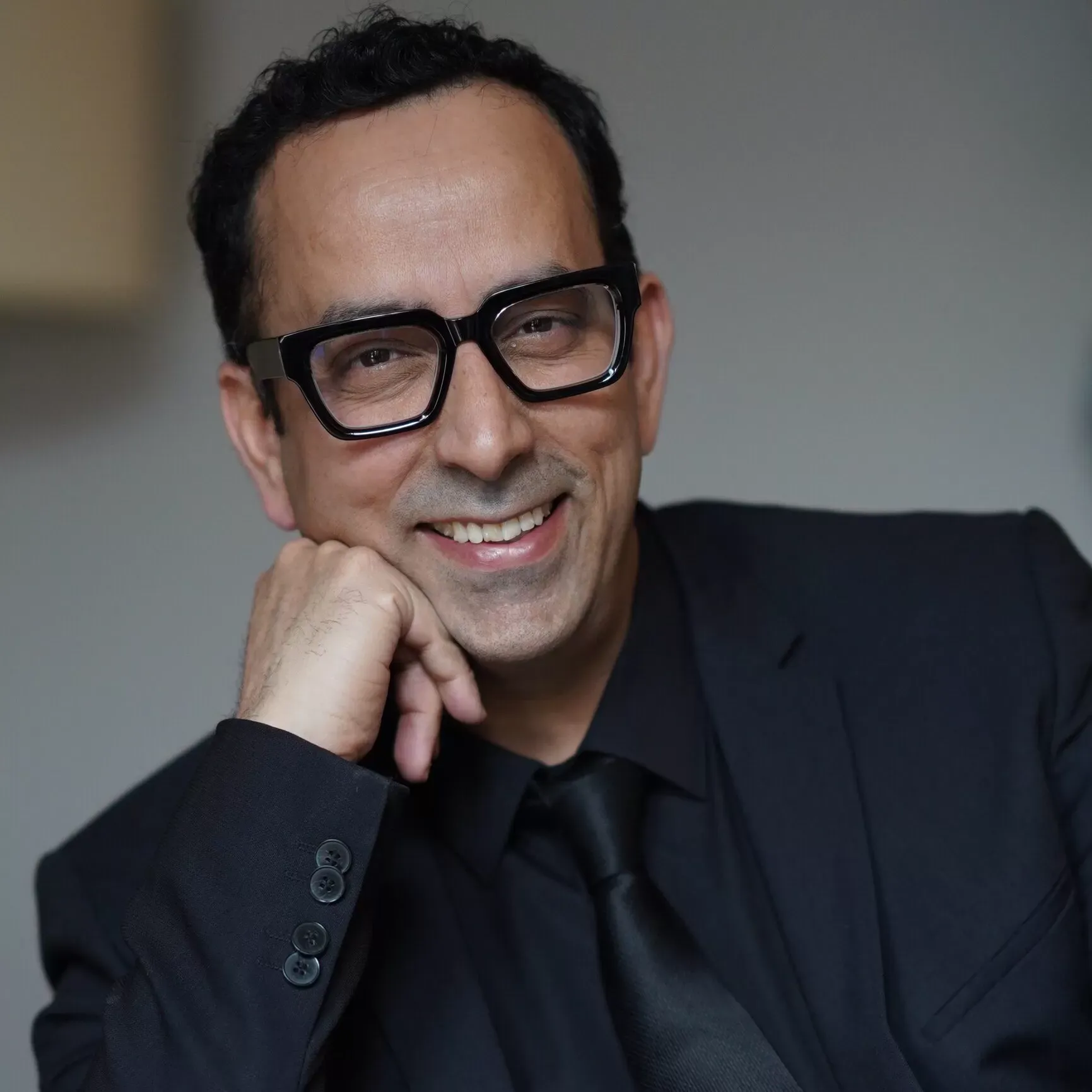
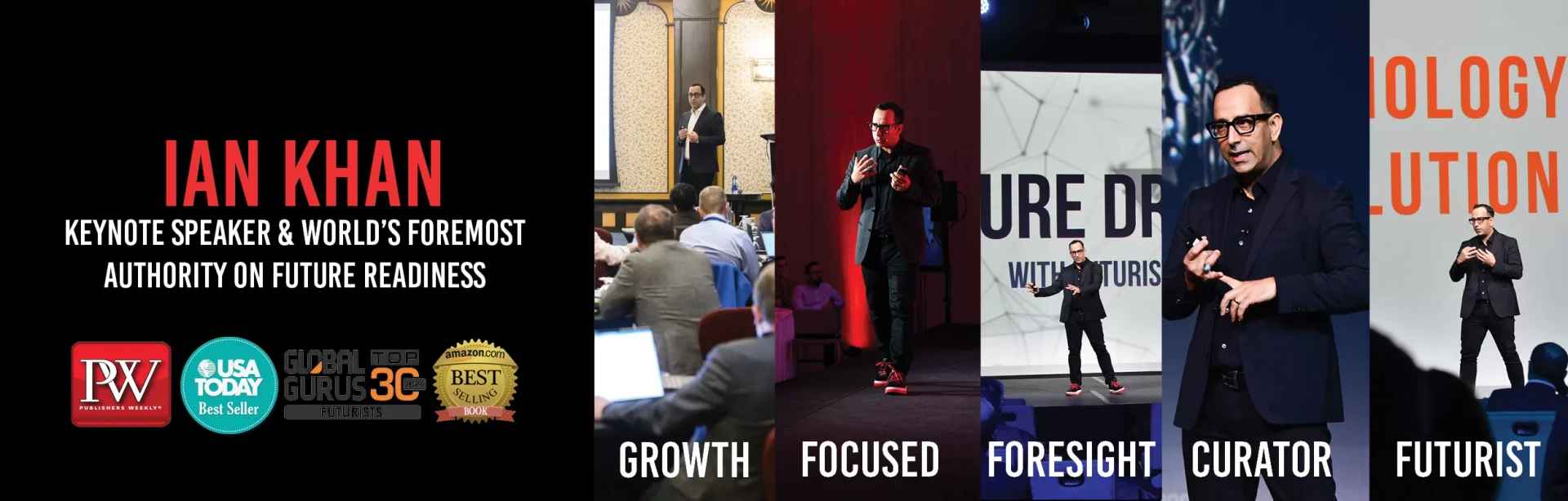
Ian Khan is a globally recognized futurist, technology keynote speaker, and 3x award-winning author whose work explores the intersection of emerging technology and human potential. As host of the documentary series “The Future of” and a Forbes contributor, Ian has helped Fortune 500 companies and government organizations navigate digital transformation. His insights on AI, blockchain, and future readiness have been featured in major publications worldwide.
Inspired by history’s greatest communicators?
Contact Ian Khan at iankhan.com to bring powerful, transformative keynote speaking to your next event.