Here Is Why Malala Yousafzai’s “Speech at the United Nations” Was Revolutionary
Opening Summary
On July 12, 2013, Malala Yousafzai delivered a powerful speech at the United Nations Youth Assembly in New York City, on her 16th birthday. This momentous occasion, often referred to as “Malala Day,” marked her first public address since surviving an assassination attempt by the Taliban for advocating for girls’ education in Pakistan. Her speech is celebrated for its passionate plea for education and equality, resonating with millions around the world and inspiring a global movement for educational rights. Malala’s words not only highlighted the importance of education but also underscored the resilience of the human spirit in the face of adversity.
Historical Context
The early 2010s were a time of significant upheaval in Pakistan, particularly in the Khyber Pakhtunkhwa province, where Malala lived. The Taliban’s influence was growing, and girls’ education was under severe threat. Many schools were attacked, and girls were often denied the right to attend school. Malala, a young activist, had been vocal about the importance of education for girls, becoming a target for extremist groups.
Her assassination attempt in October 2012 shocked the world and brought attention to the plight of girls seeking education in conflict zones. The international community rallied around her cause, and her recovery became a symbol of hope and resilience. The United Nations recognized the need for urgent action to address educational disparities, making Malala’s speech at the UN a pivotal moment in the global fight for education.
The Speech Itself
In her speech, Malala spoke with clarity and conviction, emphasizing the transformative power of education. One of her most memorable lines was:
“One child, one teacher, one pen, and one book can change the world.”
This statement encapsulated her belief in the potential of education to empower individuals and communities.
Malala employed rhetorical techniques such as repetition and personal anecdotes to engage her audience. She shared her own experiences, recounting how her father, an educator, inspired her to pursue her dreams despite the dangers. Her passionate delivery and unwavering commitment to her cause resonated deeply with listeners, both in the assembly and around the globe.
She also addressed the broader context of violence and discrimination, stating,
“We realize the importance of our voices only when we are silenced.”
This powerful message underscored the urgency of advocating for education and equality, particularly for girls in marginalized communities.
The Impact
The immediate reaction to Malala’s speech was overwhelmingly positive, with many praising her courage and eloquence. Her words sparked a global conversation about the right to education, particularly for girls in conflict zones. The speech was widely covered by the media, amplifying its reach and impact.
In the short term, Malala’s address helped to galvanize support for educational initiatives worldwide. The UN declared July 12 as Malala Day, promoting awareness of the importance of education for all children. Her advocacy led to increased funding for educational programs and initiatives aimed at empowering girls.
Long-term, Malala’s speech has become a defining moment in the global fight for education. It inspired countless individuals and organizations to take action, leading to the establishment of the Malala Fund, which advocates for girls’ education and invests in education projects around the world. Her message continues to resonate, reminding us of the importance of education as a fundamental human right.
Legacy and Modern Relevance
Today, Malala Yousafzai’s speech at the United Nations is studied in classrooms and commemorated in various forms of media. Its themes of courage, resilience, and the power of education resonate in contemporary society, reminding us of the ongoing struggle for educational equity.
The legacy of Malala’s speech is evident in the continued fight for girls’ education and empowerment. Activists and leaders around the world draw inspiration from her words, advocating for policies that promote access to education for all children, regardless of their circumstances.
Conclusion
The significance of Malala Yousafzai’s speech at the United Nations extends far beyond its historical context. It serves as a powerful reminder of the potential for words to inspire change and foster unity in the face of adversity. Malala’s call for education and equality resonates with leaders and citizens today, reinforcing the notion that each of us has a role to play in shaping a better future. Her speech encapsulates the transformative power of language, urging us to embrace our shared humanity and work towards a more just and equitable world.
About Ian Khan
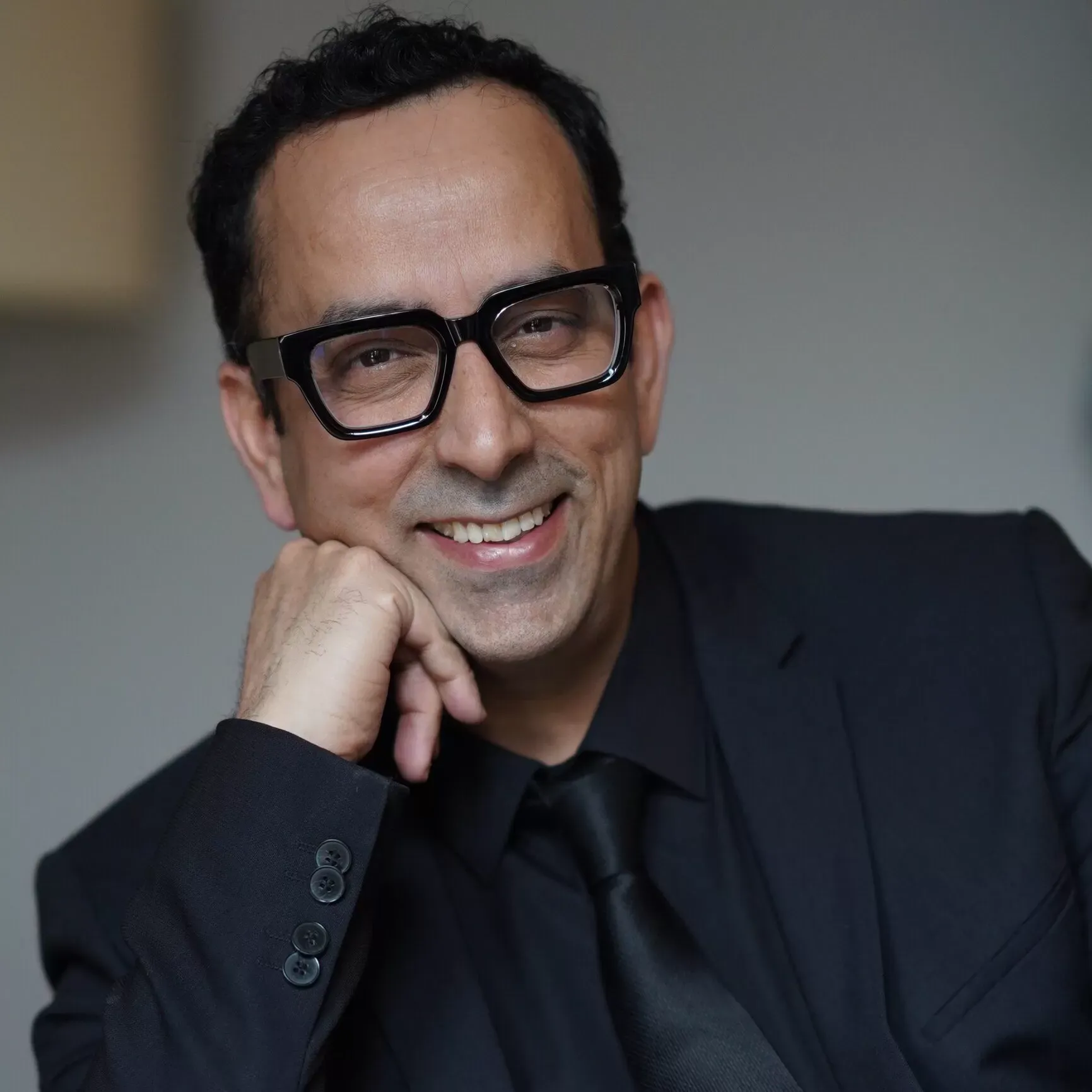
Ian Khan is a globally recognized futurist, technology keynote speaker, and 3x award-winning author whose work explores the intersection of emerging technology and human potential. As host of the documentary series “The Future of” and a Forbes contributor, Ian has helped Fortune 500 companies and government organizations navigate digital transformation. His insights on AI, blockchain, and future readiness have been featured in major publications worldwide.
Inspired by history’s greatest communicators?
Contact Ian Khan at iankhan.com to bring powerful, transformative keynote speaking to your next event.