Here Is Why Malala Yousafzai’s “Speech at the UN” Was Revolutionary
On July 12, 2013, Malala Yousafzai delivered a powerful speech at the United Nations Youth Assembly in New York City, marking her 16th birthday. This momentous occasion was not only a celebration of her resilience after surviving an assassination attempt by the Taliban but also a clarion call for global education and women’s rights. Malala’s words resonated around the world, emphasizing the importance of education as a fundamental human right and the need to empower young girls everywhere. Her speech remains a pivotal moment in the fight for education and gender equality, inspiring millions to advocate for change.
Historical Context
The early 2010s were marked by significant challenges in the realm of education, particularly for girls in regions affected by conflict and extremism. In Pakistan, where Malala grew up, the Taliban had imposed strict regulations that prohibited girls from attending school. This oppressive environment fueled Malala’s activism, as she began speaking out for the right to education at a young age. Her advocacy gained international attention, but it also made her a target for those who opposed her views.
On October 9, 2012, Malala was shot in the head by a Taliban gunman while riding a bus home from school. Miraculously, she survived and was flown to the UK for treatment. Her recovery and subsequent return to activism culminated in her speech at the UN, where she addressed world leaders and called for immediate action to ensure that every child has the right to education.
The Speech Itself
In her speech, Malala spoke with remarkable poise and conviction, stating:
“One child, one teacher, one pen, and one book can change the world. Education is the only solution. Education is the only solution.”
This powerful message underscored her belief in the transformative power of education. Malala’s use of repetition and personal anecdotes effectively conveyed her passion and urgency, as she shared her own experiences and the stories of other girls who had been denied an education.
Throughout her address, she emphasized the importance of education not just for girls, but for all children, regardless of their background. Her rhetorical techniques, including emotional appeals and vivid imagery, painted a picture of a world where education could break the cycle of poverty and oppression.
The Impact
The immediate impact of Malala’s speech was profound. It garnered widespread media coverage and sparked global conversations about the right to education. Her words resonated with individuals and organizations around the world, leading to increased support for educational initiatives and advocacy for girls’ rights.
In the short term, Malala’s speech contributed to the establishment of the Malala Fund, an organization dedicated to ensuring that girls around the world have access to 12 years of free, quality education. Her advocacy also influenced international policies, prompting governments and institutions to prioritize education in their agendas.
Long-term, Malala’s speech has become a symbol of the fight for education and gender equality. It inspired countless individuals to take action, from grassroots movements to high-level policy discussions. Her message continues to resonate, reminding us that education is a fundamental human right that must be protected and promoted.
Legacy and Modern Relevance
Today, Malala Yousafzai’s “Speech at the UN” is studied in classrooms and commemorated in various forms of media. Its themes of empowerment, resilience, and the right to education remain as relevant today as they were in 2013. As the world grapples with ongoing challenges related to education, particularly in conflict-affected regions, Malala’s words serve as a powerful reminder of the importance of advocating for the rights of all children.
Her legacy extends beyond her speech, inspiring a new generation of activists and leaders who continue to fight for education and gender equality. Malala’s story has become a beacon of hope for millions, encouraging individuals to stand up for their rights and the rights of others.
Conclusion
Malala Yousafzai’s “Speech at the UN” is a testament to the power of words to inspire change and foster hope. It reminds us that the fight for education and equality is ongoing and that each of us has a role to play in creating a more just and equitable world. Malala’s legacy endures, encouraging us to dream of a better future and to work tirelessly towards making that dream a reality.
About Ian Khan
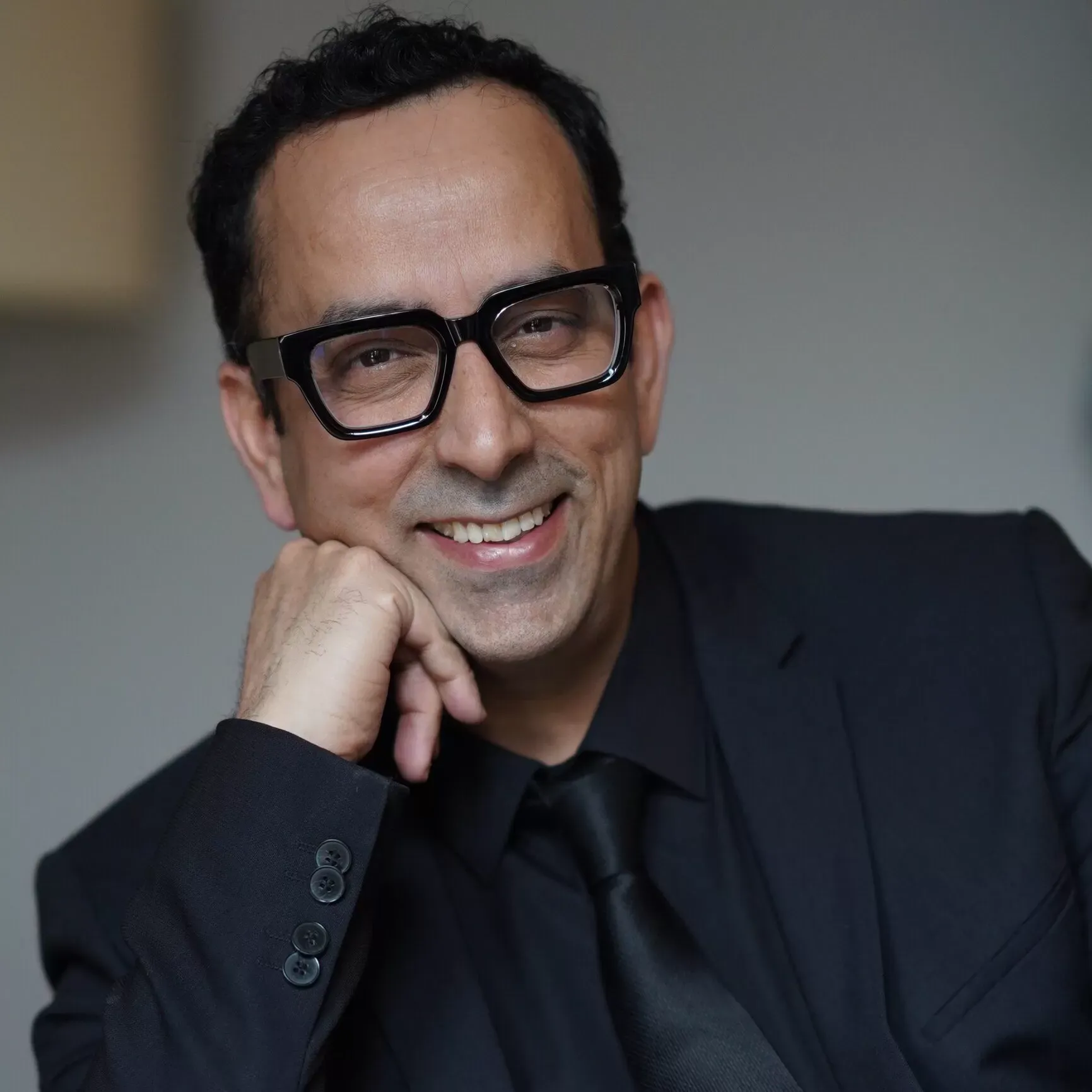
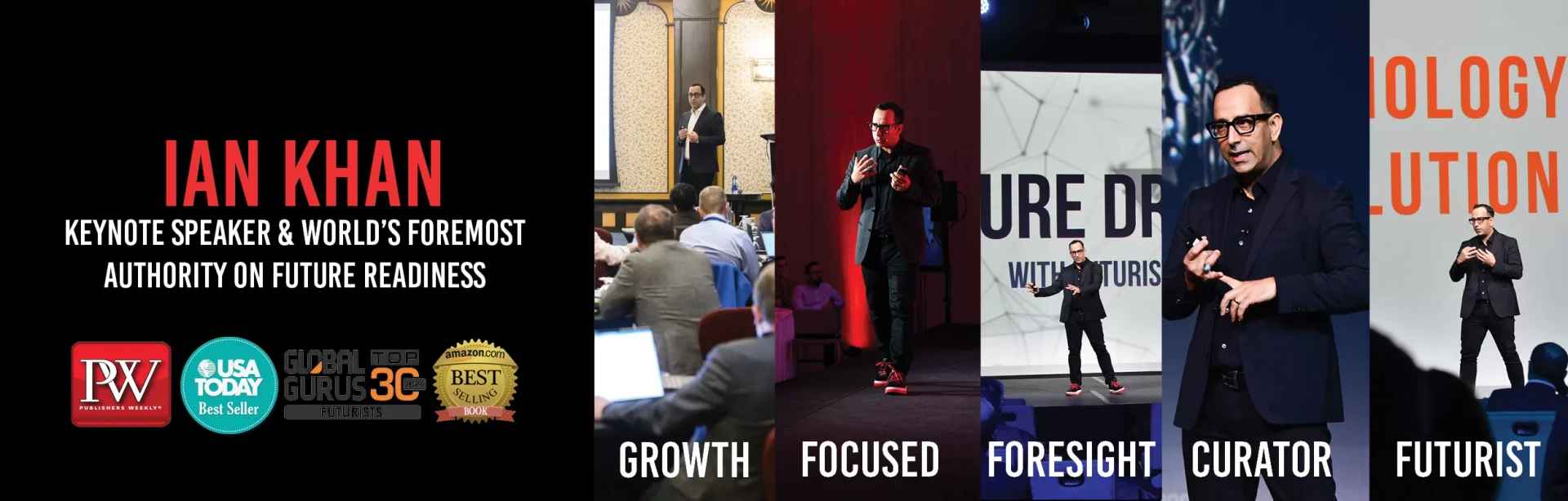
Ian Khan is a globally recognized futurist, technology keynote speaker, and 3x award-winning author whose work explores the intersection of emerging technology and human potential. As host of the documentary series “The Future of” and a Forbes contributor, Ian has helped Fortune 500 companies and government organizations navigate digital transformation. His insights on AI, blockchain, and future readiness have been featured in major publications worldwide.
Inspired by history’s greatest communicators?
Contact Ian Khan at iankhan.com to bring powerful, transformative keynote speaking to your next event.