Here Is Why Malala Yousafzai’s “One Child, One Teacher, One Pen, and One Book” Was Revolutionary
On July 12, 2013, Malala Yousafzai delivered a powerful speech at the United Nations Youth Assembly in New York City, marking her 16th birthday. This momentous occasion was not only a celebration of her life but also a platform for advocating for the right to education for all children, particularly girls. Malala’s words resonated globally, emphasizing the transformative power of education and the importance of standing up against oppression. Her speech has since become a rallying cry for education advocates and a symbol of resilience in the face of adversity.
To understand the significance of Malala’s speech, we must consider the historical context in which it was delivered. Malala, a Pakistani activist, had survived an assassination attempt by the Taliban in 2012 for her outspoken advocacy for girls’ education. Her bravery in the face of such violence brought international attention to the plight of girls in regions where education is often denied. The UN Youth Assembly provided a global stage for her message, highlighting the urgent need for action to ensure that every child has access to education.
Malala’s audience included world leaders, activists, and young people from around the globe, all gathered to discuss the importance of education. The atmosphere was charged with hope and determination, as Malala’s words aimed to inspire collective action. Her speech needed to convey not just her personal story but also the broader struggle for education rights, making the stakes incredibly high.
In her address, Malala famously stated,
“One child, one teacher, one pen, and one book can change the world.”
This line encapsulated her core message: that education is a powerful tool for change and that every individual has the potential to make a difference.
The speech’s main message focused on the importance of education as a fundamental human right and a catalyst for social change. Malala employed powerful rhetorical techniques, including personal anecdotes and inclusive language, to connect with her audience. Her delivery was passionate and heartfelt, showcasing her unwavering commitment to the cause. The speech resonated deeply, igniting a global movement for education and inspiring countless individuals to advocate for change.
The immediate reaction to Malala’s speech was overwhelmingly positive. Her courage and eloquence inspired many, both in Pakistan and around the world. In the short term, her words helped to raise awareness of the challenges faced by girls seeking education, leading to increased support for initiatives aimed at promoting education rights. Malala’s message resonated with activists, educators, and policymakers, galvanizing efforts to improve access to education for all children.
In the long term, Malala’s speech has left a lasting impact on the global education movement. It became a symbol of hope and resilience, inspiring individuals and organizations to advocate for the right to education. The principles articulated in her address continue to resonate in contemporary discussions about education, gender equality, and human rights. Malala’s words serve as a reminder of the ongoing struggle for education and the importance of empowering young people to advocate for their rights.
The legacy of Malala’s speech endures today, as it is studied and referenced in discussions about education and social justice. Its themes resonate strongly in contemporary society, reminding us of the ongoing need for advocacy and action. Malala’s commitment to education and her willingness to speak out against injustice continue to inspire new generations of activists and leaders.
In conclusion, Malala Yousafzai’s “One Child, One Teacher, One Pen, and One Book” speech stands as a powerful testament to the impact of words in shaping history. It exemplifies how a message of hope and resilience can inspire individuals to come together for a common cause. As we reflect on Malala’s legacy, we are reminded of the ongoing struggle for education and the importance of believing in the potential for change.
—
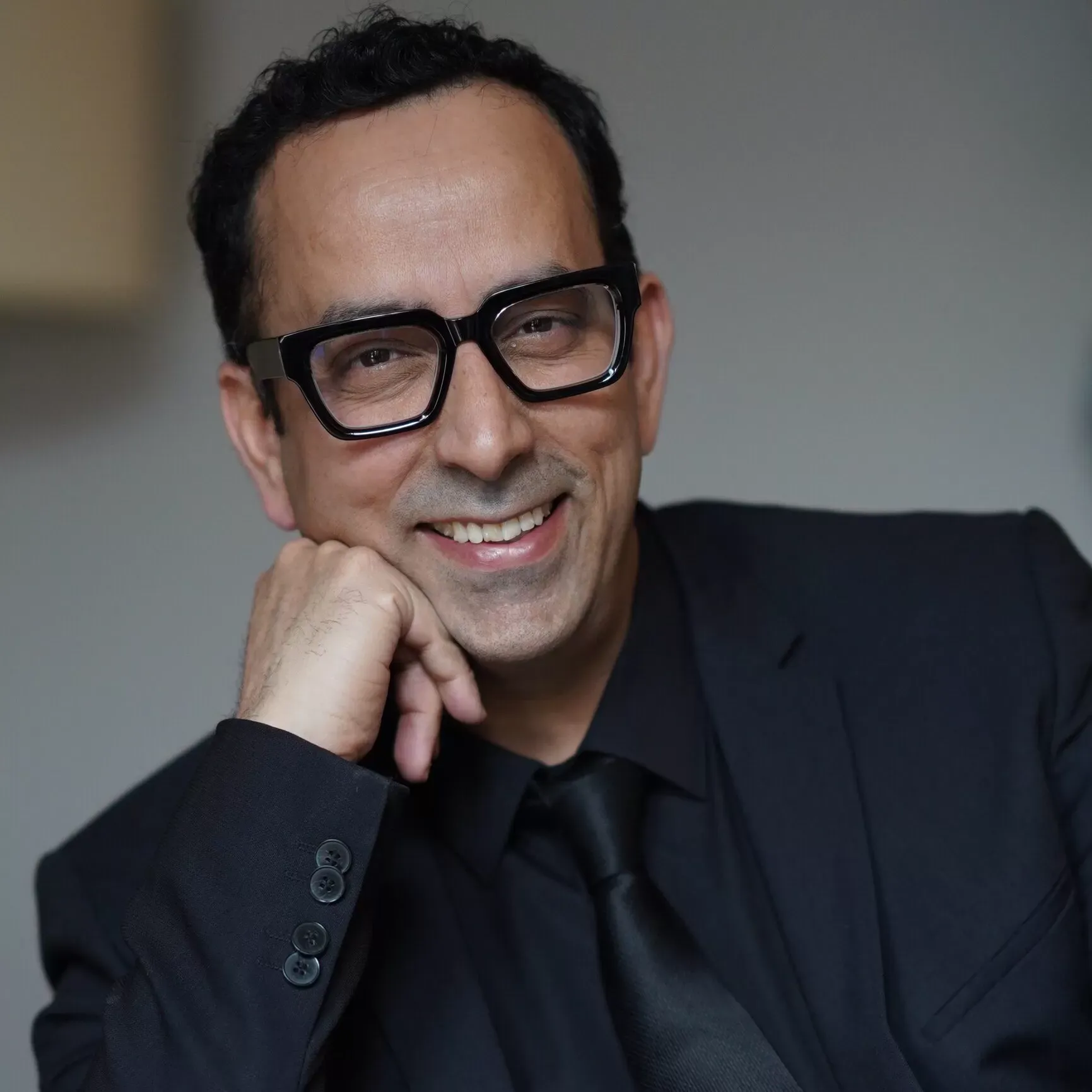
Ian Khan is a globally recognized futurist, technology keynote speaker, and 3x award-winning author whose work explores the intersection of emerging technology and human potential. As host of the documentary series “The Future of” and a Forbes contributor, Ian has helped Fortune 500 companies and government organizations navigate digital transformation. His insights on AI, blockchain, and future readiness have been featured in major publications worldwide.
Inspired by history’s greatest communicators?
Contact Ian Khan at iankhan.com to bring powerful, transformative keynote speaking to your next event.