Here Is Why Malala Yousafzai’s “Nobel Peace Prize Speech” Was Revolutionary
On December 10, 2014, Malala Yousafzai delivered a powerful speech in Oslo, Norway, upon receiving the Nobel Peace Prize. At just 17 years old, she became the youngest-ever laureate, a remarkable achievement that underscored her courage and commitment to advocating for girls’ education worldwide. Her words resonated deeply, capturing the struggles faced by millions of children denied the right to education, and her message of hope and resilience continues to inspire individuals and movements around the globe.
Historical Context
Malala’s journey began in the Swat Valley of Pakistan, where the Taliban imposed strict regulations that severely restricted girls’ access to education. In 2009, at the age of 11, she began writing a blog under a pseudonym for the BBC Urdu, detailing her experiences living under Taliban rule and her desire to continue her education. Her activism drew international attention, but it also made her a target. In October 2012, Malala was shot in the head by a Taliban gunman while riding a bus home from school, an act of violence that sparked global outrage and solidarity for her cause.
By the time she delivered her Nobel speech, Malala had become a symbol of the fight for girls’ education and an advocate for peace. The world was watching, and her message was more urgent than ever, as millions of children were still being denied their right to education due to conflict, poverty, and discrimination.
The Speech Itself
In her Nobel Peace Prize speech, Malala began by expressing gratitude, stating,
“I don’t want to be thought of as the girl who was shot by the Taliban, but as the girl who stood up for education.”
This powerful declaration set the tone for her message, emphasizing her commitment to education and empowerment.
Malala employed a range of rhetorical techniques, including personal anecdotes, emotional appeals, and inclusive language, to engage her audience. She spoke of the importance of education, stating,
“One child, one teacher, one pen, and one book can change the world.”
This line encapsulated her belief in the transformative power of education and the potential for change that lies within every individual.
Her delivery was passionate and heartfelt, capturing the attention of listeners and inspiring them to take action. The speech concluded with a call for unity and collective action, urging everyone to join the fight for education and equality.
The Impact
The immediate impact of Malala’s speech was profound. It resonated deeply with audiences around the world, sparking conversations about the importance of education and the rights of girls. Her words galvanized support for initiatives aimed at improving access to education, particularly in conflict-affected regions.
In the short term, Malala’s speech helped to elevate the global conversation around girls’ education, leading to increased funding and support for educational programs. Organizations like the Malala Fund were established to advocate for girls’ education and empower young women to become leaders in their communities.
In the long term, Malala’s message has inspired countless individuals and movements advocating for social justice and equality. Her story has become a symbol of resilience and hope, encouraging young people to stand up for their rights and the rights of others.
Legacy and Modern Relevance
Today, Malala Yousafzai’s Nobel Peace Prize speech is studied in classrooms and referenced in discussions about education and human rights. Its themes of empowerment, resilience, and the importance of education resonate as society continues to confront issues of inequality and injustice. The speech serves as a reminder of the power of youth activism and the impact that one voice can have in shaping the future.
Malala’s legacy is evident in the ongoing movements advocating for girls’ education and gender equality. Her message continues to inspire individuals and organizations working to create a more equitable world, reminding us that education is a fundamental right that should be accessible to all.
Conclusion
Malala Yousafzai’s Nobel Peace Prize speech stands as a powerful testament to the enduring struggle for education and equality. It encapsulates the aspirations of a generation and the moral imperative to fight for a better future. As we reflect on Malala’s vision, we are called to continue the fight for a more just and equitable world, recognizing that the struggle for education is a collective responsibility that requires action from all of us.
About Ian Khan
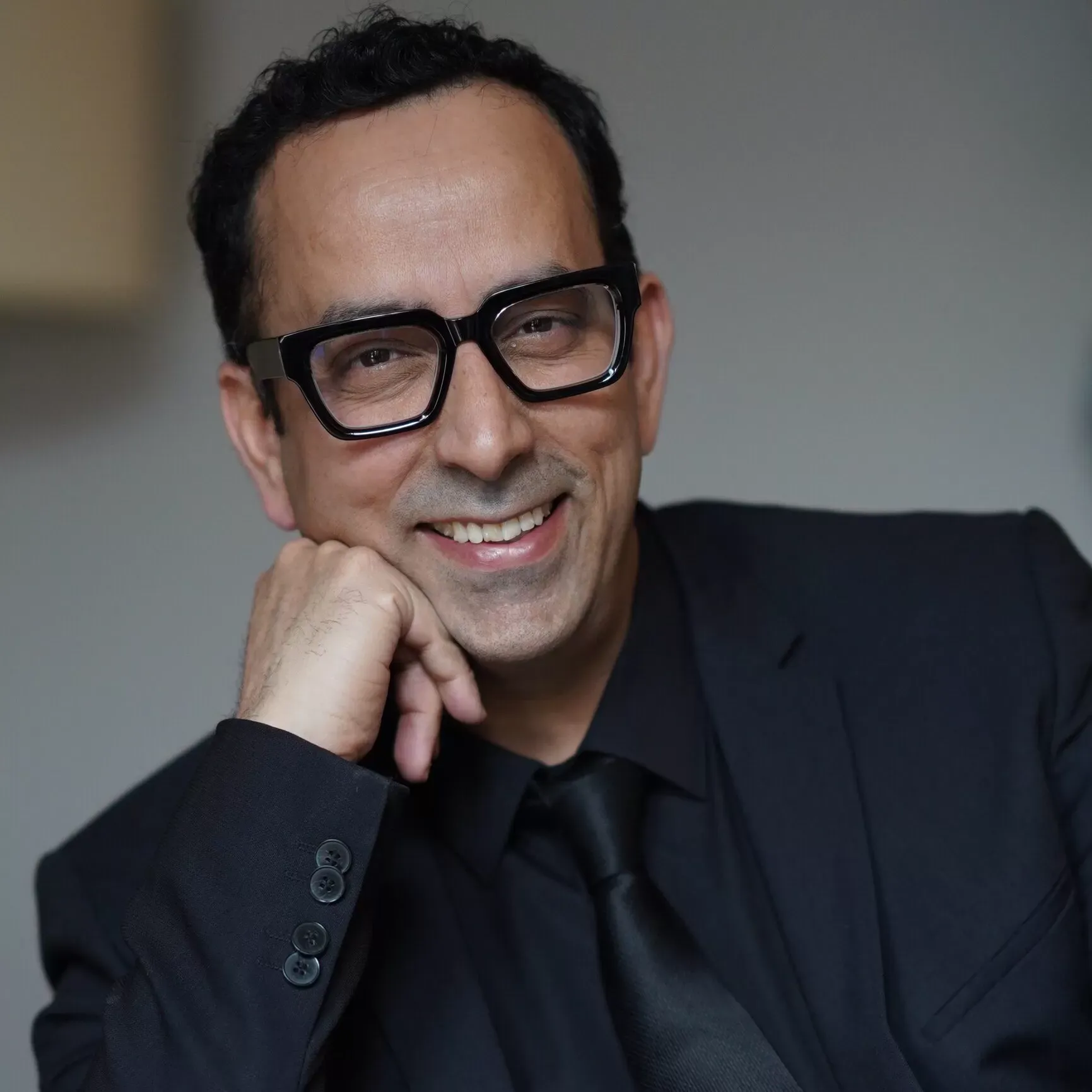
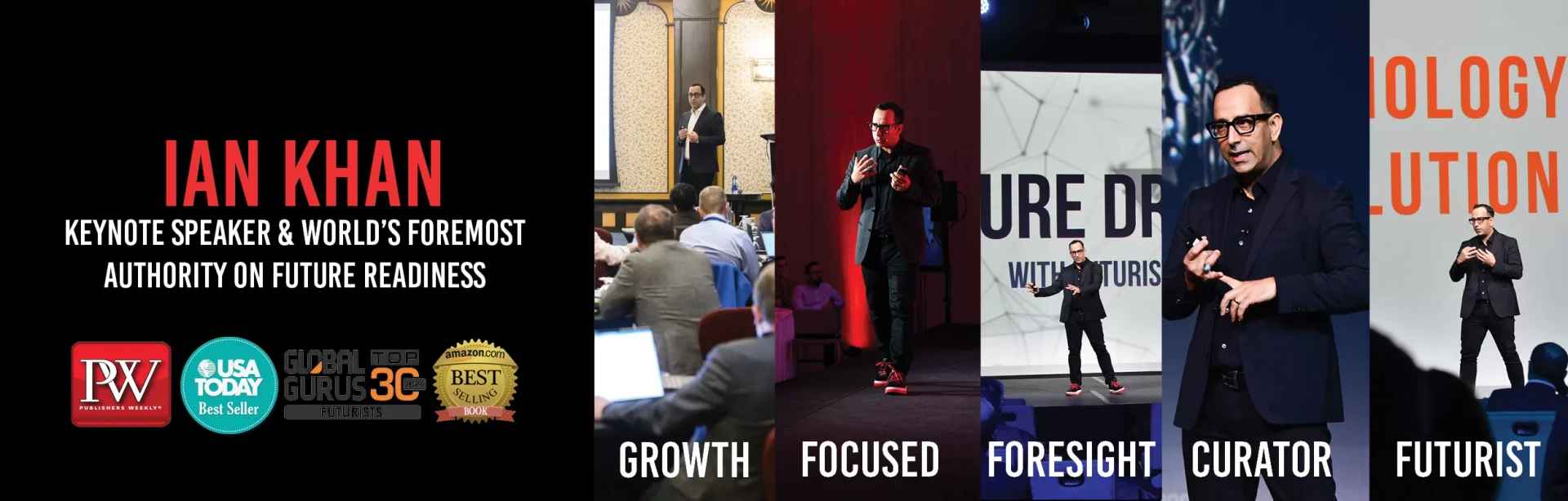
Ian Khan is a globally recognized futurist, technology keynote speaker, and 3x award-winning author whose work explores the intersection of emerging technology and human potential. As host of the documentary series “The Future of” and a Forbes contributor, Ian has helped Fortune 500 companies and government organizations navigate digital transformation. His insights on AI, blockchain, and future readiness have been featured in major publications worldwide.
Inspired by history’s greatest communicators?
Contact Ian Khan at iankhan.com to bring powerful, transformative keynote speaking to your next event.