Here Is Why John F. Kennedy’s “Inaugural Address” Was Revolutionary
Opening Summary
On January 20, 1961, John F. Kennedy delivered his inaugural address as the 35th President of the United States, a speech that would resonate through history. In a time marked by Cold War tensions and social upheaval, Kennedy’s words called for unity, courage, and a commitment to public service. His famous line, “Ask not what your country can do for you—ask what you can do for your country,” became a rallying cry for a generation, emphasizing the importance of civic responsibility and global cooperation.
Historical Context
The early 1960s were a period of significant change and uncertainty in the United States and around the world. The Cold War was at its height, with the threat of nuclear conflict looming large. Domestically, the Civil Rights Movement was gaining momentum, challenging the status quo and demanding equality for African Americans. Kennedy’s election in 1960 represented a shift toward a new generation of leadership, and his inaugural address was an opportunity to set the tone for his presidency.
As Kennedy took office, the nation faced numerous challenges, including economic issues, the ongoing struggle for civil rights, and the need to establish a strong stance against communism. His address aimed to inspire hope and action, urging Americans to come together in the face of adversity and work toward a brighter future.
The Speech Itself
In his inaugural address, Kennedy employed powerful rhetoric and a sense of urgency to connect with his audience. He began by acknowledging the challenges facing the nation, stating, “We observe today not a victory of party but a celebration of freedom—symbolizing an end as well as a beginning—signifying renewal as well as change.” This opening set the stage for a speech that would call for unity and collective action.
“Ask not what your country can do for you—ask what you can do for your country.”
This iconic line encapsulated the essence of Kennedy’s message, urging citizens to take an active role in shaping their nation. He emphasized the importance of service and sacrifice, appealing to the better angels of human nature. Kennedy’s use of parallelism and repetition throughout the speech reinforced his key themes, creating a rhythmic and memorable delivery.
The Impact
The immediate reaction to Kennedy’s inaugural address was overwhelmingly positive. His words inspired a sense of hope and possibility, resonating with a nation eager for change. The speech galvanized support for his administration’s initiatives, including the Peace Corps and efforts to combat poverty and inequality.
In the short term, Kennedy’s address helped to solidify his position as a leader committed to progress and public service. It also set the tone for his presidency, emphasizing the need for cooperation and collaboration both domestically and internationally. Long-term, the speech became a defining moment in American political history, influencing future generations of leaders and activists.
Legacy and Modern Relevance
Today, John F. Kennedy’s inaugural address is studied as a pivotal moment in American rhetoric and political discourse. Its themes of civic responsibility, global cooperation, and the importance of public service continue to resonate in contemporary discussions about leadership and social change. The speech serves as a reminder of the power of words to inspire action and unite people in pursuit of a common goal.
Kennedy’s legacy as a transformative leader is reflected in the ongoing impact of his message. His call to action has inspired countless individuals to engage in public service and advocate for social justice, reinforcing the idea that each person has a role to play in shaping the future.
Conclusion
The significance of John F. Kennedy’s inaugural address lies in its ability to inspire and mobilize a nation. It was a defining moment in American history, urging citizens to rise above self-interest and work for the common good. Kennedy’s words continue to motivate individuals to strive for a better future, illustrating the profound impact of effective communication in shaping history.
About Ian Khan
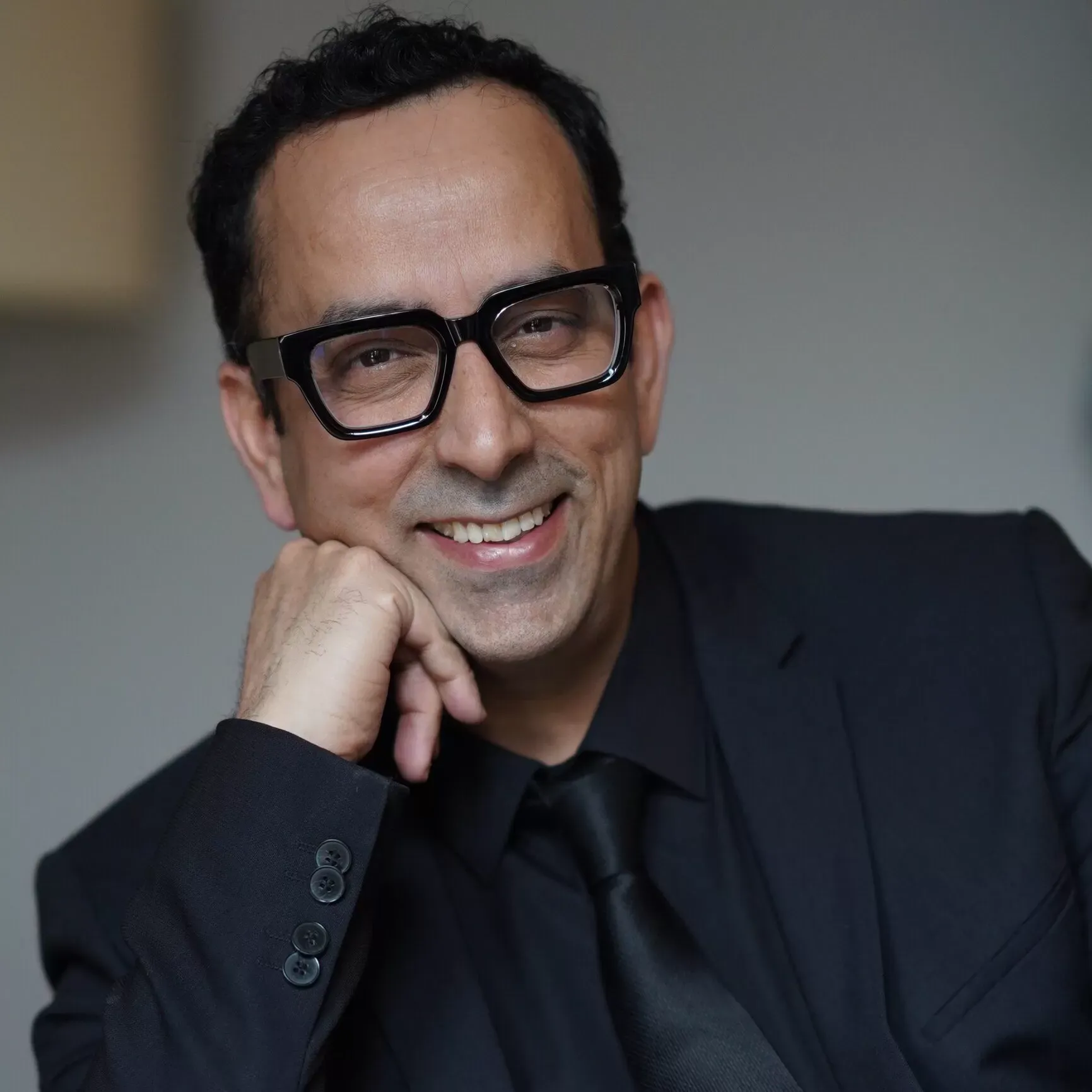
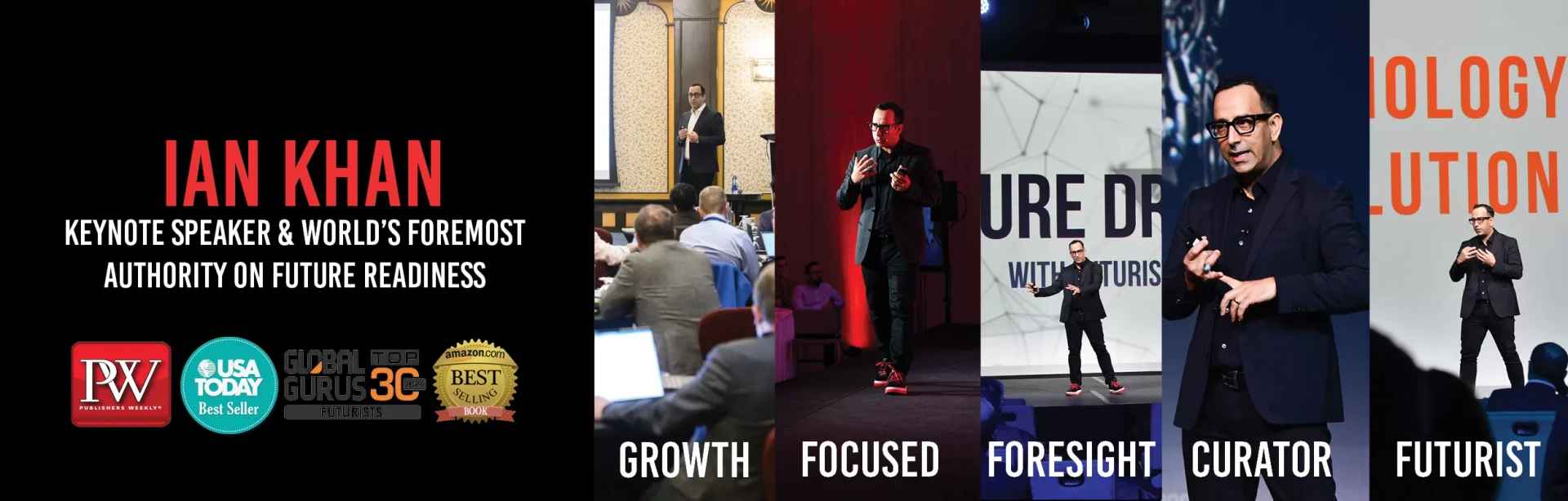
Ian Khan is a globally recognized futurist, technology keynote speaker, and 3x award-winning author whose work explores the intersection of emerging technology and human potential. As host of the documentary series “The Future of” and a Forbes contributor, Ian has helped Fortune 500 companies and government organizations navigate digital transformation. His insights on AI, blockchain, and future readiness have been featured in major publications worldwide.
Inspired by history’s greatest communicators? Contact Ian Khan at iankhan.com to bring powerful, transformative keynote speaking to your next event.