Here Is Why Franklin D. Roosevelt’s “The Only Thing We Have to Fear Is Fear Itself” Was Revolutionary
Opening Summary
On March 4, 1933, Franklin D. Roosevelt delivered his inaugural address as the 32nd President of the United States, famously stating, “The only thing we have to fear is fear itself.” This speech came at a time when the nation was grappling with the Great Depression, a period of unprecedented economic turmoil and uncertainty. Roosevelt’s words aimed to instill hope and confidence in the American people, marking a pivotal moment in U.S. history.
Historical Context
The early 1930s were characterized by widespread unemployment, bank failures, and a general sense of despair among the American populace. The stock market crash of 1929 had triggered a severe economic downturn, leading to a loss of faith in traditional institutions and government. As Roosevelt took office, the nation was in dire need of leadership that could inspire action and restore confidence.
Roosevelt’s election was seen as a turning point, as he campaigned on a platform of recovery and reform. His inaugural address was delivered during a time of great anxiety, with millions of Americans looking to their new president for guidance. The speech sought to address the fears and concerns of the nation while laying the groundwork for the New Deal, a series of programs aimed at economic recovery.
The Speech Itself
In his inaugural address, Roosevelt employed powerful rhetoric and a reassuring tone to connect with his audience. He acknowledged the challenges facing the nation, stating, “This great Nation will endure as it has endured, will revive and will prosper.” His famous declaration, “The only thing we have to fear is fear itself,” served as a rallying cry, urging Americans to confront their fears and work together to overcome adversity.
“Let me assert my firm belief that the only thing we have to fear is fear itself—nameless, unreasoning, unjustified terror which paralyzes needed efforts to convert retreat into advance.”
Roosevelt’s use of repetition and vivid imagery helped to reinforce his message, emphasizing the importance of unity and collective action. His delivery was confident and passionate, instilling a sense of hope in a nation that had been battered by economic hardship. The speech was met with enthusiastic applause, reflecting the optimism it inspired among listeners.
The Impact
The immediate reaction to Roosevelt’s speech was overwhelmingly positive, with many Americans feeling a renewed sense of hope and determination. His words resonated deeply, providing reassurance during a time of uncertainty. In the short term, the speech helped to galvanize support for Roosevelt’s New Deal initiatives, which aimed to address the economic crisis and provide relief to those in need.
Long-term, Roosevelt’s inaugural address became a defining moment in American political history. It set the tone for his presidency and established a new relationship between the government and the American people. The themes of courage and resilience articulated in the speech inspired a generation to engage in civic action and advocate for social change.
Legacy and Modern Relevance
Today, Roosevelt’s inaugural address is studied as a pivotal moment in American history, illustrating the power of rhetoric to inspire and mobilize a nation. Its themes of hope, unity, and resilience continue to resonate in contemporary discussions about leadership and crisis management. The speech serves as a reminder of the importance of confronting fear and working together to overcome challenges.
Roosevelt’s legacy as a transformative leader is reflected in the ongoing impact of his message. His call to action has inspired countless individuals and movements, reinforcing the idea that collective effort can lead to meaningful change. The phrase “the only thing we have to fear is fear itself” remains a powerful reminder of the importance of courage in the face of adversity.
Conclusion
The significance of Franklin D. Roosevelt’s inaugural address cannot be overstated. It marked a turning point in American political culture, encouraging a shift from fear to hope. Roosevelt’s words continue to inspire individuals to rise above personal challenges and work for the common good. In an age where uncertainty often prevails, his message remains a beacon of hope, reminding us that with leadership and commitment, we can overcome even the most daunting obstacles.
About Ian Khan
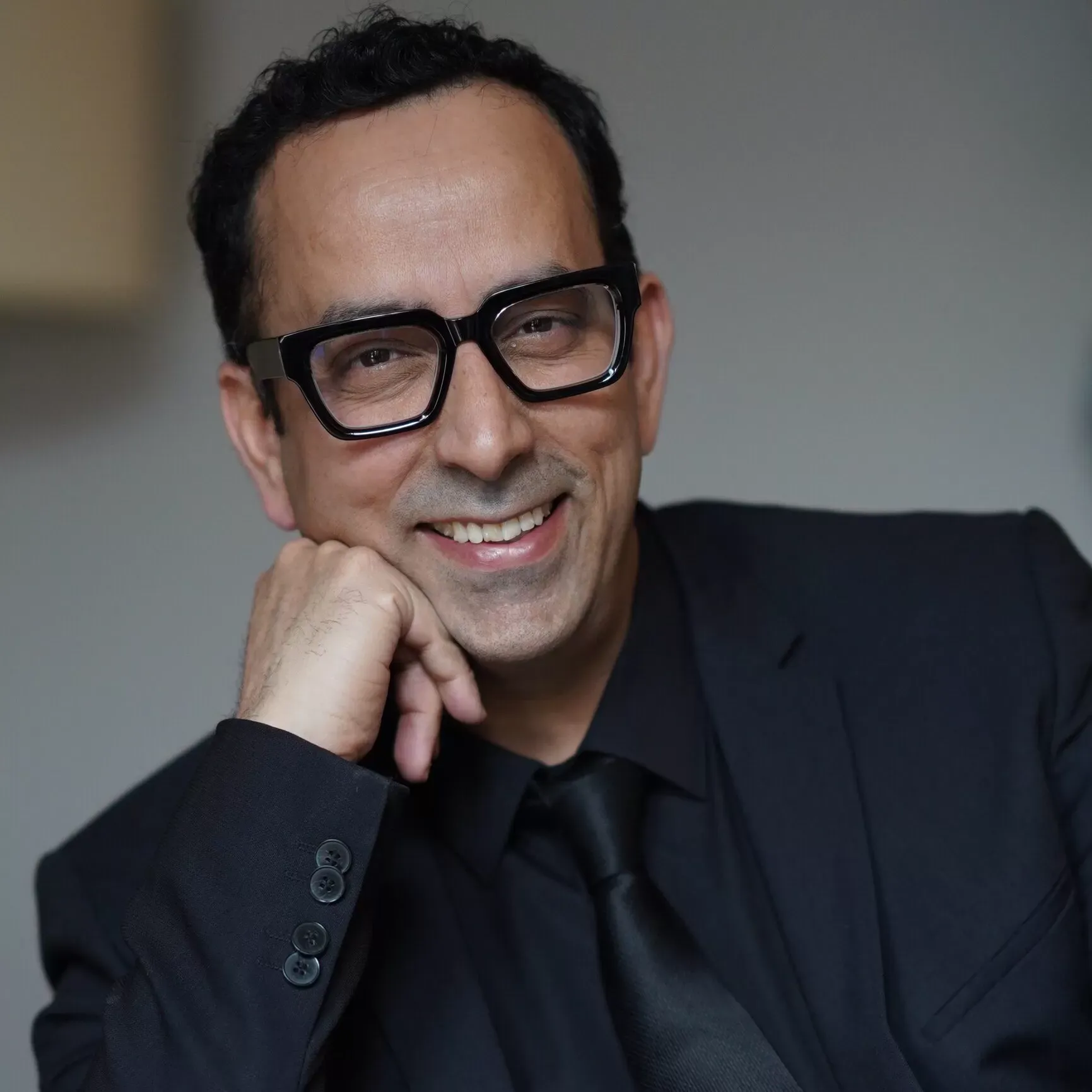
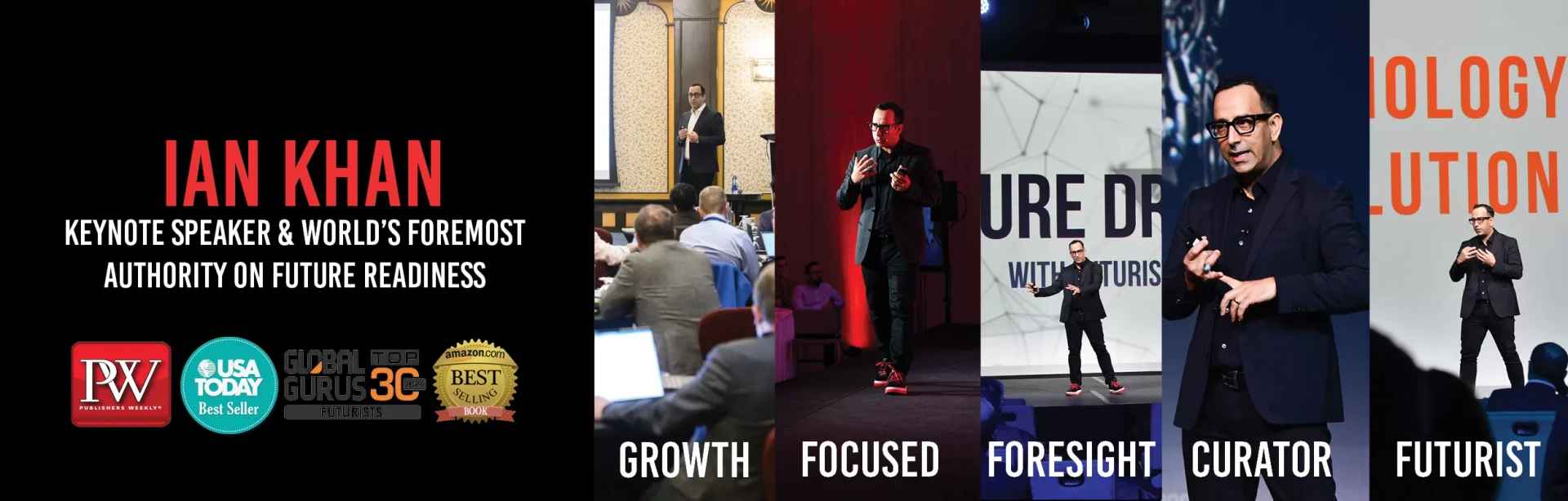
Ian Khan is a globally recognized futurist, technology keynote speaker, and 3x award-winning author whose work explores the intersection of emerging technology and human potential. As host of the documentary series “The Future of” and a Forbes contributor, Ian has helped Fortune 500 companies and government organizations navigate digital transformation. His insights on AI, blockchain, and future readiness have been featured in major publications worldwide.
Inspired by history’s greatest communicators? Contact Ian Khan at iankhan.com to bring powerful, transformative keynote speaking to your next event.