Here Is Why Franklin D. Roosevelt’s “The Only Thing We Have to Fear Is Fear Itself” Was Revolutionary
Opening Summary
On March 4, 1933, Franklin D. Roosevelt delivered his inaugural address as the 32nd President of the United States, famously stating,
“The only thing we have to fear is fear itself.”
This powerful declaration came at a time when the nation was grappling with the Great Depression, a period marked by economic turmoil and widespread despair. Roosevelt’s words aimed to instill hope and confidence in the American people, making this speech a defining moment in U.S. history.
Historical Context
The early 1930s were characterized by unprecedented economic challenges. The stock market crash of 1929 had led to massive unemployment, bank failures, and a general sense of hopelessness among the American populace. As Roosevelt took office, approximately one in four Americans was unemployed, and many families were struggling to make ends meet. The public’s trust in government and financial institutions was at an all-time low, creating a fertile ground for fear and uncertainty.
Roosevelt’s inaugural address was delivered during a time of great political and social upheaval. The nation was in desperate need of leadership that could inspire confidence and action. Roosevelt recognized that to combat the economic crisis, he needed to address not only the material needs of the people but also their psychological state. His speech sought to reassure Americans that they could overcome their fears and work together to rebuild the nation.
The Speech Itself
In his inaugural address, Roosevelt employed powerful rhetoric to convey his message of hope and resilience. He famously declared,
“This great Nation will endure as it has endured, will revive and will prosper.”
This statement encapsulated his belief in the American spirit and the capacity for recovery. Roosevelt’s use of repetition and parallel structure reinforced his message, creating a rhythmic and persuasive delivery that resonated with listeners.
He also addressed the need for collective action, stating,
“In every dark hour of our national life, a leadership of frankness and vigor has met with that understanding and support of the people themselves which is essential to victory.”
This call for unity and cooperation emphasized the importance of working together to overcome adversity.
The Impact
The immediate reaction to Roosevelt’s inaugural address was one of relief and optimism. His words provided a much-needed sense of hope to a nation in despair. The speech was widely covered by the media, and Roosevelt’s confident demeanor helped to restore faith in government leadership.
In the short term, Roosevelt’s address set the tone for his administration’s policies, which would come to be known as the New Deal. His call to action inspired a series of programs aimed at economic recovery, job creation, and social reform. The speech also galvanized public support for government intervention in the economy, marking a significant shift in American political philosophy.
Long-term, Roosevelt’s inaugural address has become a defining moment in American history. It is frequently cited in discussions about leadership, resilience, and the role of government in times of crisis. Roosevelt’s message of hope and determination continues to inspire leaders and citizens alike, reminding us of the power of words to effect change.
Legacy and Modern Relevance
Today, Franklin D. Roosevelt’s inaugural address is studied in classrooms and commemorated in various forms of media. Its themes of courage, unity, and the importance of confronting fear resonate in contemporary society, particularly in times of uncertainty and crisis.
The legacy of Roosevelt’s speech is evident in the continued fight for social justice and economic equality. Activists and leaders draw inspiration from his words, advocating for policies that promote inclusivity and opportunity for all.
Conclusion
The significance of Franklin D. Roosevelt’s inaugural address extends far beyond its historical context. It serves as a powerful reminder of the potential for words to inspire change and foster unity in times of crisis. Roosevelt’s call for hope and collective action resonates with leaders and citizens today, reinforcing the notion that each of us has a role to play in shaping a better future. His speech encapsulates the transformative power of language, urging us to embrace our shared humanity and work towards a more just and equitable world.
About Ian Khan
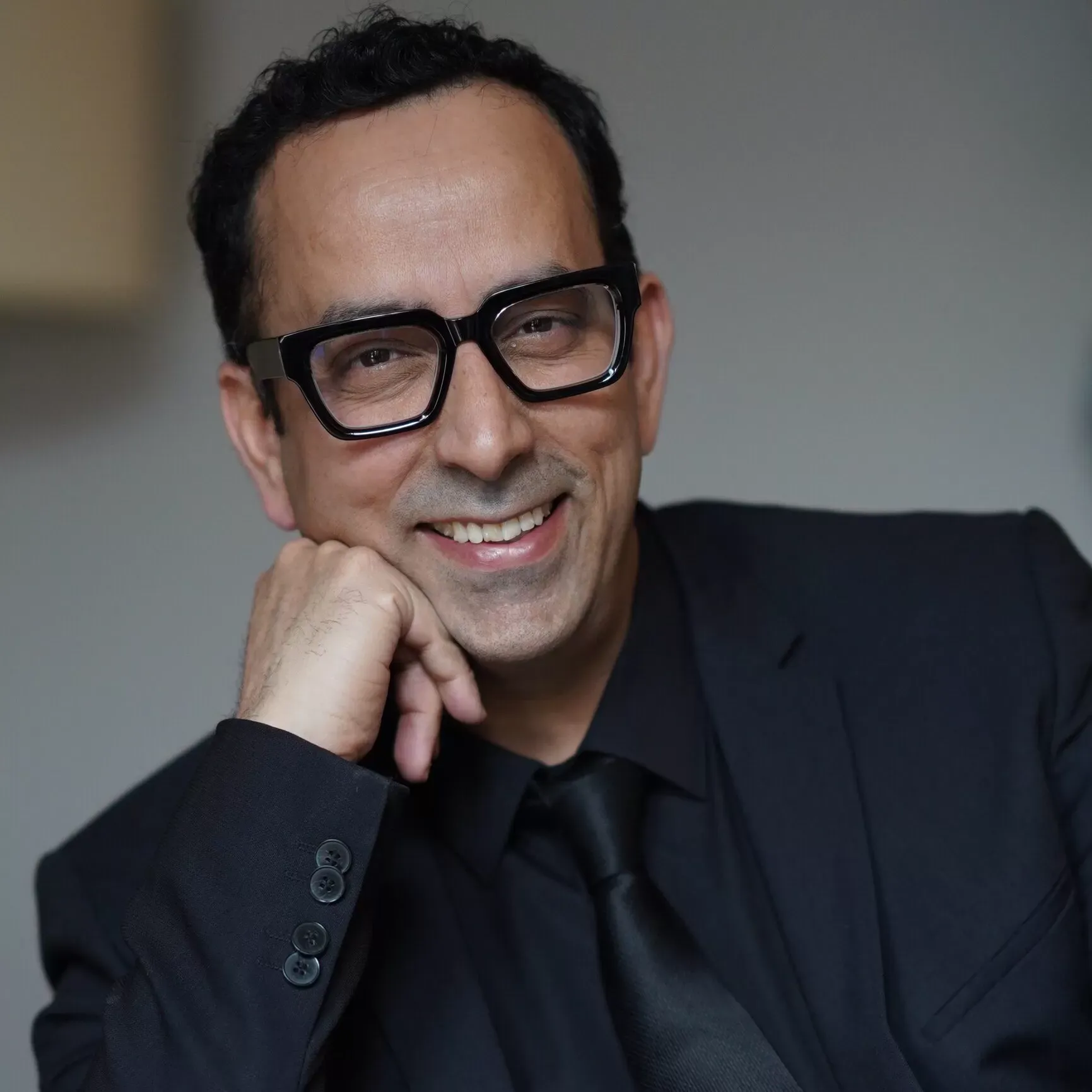
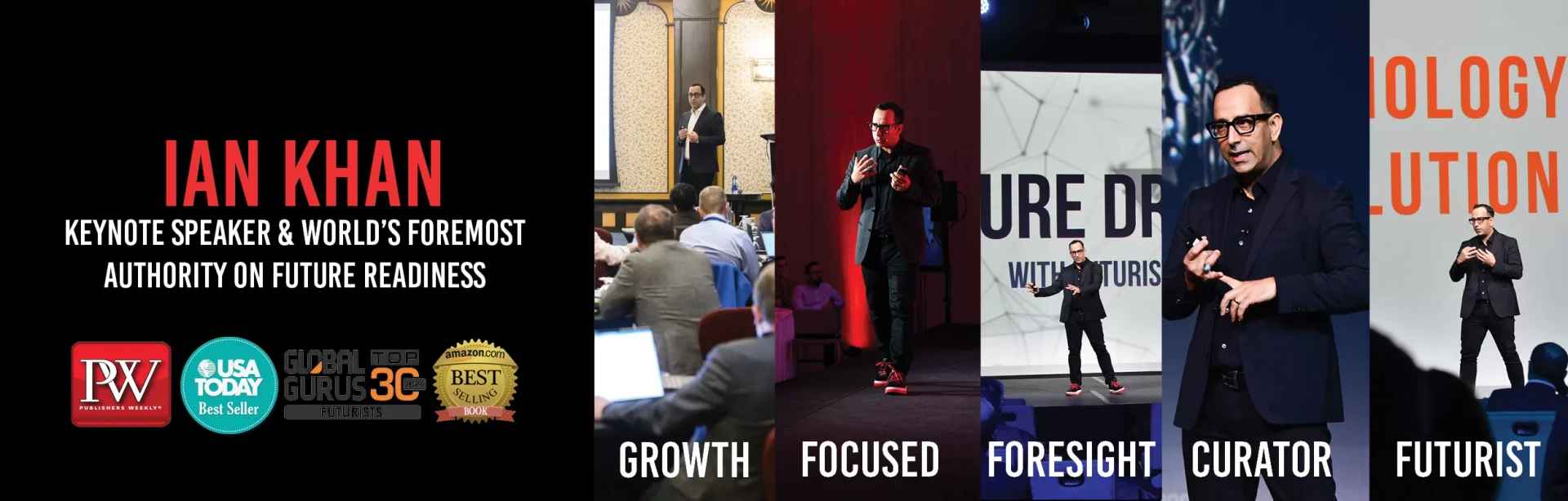
Ian Khan is a globally recognized futurist, technology keynote speaker, and 3x award-winning author whose work explores the intersection of emerging technology and human potential. As host of the documentary series “The Future of” and a Forbes contributor, Ian has helped Fortune 500 companies and government organizations navigate digital transformation. His insights on AI, blockchain, and future readiness have been featured in major publications worldwide.
Inspired by history’s greatest communicators?
Contact Ian Khan at iankhan.com to bring powerful, transformative keynote speaking to your next event.