Here Is Why Franklin D. Roosevelt’s “Four Freedoms” Speech Was Revolutionary
On January 6, 1941, President Franklin D. Roosevelt delivered his iconic “Four Freedoms” speech during his State of the Union address to Congress. This pivotal moment in American history came at a time when the world was engulfed in World War II, and the United States was grappling with its role in the global conflict. Roosevelt’s vision of a world founded on four essential human freedoms—freedom of speech, freedom of worship, freedom from want, and freedom from fear—resonated deeply, shaping the discourse around human rights and democracy for decades to come.
Historical Context
The early 1940s were marked by significant turmoil as World War II raged across Europe and Asia. The United States had not yet entered the war, but the threat of fascism and totalitarianism loomed large. Roosevelt recognized that the conflict was not just a military struggle but also a battle for the very ideals of democracy and human rights. The American public was divided on the issue of intervention, with many advocating for isolationism while others called for support of the Allies.
In this context, Roosevelt sought to articulate a vision that would unite the nation and inspire action. His speech aimed to frame the war as a fight for fundamental freedoms, emphasizing that the values of democracy were at stake. By outlining the Four Freedoms, he sought to galvanize support for intervention and to lay the groundwork for a post-war world built on principles of justice and equality.
The Speech Itself
In his address, Roosevelt began by acknowledging the challenges facing the nation, stating,
“In our world, there is nothing to fear but fear itself.”
He then introduced the concept of the Four Freedoms, articulating each one with clarity and conviction. He declared:
“The first is freedom of speech and expression—everywhere in the world.”
“The second is freedom of every person to worship God in his own way—everywhere in the world.”
“The third is freedom from want—which, translated into world terms, means economic understandings which will secure to every nation a healthy peacetime life for its inhabitants—everywhere in the world.”
“The fourth is freedom from fear—which, translated into world terms, means a world-wide reduction of armaments to such a point and in such a thorough fashion that no nation will be in a position to commit an act of physical aggression against any neighbor—anywhere in the world.”
Roosevelt’s use of repetition and parallel structure emphasized the universality of these freedoms, making them accessible and relatable to his audience. His passionate delivery and moral clarity inspired hope and a sense of purpose, urging Americans to embrace their role in defending these fundamental rights.
The Impact
The immediate impact of Roosevelt’s speech was profound. It resonated with a nation grappling with uncertainty and fear, providing a framework for understanding the war as a struggle for human rights. The Four Freedoms became a rallying cry for those advocating for intervention and support for the Allies.
In the short term, the speech helped to shift public opinion, leading to increased support for military aid to Britain and other nations fighting against fascism. It also laid the groundwork for the establishment of the United Nations and the Universal Declaration of Human Rights, as the principles articulated by Roosevelt became foundational to post-war international relations.
In the long term, the Four Freedoms have continued to serve as a guiding framework for human rights advocacy. They have inspired movements for social justice, civil rights, and global equality, reminding us of the ongoing struggle to uphold these ideals in the face of adversity.
Legacy and Modern Relevance
Today, Roosevelt’s “Four Freedoms” speech is studied in political science and history courses as a seminal moment in the evolution of human rights discourse. Its themes of freedom, equality, and justice remain relevant as society continues to confront issues of inequality, oppression, and conflict. The speech serves as a reminder of the power of words to inspire action and the importance of standing up for fundamental rights.
Roosevelt’s legacy is evident in contemporary discussions about democracy and human rights, as activists and leaders draw upon his vision to advocate for change. The Four Freedoms continue to inspire individuals and organizations working to create a more just and equitable world, reminding us that the fight for freedom is ongoing.
Conclusion
Franklin D. Roosevelt’s “Four Freedoms” speech stands as a powerful testament to the enduring struggle for human rights and democracy. It encapsulates the aspirations of a generation and the moral imperative to fight for a better future. As we reflect on Roosevelt’s vision, we are called to continue the fight for a more just and equitable world, recognizing that the struggle for freedom is a collective responsibility that requires action from all of us.
About Ian Khan
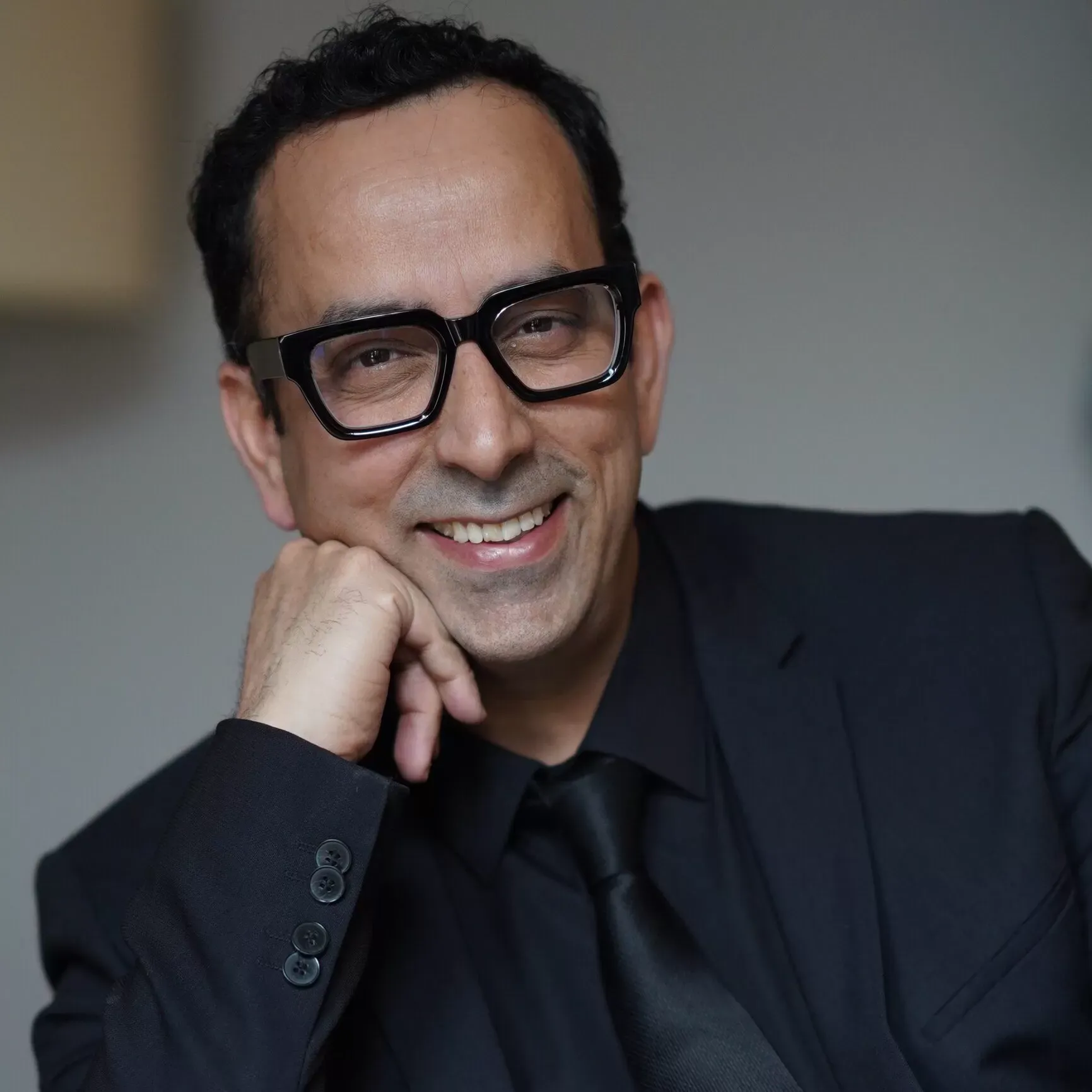
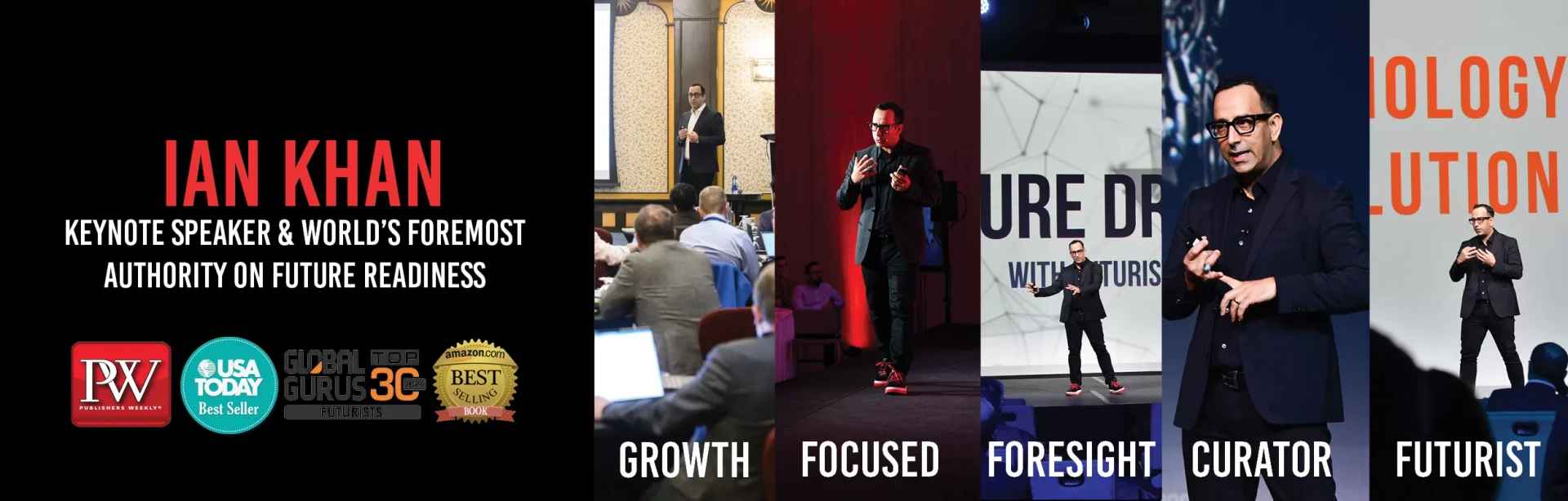
Ian Khan is a globally recognized futurist, technology keynote speaker, and 3x award-winning author whose work explores the intersection of emerging technology and human potential. As host of the documentary series “The Future of” and a Forbes contributor, Ian has helped Fortune 500 companies and government organizations navigate digital transformation. His insights on AI, blockchain, and future readiness have been featured in major publications worldwide.
Inspired by history’s greatest communicators?
Contact Ian Khan at iankhan.com to bring powerful, transformative keynote speaking to your next event.