Here Is Why Barack Obama’s “Yes We Can” Was Revolutionary
Barack Obama delivered his iconic “Yes We Can” speech on January 8, 2008, during a campaign rally in Nashua, New Hampshire. This speech came at a pivotal moment in his presidential campaign, following a narrow loss to Hillary Clinton in the New Hampshire primary. The phrase “Yes We Can” became a rallying cry for his supporters and encapsulated the hope and change that defined his campaign. Obama’s message resonated deeply with a nation yearning for progress and unity, making this speech a defining moment in American political history.
To understand the significance of Obama’s speech, we must consider the historical context of the 2008 election. The United States was facing numerous challenges, including economic turmoil, ongoing wars in Iraq and Afghanistan, and deep political polarization. Many Americans were disillusioned with the political establishment and eager for a leader who could inspire change. Obama’s candidacy represented a break from traditional politics, and his message of hope and inclusivity struck a chord with voters across the country.
In his speech, Obama employed powerful rhetorical techniques, including repetition and personal anecdotes, to connect with his audience. One of the most memorable quotes from his address is:
“We have shown that we can change. We have shown that we can come together as one nation, and one people.”
This line encapsulated his vision for a united America, where individuals from diverse backgrounds could work together for a common purpose.
Throughout his speech, Obama emphasized themes of resilience, determination, and collective action. He spoke about the struggles faced by ordinary Americans and the importance of believing in the possibility of change. His delivery was passionate and charismatic, captivating the audience and inspiring hope for a better future.
The immediate reaction to Obama’s speech was overwhelmingly positive. Supporters praised his ability to articulate a vision for America that resonated with their aspirations. The phrase “Yes We Can” quickly became a slogan for his campaign, symbolizing the optimism and determination of his supporters. In the short term, the speech helped to energize his campaign and solidify his position as a leading candidate for the Democratic nomination.
In the long term, Obama’s “Yes We Can” speech has left a lasting impact on American politics and culture. It became a symbol of hope and change, inspiring a generation of activists and leaders. The phrase has been referenced in various contexts, from grassroots movements to political discourse, serving as a reminder of the power of collective action and the belief in a better future.
The legacy of Obama’s speech endures today, as it continues to be studied and referenced in discussions about leadership, activism, and social change. It serves as a powerful reminder of the importance of hope and the potential for individuals to effect change in their communities and beyond.
In conclusion, Barack Obama’s “Yes We Can” speech stands as a powerful testament to the impact of words in shaping history. It exemplifies how a message of hope and unity can inspire individuals to come together for a common cause. As we reflect on Obama’s legacy, we are reminded of the ongoing struggle for progress and the importance of believing in the possibility of change.
—
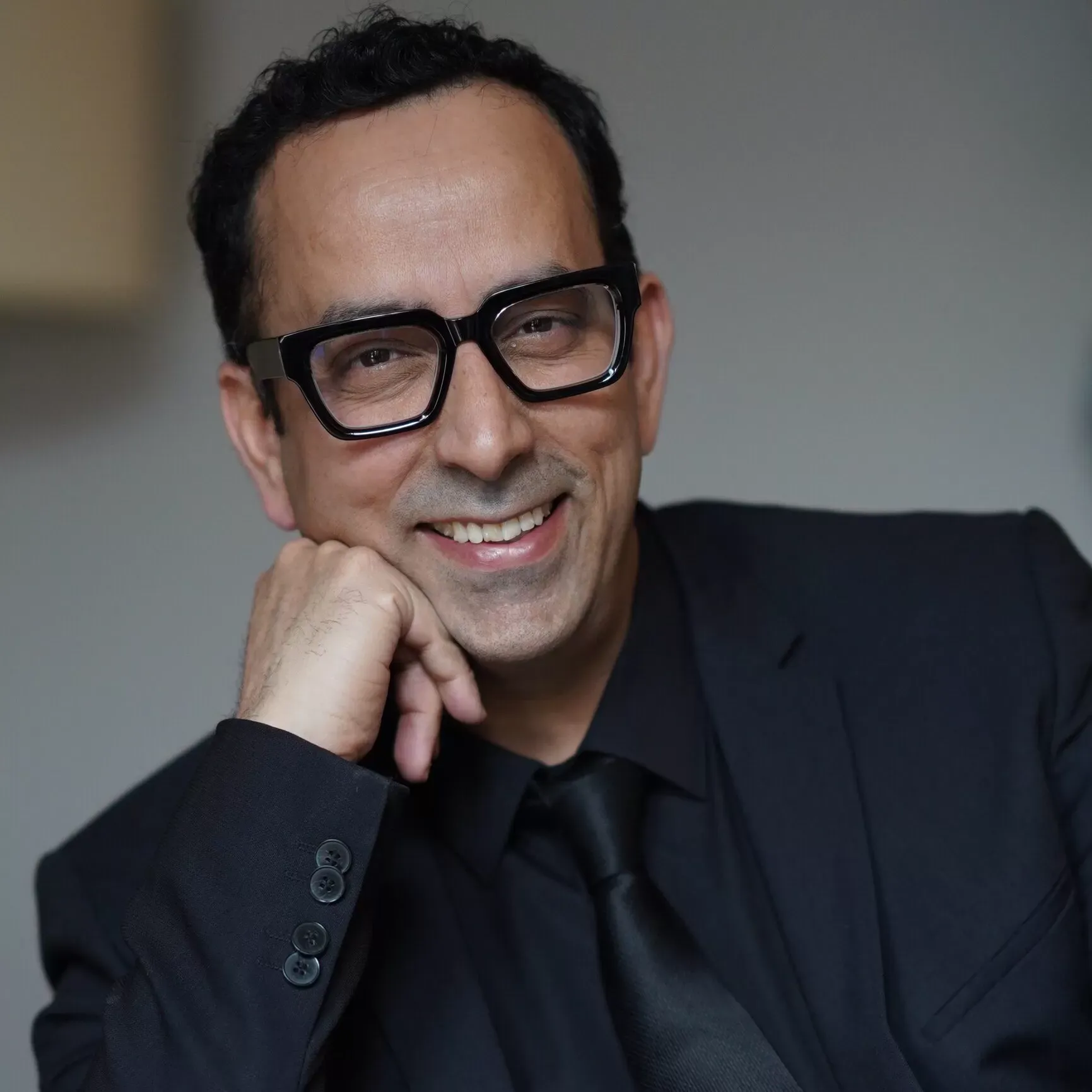
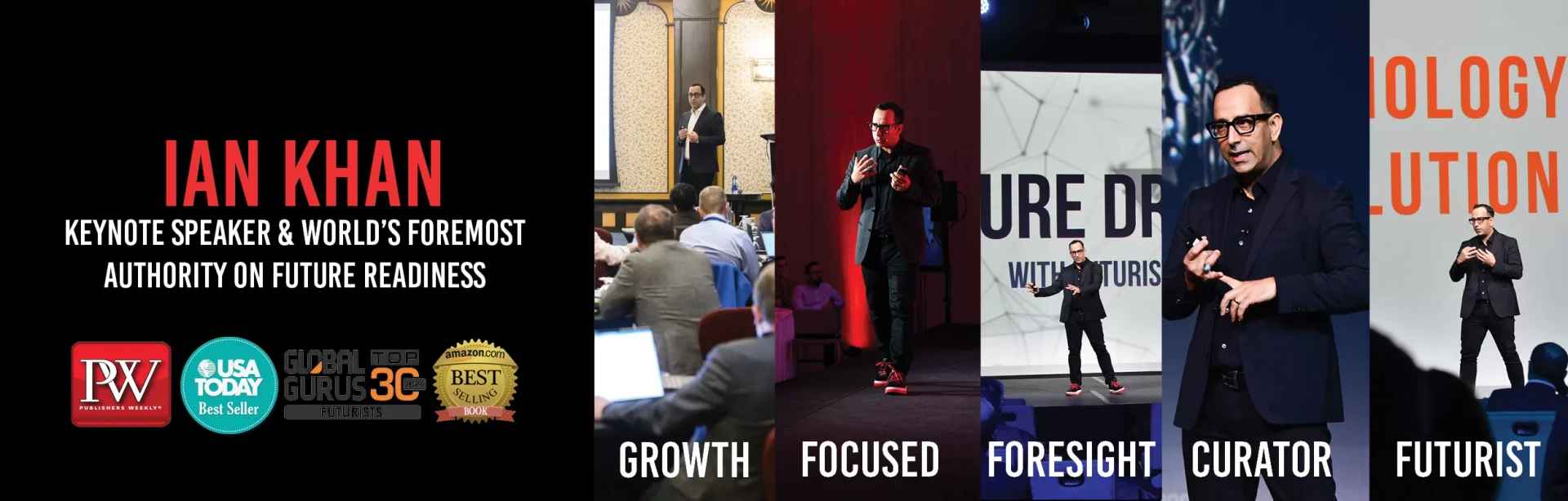
Ian Khan is a globally recognized futurist, technology keynote speaker, and 3x award-winning author whose work explores the intersection of emerging technology and human potential. As host of the documentary series “The Future of” and a Forbes contributor, Ian has helped Fortune 500 companies and government organizations navigate digital transformation. His insights on AI, blockchain, and future readiness have been featured in major publications worldwide.
Inspired by history’s greatest communicators?
Contact Ian Khan at iankhan.com to bring powerful, transformative keynote speaking to your next event.