Here Is Why Barack Obama’s “Yes We Can” Was Revolutionary
Barack Obama delivered his iconic speech titled “Yes We Can” on January 8, 2008, during his campaign rally in Nashua, New Hampshire. This speech came at a pivotal moment in American politics, as Obama was vying for the Democratic nomination for president. His message of hope and change resonated deeply with a diverse audience, capturing the spirit of a nation eager for transformation. The phrase “Yes We Can” became a rallying cry for millions, symbolizing the collective belief in the power of grassroots activism and the possibility of a brighter future.
Historical Context
The 2008 presidential election was marked by a backdrop of significant challenges facing the United States, including the aftermath of the Iraq War, a struggling economy, and widespread disillusionment with the political establishment. The nation was grappling with issues such as healthcare reform, climate change, and social justice, leading to a growing desire for a leader who could inspire hope and unity.
Obama’s candidacy represented a break from traditional politics, appealing to a younger generation and those disenchanted with the status quo. His message of inclusivity and empowerment resonated particularly with marginalized communities, who saw in him a reflection of their aspirations for equality and justice. The New Hampshire primary was a critical moment in his campaign, and his speech aimed to galvanize support and energize voters.
The Speech Itself
In his speech, Obama declared,
“This is our moment. This is our time to put our people back to work and to put our economy back on track.”
This powerful statement encapsulated his vision for a united America, where every citizen had a role to play in shaping the future. Obama employed a range of rhetorical techniques, including repetition, personal anecdotes, and vivid imagery, to convey his message of hope and resilience.
The phrase “Yes We Can” served as a refrain throughout the speech, reinforcing the idea that collective action could lead to meaningful change. Obama’s delivery was passionate and charismatic, drawing on his ability to connect with the audience on an emotional level. He spoke not only to the challenges facing the nation but also to the potential for progress, inspiring listeners to believe in their power to effect change.
The Impact
The immediate impact of Obama’s speech was significant. It energized his supporters and helped to solidify his position as a leading candidate for the Democratic nomination. The phrase “Yes We Can” quickly became synonymous with his campaign, appearing on banners, merchandise, and social media, galvanizing a movement that transcended traditional political boundaries.
In the short term, the speech contributed to a surge in voter turnout, particularly among young people and first-time voters. Obama’s message of hope and inclusivity resonated deeply, leading to increased engagement in the political process. In the long term, his campaign and the subsequent election as the first African American president in U.S. history marked a transformative moment in American politics, symbolizing progress in the ongoing struggle for civil rights and equality.
Legacy and Modern Relevance
Today, Barack Obama’s “Yes We Can” speech is studied in political science and communication courses as a prime example of effective oratory. Its themes of hope, unity, and empowerment continue to resonate in contemporary political discourse, inspiring new generations of activists and leaders. The phrase itself has become a cultural touchstone, representing the belief that collective action can lead to meaningful change.
Obama’s legacy as a transformative leader is reflected in ongoing movements advocating for social justice, healthcare reform, and climate action. His ability to inspire and mobilize individuals around a common cause serves as a reminder of the power of words to effect change and foster community.
Conclusion
Barack Obama’s “Yes We Can” speech stands as a testament to the power of hope and collective action in the face of adversity. It encapsulates the aspirations of a generation and the enduring quest for a more just and equitable society. As we reflect on Obama’s vision, we are reminded of our shared responsibility to work towards a brighter future, harnessing the power of our voices to inspire change. The legacy of this speech continues to inspire individuals to believe in their ability to make a difference, reinforcing the idea that together, we can overcome any challenge.
About Ian Khan
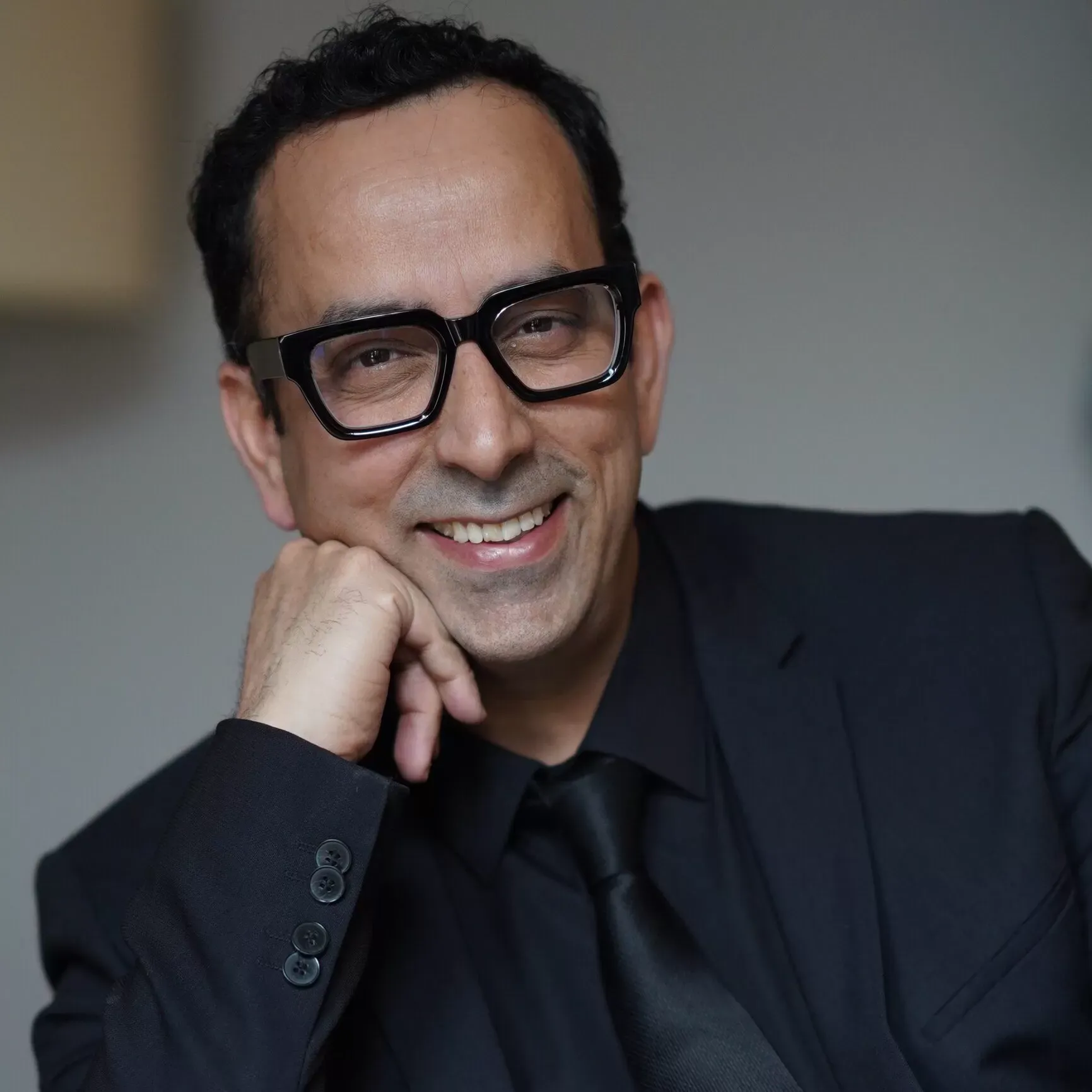
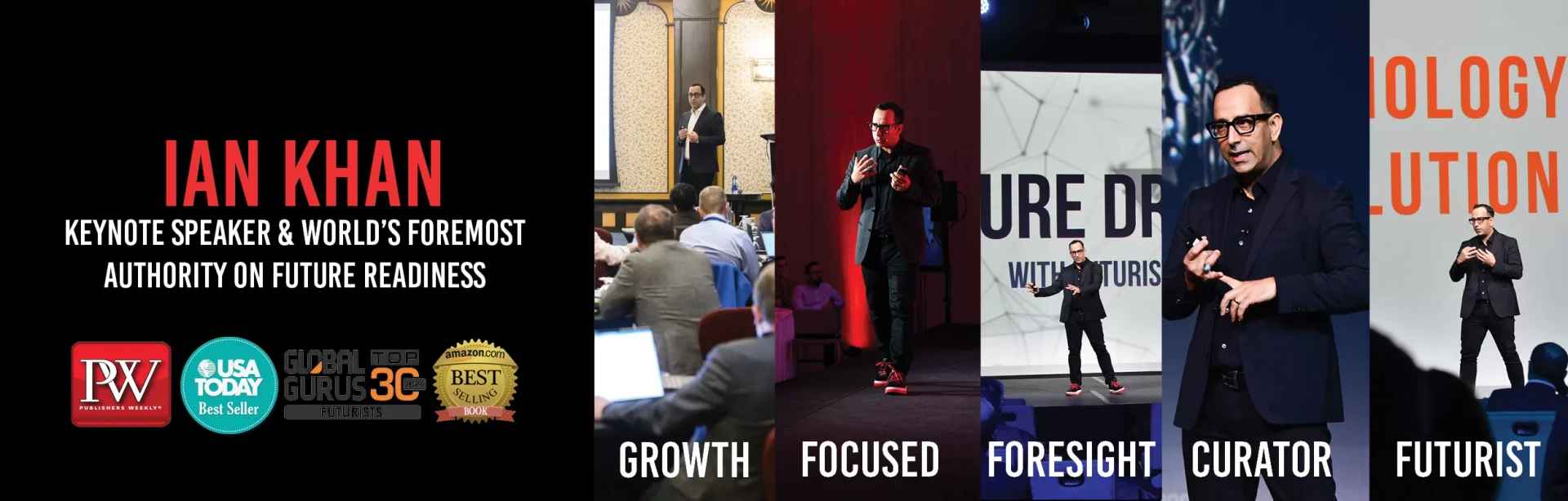
Ian Khan is a globally recognized futurist, technology keynote speaker, and 3x award-winning author whose work explores the intersection of emerging technology and human potential. As host of the documentary series “The Future of” and a Forbes contributor, Ian has helped Fortune 500 companies and government organizations navigate digital transformation. His insights on AI, blockchain, and future readiness have been featured in major publications worldwide.
Inspired by history’s greatest communicators?
Contact Ian Khan at iankhan.com to bring powerful, transformative keynote speaking to your next event.