Here Is Why Barack Obama’s “Yes We Can” Speech Was Revolutionary
On January 8, 2008, Barack Obama delivered his iconic “Yes We Can” speech in New Hampshire, following a hard-fought primary campaign. This moment marked a pivotal point in his journey toward the presidency, as he rallied supporters with a message of hope, unity, and change. Obama’s words resonated deeply with a nation yearning for progress and a renewed sense of purpose. The speech not only encapsulated his campaign’s core message but also became a defining moment in American political history, inspiring millions to believe in the power of collective action.
Historical Context
The early 2000s were a time of significant turmoil in the United States. The aftermath of the September 11 attacks, the wars in Iraq and Afghanistan, and the economic recession created a climate of uncertainty and division. Many Americans felt disillusioned with the political establishment, yearning for a leader who could bridge the gaps and inspire hope for a better future.
In this context, Barack Obama emerged as a fresh voice in American politics. His candidacy represented not only a potential shift in leadership but also a historic moment as he sought to become the first African American president. The New Hampshire primary was crucial for his campaign, and his speech served as a rallying cry for supporters who believed in his vision for change.
The Speech Itself
In his “Yes We Can” speech, Obama emphasized themes of resilience, unity, and the power of the people. He began by acknowledging the challenges faced by the nation, stating:
“This is our moment. This is our time to put our people back to work, to put our economy back on track, to put our country back together.”
These words set the tone for his address, highlighting the urgency of the moment. Obama employed powerful rhetorical techniques, including repetition and personal anecdotes, to connect with his audience. The phrase “Yes We Can” became a mantra, symbolizing hope and determination in the face of adversity.
Throughout the speech, Obama shared stories of everyday Americans who embodied the spirit of perseverance and hard work. His ability to articulate a vision for a united future resonated deeply with listeners, inspiring them to believe in the possibility of change.
The Impact
The immediate impact of Obama’s speech was profound. It energized his supporters and garnered significant media attention, helping to solidify his position as a leading candidate in the Democratic primary. The phrase “Yes We Can” quickly became synonymous with his campaign, inspiring grassroots movements and mobilizing voters across the country.
In the short term, the speech contributed to a surge in donations and volunteer support for Obama’s campaign. It galvanized a diverse coalition of supporters, including young voters, minorities, and those disillusioned with traditional politics. The message of hope and change resonated deeply, leading to increased voter turnout in subsequent primaries.
Long-term, Obama’s “Yes We Can” speech became a defining moment in American political history. It not only helped propel him to the presidency but also inspired a generation of activists and leaders who embraced the ideals of hope, unity, and collective action. The speech’s impact can be seen in the continued efforts to promote social justice, equality, and civic engagement.
Legacy and Modern Relevance
Today, Barack Obama’s “Yes We Can” speech is studied in political science courses and celebrated as a pivotal moment in American history. Its themes of hope, resilience, and the power of the people remain relevant in contemporary discussions about democracy and social change. As the nation grapples with ongoing challenges, Obama’s words serve as a reminder of the importance of unity and collective action in the pursuit of progress.
The legacy of the speech extends beyond politics, inspiring individuals and communities to advocate for change in various contexts. It has become a rallying cry for movements seeking justice, equality, and a better future for all.
Conclusion
Barack Obama’s “Yes We Can” speech stands as a testament to the power of words to inspire change and foster hope. It reminds us that through determination, unity, and collective action, individuals can challenge the status quo and build a more equitable world. In a time when leadership is vital, the lessons from his address emphasize the transformational potential of speaking out for a better future.
About Ian Khan
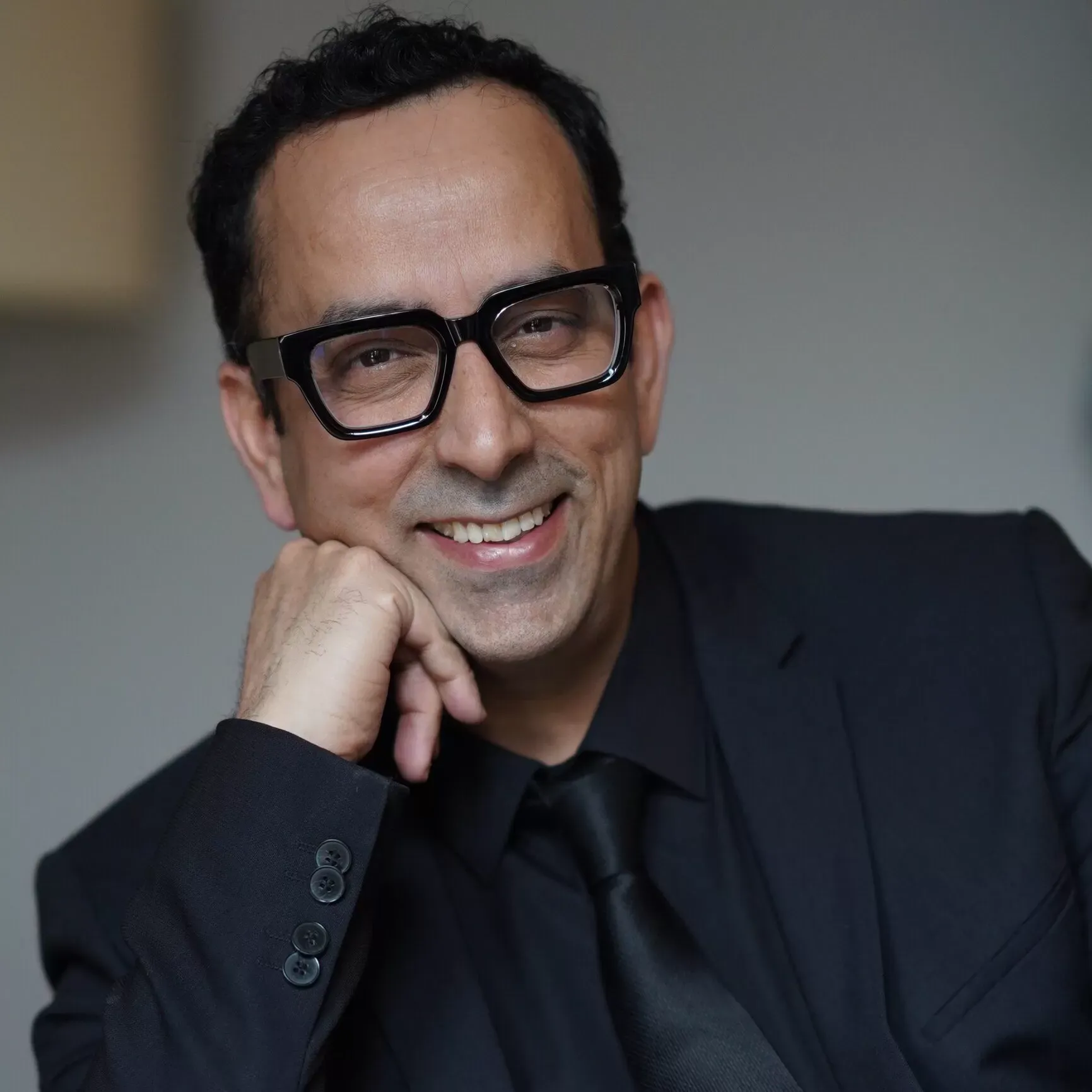
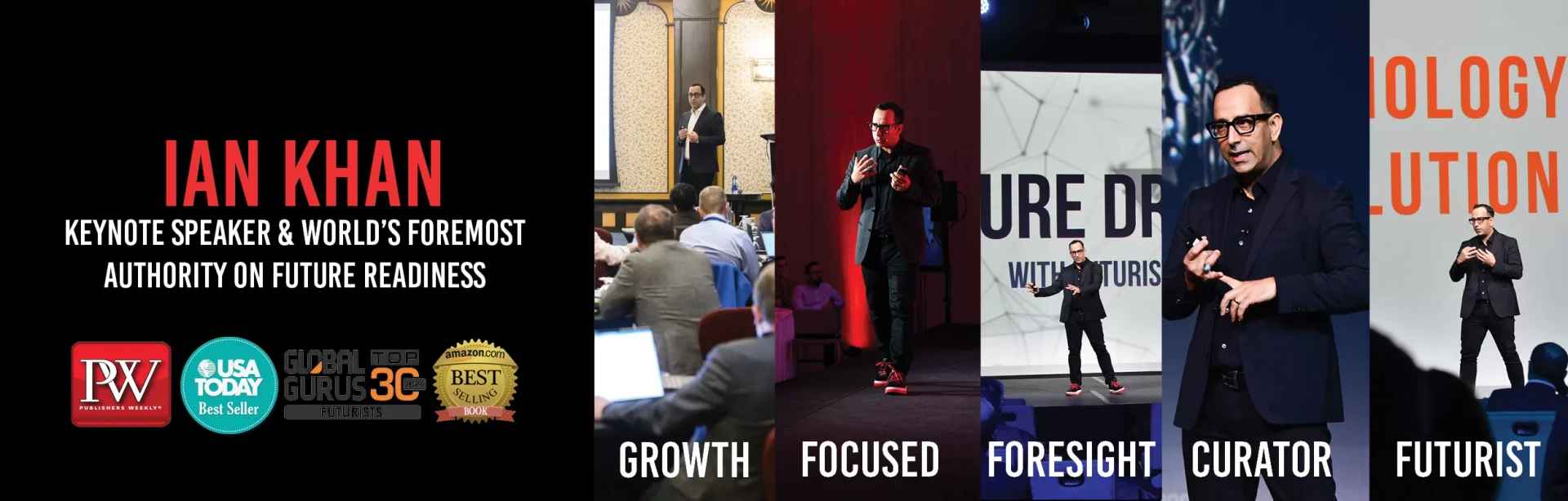
Ian Khan is a globally recognized futurist, technology keynote speaker, and 3x award-winning author whose work explores the intersection of emerging technology and human potential. As host of the documentary series “The Future of” and a Forbes contributor, Ian has helped Fortune 500 companies and government organizations navigate digital transformation. His insights on AI, blockchain, and future readiness have been featured in major publications worldwide.
Inspired by history’s greatest communicators?
Contact Ian Khan at iankhan.com to bring powerful, transformative keynote speaking to your next event.