Here Is Why Barack Obama’s “A More Perfect Union” Was Revolutionary
Barack Obama delivered his seminal speech titled “A More Perfect Union” on March 18, 2008, at the National Constitution Center in Philadelphia, Pennsylvania. This address came in the wake of controversy surrounding remarks made by his former pastor, Reverend Jeremiah Wright, which had sparked a national debate about race in America. In this pivotal moment, Obama sought to address the complexities of race relations in the United States, emphasizing the need for unity and understanding. His words not only resonated with a diverse audience but also laid the groundwork for a broader conversation about race, identity, and the American experience.
Historical Context
In 2008, the United States was on the brink of a historic presidential election, with Obama emerging as a leading candidate for the Democratic nomination. The nation was grappling with issues of race, class, and identity, particularly in light of the ongoing struggles for civil rights and social justice. The controversy surrounding Reverend Wright’s comments threatened to derail Obama’s campaign, prompting him to confront the issue head-on.
The speech was delivered during a time when America was increasingly polarized along racial lines, with many citizens feeling disillusioned by the political establishment. Obama’s candidacy represented a potential shift in the narrative, as he sought to bridge divides and promote a vision of inclusivity and hope. The audience at the National Constitution Center included supporters, skeptics, and members of the media, all eager to hear how he would address the pressing issues of the day.
The Speech Itself
In his address, Obama began by acknowledging the complexities of race in America, stating,
“I can no more disown him than I can disown the black community.”
This powerful statement underscored his commitment to addressing the realities of race while also emphasizing the shared experiences that bind Americans together. Throughout the speech, he employed a range of rhetorical techniques, including personal anecdotes, historical references, and emotional appeals, to engage his audience and convey his message.
Obama’s use of repetition, particularly in the phrase “a more perfect union,” reinforced the idea that the pursuit of equality and justice is an ongoing journey. He spoke not only about the challenges faced by marginalized communities but also about the progress that had been made, highlighting the importance of hope and resilience in the face of adversity.
His delivery was passionate and articulate, capturing the attention of listeners and inspiring them to reflect on their own beliefs and biases. The speech concluded with a call for unity and collective responsibility, urging Americans to come together to address the challenges facing the nation.
The Impact
The immediate impact of Obama’s speech was significant. It garnered widespread media attention and sparked conversations about race and identity across the country. His words resonated with individuals from diverse backgrounds, encouraging many to engage in discussions about their own experiences and perspectives.
In the short term, the speech helped to quell some of the controversy surrounding his campaign, allowing Obama to regain momentum as a candidate. It also contributed to a broader shift in public discourse, moving the conversation about race from a place of division to one of understanding and empathy. The speech was widely praised for its honesty and depth, with many commentators noting its historical significance.
In the long term, “A More Perfect Union” has become a touchstone in discussions about race and politics in America. It laid the groundwork for ongoing conversations about social justice, equality, and the role of government in addressing systemic injustices. Obama’s message continues to resonate today, as the nation grapples with issues of racial inequality and social division.
Legacy and Modern Relevance
Today, Barack Obama’s “A More Perfect Union” speech is studied in classrooms and referenced in discussions about race and identity. Its themes of unity, hope, and the importance of dialogue resonate as society continues to confront the challenges of inequality and injustice. The speech serves as a reminder that progress requires collective effort and a willingness to engage in difficult conversations.
Obama’s influence is evident in the emergence of new leaders and movements advocating for social justice and equality. His ability to articulate the complexities of race and identity has inspired a new generation of activists who continue to challenge the status quo and strive for a more inclusive society.
Conclusion
Barack Obama’s “A More Perfect Union” speech stands as a testament to the power of words to inspire change and foster understanding. It encapsulates the aspirations of a nation striving for equality and justice, reminding us of the importance of empathy and dialogue in addressing the challenges we face. As we reflect on Obama’s vision, we are called to engage in the ongoing pursuit of a more perfect union, recognizing that our collective efforts can lead to meaningful progress for all.
About Ian Khan
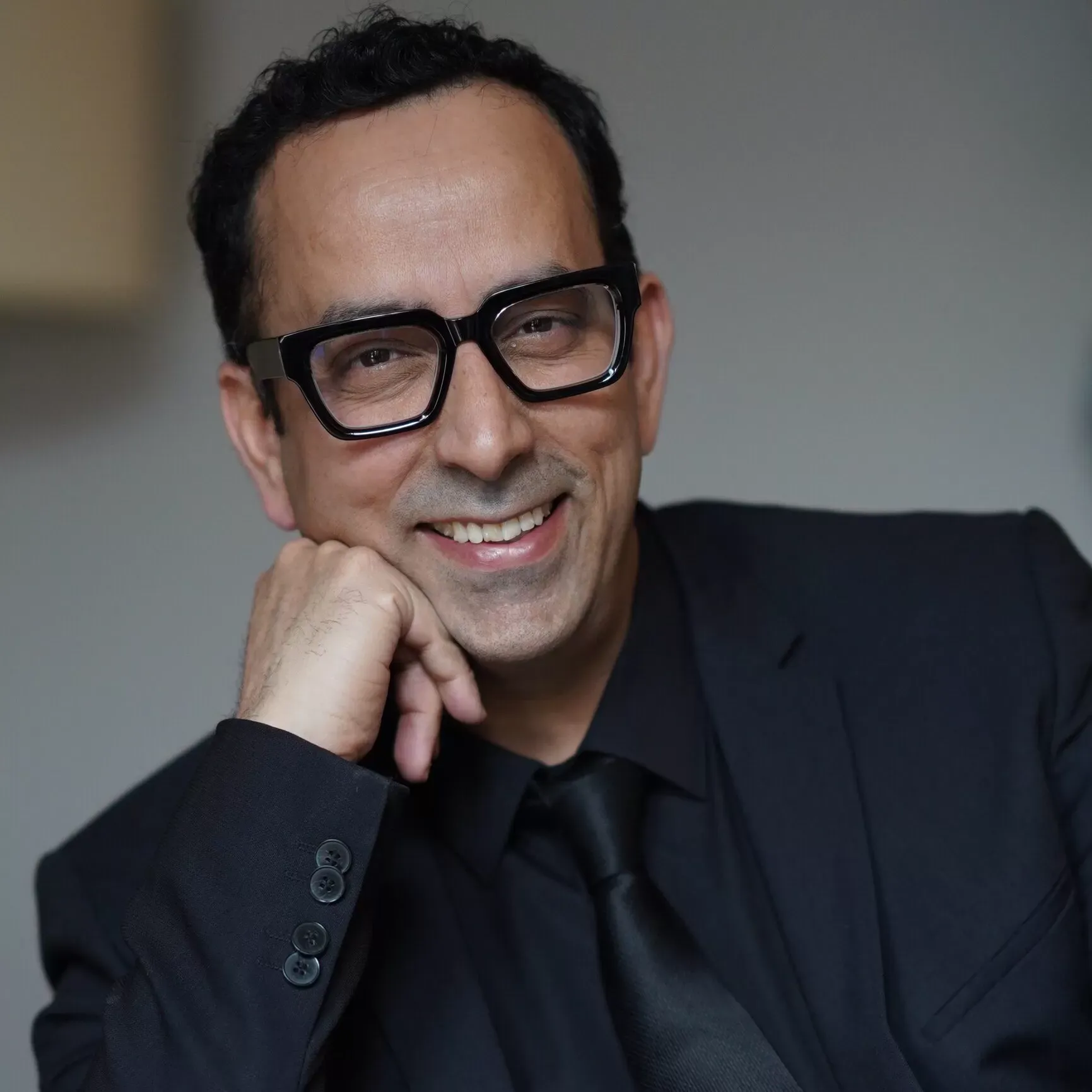
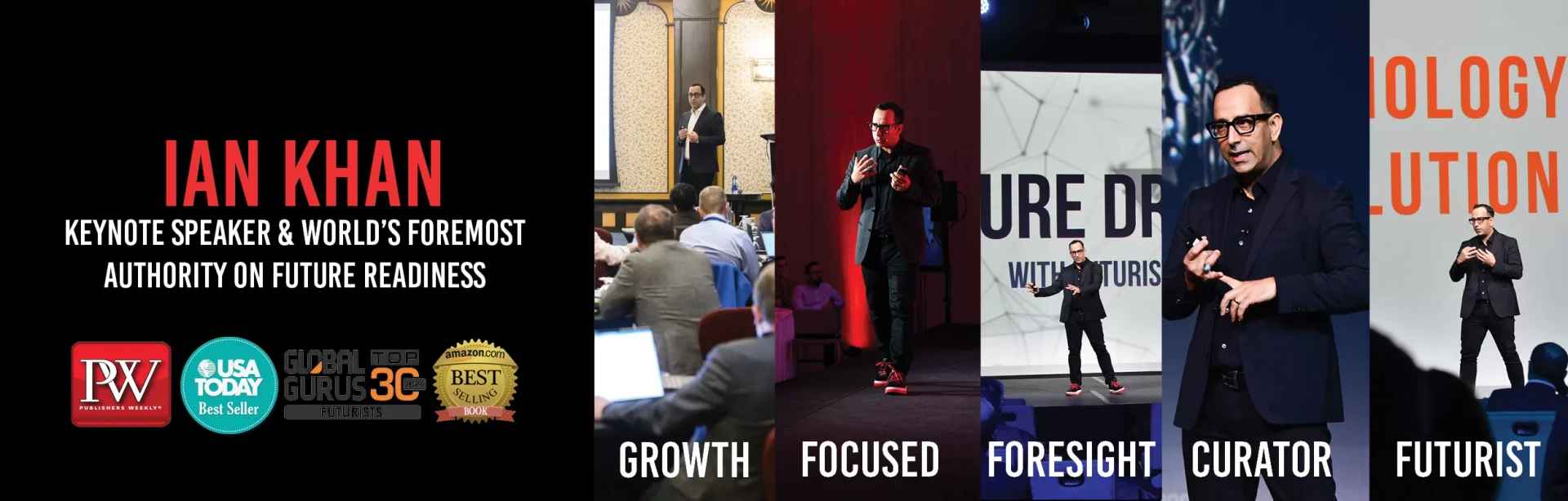
Ian Khan is a globally recognized futurist, technology keynote speaker, and 3x award-winning author whose work explores the intersection of emerging technology and human potential. As host of the documentary series “The Future of” and a Forbes contributor, Ian has helped Fortune 500 companies and government organizations navigate digital transformation. His insights on AI, blockchain, and future readiness have been featured in major publications worldwide.
Inspired by history’s greatest communicators?
Contact Ian Khan at iankhan.com to bring powerful, transformative keynote speaking to your next event.