








Introduction
In 2026, digital twin ecosystems will become a cornerstone of technological advancement, reshaping industries through real-time simulation and predictive capabilities that drive smarter decisions. As businesses grapple with resource constraints and the need for sustainability, digital twins emerge as a solution offering transformative insights and operational excellence. This is Trend #15 from Ian Khan’s Top 50 Technology Trends 2026 Report, mapping out how virtual replicas of physical assets are changing the game.
What This Trend Means
Digital twin technology involves creating virtual duplicates of physical processes, systems, or assets. By integrating IoT sensors, artificial intelligence (AI), and data analytics, these virtual twins can simulate, analyze, and predict outcomes in real-time. In 2026, digital twin ecosystems are not just individual replicas but dynamic interconnected systems that involve collaboration between multiple organizations, industries, and technologies.
For business leaders, this movement signifies a profound shift in operational efficiency, sustainability, and innovation. For example, manufacturers can use this technology to streamline supply chains, predict machine failures, and optimize production schedules. Energy companies can simulate electricity grid dynamics to improve renewable energy integration, while healthcare providers may leverage digital twins to model patient health outcomes and enhance personalized medicine.
Organizations that fail to embrace digital twin ecosystems risk falling behind competitors who can adapt quicker to changing market conditions and optimize resource utilization to make smarter decisions. The future demands systems-level thinking, and digital twins are leading the charge.
What Changed
Historically, digital twin technology had primarily been used by industries with complex, high-value assets, such as aerospace and heavy manufacturing. Over the last five years, rapid advancements in IoT and AI have made these systems more accessible across industries. In the past 36 months, the cost of deploying IoT sensors and cloud infrastructure has dropped significantly, enabling broader adoption.
Key inflection points include breakthroughs in AI-driven predictive analytics, partnerships between tech companies and industries for digital twin innovation, and legislative pushes for sustainability that encourage predictive and efficient tools. In the past year alone, strategic adoption by major organizations has demonstrated the impact of digital twins in reducing carbon footprints and cutting costs.
For example, Siemens’s partnership with airports worldwide to optimize energy and traffic management using digital twins has sent ripples throughout other industries contemplating similar applications.
What to Expect in the Next 12 Months
The coming year will see an exponential increase in the deployment of digital twin ecosystems, driven by both small-scale and enterprise-level investments. Industry leaders will use digital twins to break silos within organizations, connecting traditionally disparate functions like customer service, maintenance, and supply chain management.
With global leaders prioritizing net-zero targets, digital twin systems will enable predictive energy usage, significantly improving sustainability practices. Early adopters will also utilize a combination of AI and blockchain to ensure the integrity and security of the data driving these twins.
Organizations should start by identifying core assets, processes, or systems that could benefit from a digital twin. Cloud-based digital twin platforms will play a crucial role in enabling real-time simulations without the need for expensive on-premise infrastructure. Early movers in deploying collaborative ecosystems will gain competitive advantages, positioning themselves as industry leaders in innovation and efficiency.
Opportunities and Risks
Opportunities
- Enhanced Operational Efficiency: Organizations can optimize processes in real-time, reducing costs and increasing productivity.
- Improved Sustainability: Predictive capabilities will support eco-friendly practices, helping companies hit ESG (Environmental, Social, Governance) targets.
- Cross-Industry Collaboration: Ecosystem-wide deployment of digital twins will foster partnerships, driving collective innovation.
Risks
- Data Security Concerns: Real-time simulations rely heavily on data, creating vulnerabilities if systems are not properly secured.
- High Implementation Costs: Although becoming more affordable, initial deployment and integration costs may be a barrier for some organizations.
- Resistance to Change: Organizations tied to legacy systems may struggle to adapt to this new ecosystem-based approach.
Industry Impact
The industries most affected by digital twin ecosystems include manufacturing, healthcare, energy, transportation, and urban planning. For example, cities developing smart infrastructure will use digital twins to simulate traffic flows, energy consumption, and waste management. Meanwhile, healthcare could drastically improve outcomes with patient-specific virtual models that predict treatment efficacy.
Cross-sector implications include heightened competitive pressures to innovate quickly and collaboratively. Organizations that adopt digital twins will disrupt traditional market dynamics, and industries that lag behind risk becoming obsolete.
Key Takeaways
- Digital twin ecosystems are the future of real-time simulation and analytics, fostering smarter, sustainable business practices.
- Organizations must prioritize integration and collaboration, treating digital twins as part of broader technological strategies.
- Industries embracing digital twins will accelerate operational efficiency, drive innovation, and gain competitive advantages.
- Early adoption provides significant benefits, but risks around data security and implementation costs must be managed carefully.
- Sustainable futures will be heavily influenced by predictive and collaborative systems—investing in digital twin capabilities is no longer optional.
Call to Action
Digital twin ecosystems represent just one of 50 transformative ideas shaping the technology landscape of 2026. For deeper insights and a comprehensive analysis, download Ian Khan’s Top 50 Technology Trends 2026 Report. Together, let’s build a more informed, innovative, and sustainable future.
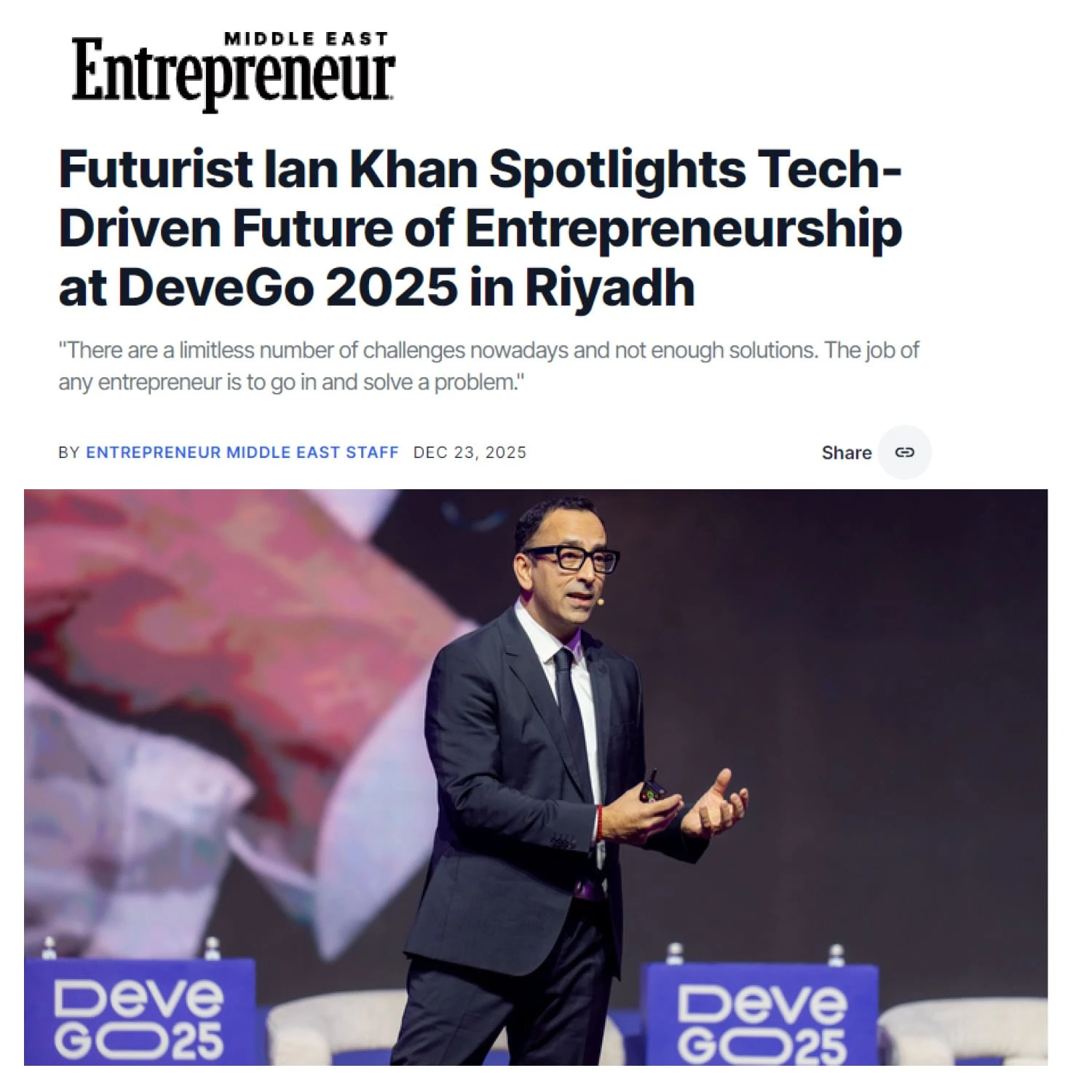
Ian Khan is a leading futurist and AI keynote speaker, helping organizations leverage cutting-edge technology for success. Learn more at IanKhan.com.