CES 2026: The AI-Powered Everything Revolution Takes Shape
Introduction
The Consumer Electronics Show (CES) is more than a trade show; it is the annual barometer for the global technology industry. Each January in Las Vegas, the trajectory of consumer and enterprise technology for the coming year—and often the coming decade—is set. The colossal success of CES 2025, which drew over 180,000 attendees from 150+ countries, was defined by one overarching theme: the pervasive, practical application of Artificial Intelligence. From the chip level to the end-user experience, AI was the invisible engine powering nearly every significant announcement. As we look ahead to CES 2026, the question is not if AI will dominate, but how it will evolve from a novel feature into the fundamental, integrated fabric of our digital lives. This article provides a strategic forecast for CES 2026, analyzing the trends from 2025 to prepare business leaders for the next phase of the AI-powered everything revolution.
Event Overview: The AI Foundation Laid at CES 2025
CES 2025 was a landmark event that solidified AI’s transition from a buzzword to a core technology driver. The Las Vegas Convention Center and surrounding venues were a living lab of intelligent systems. Attendance shattered previous records, with over 180,000 professionals navigating more than 2,500 exhibitors across 2.4 million net square feet of exhibit space. The keynote stage was headlined by industry titans like Lisa Su of AMD, who unveiled the next-generation Ryzen AI processors, and Pat Gelsinger of Intel, who detailed the AI-accelerated future of the PC with their new Core Ultra platforms.
The 2025 show floor was a testament to AI’s breadth. Samsung’s “AI for All” vision showcased Bespoke appliances that could automatically order groceries and ovens that suggested recipes based on the food inside. In the automotive sector, Mercedes-Benz and BMW wowed audiences with Level 3+ autonomous driving demonstrations powered by advanced neural networks, promising hands-free, eyes-off highway capabilities. The health and wellness sector saw a surge in AI-powered devices, from Movano’s Evie Ring, which provided personalized women’s health insights, to Withings’ new beamO device, which turned a smartphone into a multifunction clinical-grade health monitor. The sheer volume and diversity of AI applications at CES 2025 made it clear: the foundational infrastructure and initial consumer-facing applications are now in place. CES 2026 will be about building upon this foundation, moving from proof-of-concept to mass-market integration and interoperability.
Major Announcements Expected at CES 2026
Based on the momentum from 2025, CES 2026 will feature several high-profile announcements that push the boundaries of current technology.
The AI PC War Escalates
Expect Qualcomm, Intel, and AMD to unveil their second-generation NPU (Neural Processing Unit)-focused processors. The battle will shift from raw TOPS (Trillion Operations Per Second) to real-world AI application performance and battery life. We anticipate announcements of laptops that can run complex large language models (LLMs) entirely offline, enabling a new era of private, secure, and instantaneous AI assistants.
Generative AI in Consumer Hardware
Following the software demos of 2025, CES 2026 will see generative AI deeply embedded into hardware. LG and Samsung will likely announce TVs that can generate personalized content or alter film aesthetics in real-time based on viewer preference. Camera manufacturers like Sony and Canon will showcase models with generative AI features built directly into the sensor and image processor, allowing for revolutionary post-capture editing and even scene generation.
The Autonomous Vehicle Reality Check
After the promising demonstrations of 2025, CES 2026 will be where major automakers announce concrete commercialization timelines for Level 3 autonomy in consumer vehicles. Companies like GM’s Cruise and Ford are expected to reveal their next-generation sensor suites and AI driving models, focusing on urban navigation and complex edge-case handling, moving beyond controlled highway scenarios.
Spatial Computing Goes Mainstream
With Apple’s Vision Pro ecosystem maturing and competitors like Meta and Sony pushing their own devices, CES 2026 will be the launchpad for a new wave of mixed reality hardware. Expect lighter, more affordable, and more powerful headsets that position spatial computing not as a niche, but as a legitimate platform for work, collaboration, and entertainment.
Emerging Trends
Several key trends, nascent in 2025, will become fully-formed movements at CES 2026.
Ambient Intelligence
The smart home will evolve into the intelligent home. Instead of responding to voice commands, devices will proactively manage the environment. AI will learn routines, anticipate needs, and optimize energy usage, security, and comfort seamlessly across brands, driven by emerging Matter 2.0 and other interoperability standards.
AI for Sustainability
The “green tech” section of CES will be supercharged by AI. We will see smart grids demonstrated by companies like Schneider Electric, AI-optimized agricultural tech from John Deere, and consumer products that track and automatically minimize their carbon footprint and energy consumption throughout their lifecycle.
The Personal Health Avatar
Building on the health tech of 2025, the next step is the creation of a comprehensive digital twin of an individual’s health. This “avatar” will aggregate data from wearables, smart scales, and at-home diagnostic tools, using AI to provide predictive health insights, simulate treatment outcomes, and offer personalized wellness coaching.
Hyper-Personalized Retail
The retail tech section will showcase AI that moves beyond recommendation engines. Expect virtual try-on technology that is photorealistic, smart mirrors that suggest complete outfits based on your schedule and existing wardrobe, and autonomous checkout systems that are completely frictionless.
Industry Insights
CES 2026 will reveal critical shifts in how industries perceive and leverage technology.
The Blurring of Industry Boundaries
CES is no longer just for consumer electronics companies. The presence of automotive, healthcare, retail, and financial services firms will be even more pronounced. The insight is clear: every company is now a technology company. Success hinges on the ability to integrate advanced AI and connectivity into core products and services.
The Shift from Product to Platform
The most successful companies at CES 2026 will not be those with a single clever device, but those that demonstrate a cohesive ecosystem. The value is in the platform—the data, the AI, the interoperability—not the standalone gadget. This forces a strategic rethink for businesses accustomed to selling discrete products.
The Privacy and Ethics Reckoning
As AI becomes more embedded and personal, the industry will be forced to confront the data privacy and ethical implications head-on. CES 2026 will feature dedicated panels and keynotes on “Responsible AI,” and companies that can transparently demonstrate robust data governance and ethical AI frameworks will gain a significant competitive advantage.
Standout Innovations to Watch
While major keynotes capture headlines, the true future is often found in the Eureka Park startup zone and smaller pavilions. At CES 2026, watch for:
Brain-Computer Interfaces (BCIs) for Consumers
Following early demos in 2025, we expect to see more polished, consumer-focused BCI headsets from startups like NextMind. These will not be for controlling complex software yet, but for meditation enhancement, focus tracking, and simple game control, representing the first steps toward a new human-machine interaction paradigm.
Solid-State Battery Breakthroughs
The quest for better energy storage is eternal. After numerous prototypes in 2025, CES 2026 may feature the first commercial product announcements leveraging solid-state batteries from companies like QuantumScape, promising smartphones with week-long battery life and EVs with 1,000-mile ranges.
AI-Powered Materials Science
Look for displays of new “programmable” materials—fabrics that change their insulation properties based on weather, or surfaces that can self-clean or repair minor scratches, all controlled by embedded micro-AI systems.
Expert Perspectives
The keynote and panel stages at CES 2026 will be filled with urgent discussions about the societal and economic impact of these technologies. Thought leaders will move beyond the “what” of AI to the “so what.” Key themes from these expert perspectives will include:
The Future of Work in an AI-Augmented World
How do we reskill the workforce when AI can perform an increasing number of cognitive tasks? The dialogue will focus on human-AI collaboration models.
The Digital Divide 2.0
As technology becomes more powerful and personalized, experts will warn of a new divide emerging—not just in access to technology, but in access to the *benefits* of AI, such as hyper-personalized healthcare and education.
Regulatory Landscapes
With the EU AI Act and other regulations coming into force, legal and technology experts will dissect what compliance means for global product development and deployment.
Business Implications
For any business leader, ignoring the signals from CES is a strategic risk. The implications for CES 2026 are profound.
Strategic Imperative
Every company must develop an AI-first roadmap. This is no longer an IT project but a core business strategy. Leaders must ask how AI can redefine their value proposition, optimize their operations, and create new customer experiences.
Investment in Interoperability
The winning ecosystems will be open and collaborative. Businesses must prioritize partnerships and ensure their products and services can seamlessly integrate into the broader intelligent environments being built.
Talent and Culture Shift
The need for AI literacy across all departments—from marketing to HR to finance—is critical. Companies must invest in upskilling their workforce to work alongside AI tools effectively.
Future Forecast: Beyond CES 2026
The trends set at CES 2026 will pave the way for the rest of the decade. We foresee the convergence of AI, biotechnology, and nanotechnology leading to even more profound changes. By CES 2027, we may be discussing the first commercially viable bio-integrated sensors and the emergence of AI systems that demonstrate foundational reasoning, moving beyond pattern recognition to a form of digital common sense. The line between the physical and digital worlds will continue to dissolve, creating both unprecedented opportunities and complex ethical challenges that will define the next chapter of human progress.
Conclusion
CES 2026 is poised to be the event where the AI revolution transitions from a period of explosive discovery to one of sophisticated integration and scale. The intelligent, connected, and autonomous future teased at CES 2025 will begin to materialize in tangible, commercially available products and platforms. For business leaders, the time for observation is over. The mandate is to actively engage, to develop a deep understanding of these technologies, and to build a culture of Future Readiness. Attending CES 2026 with a strategic lens is not a luxury; it is a necessity for any organization that intends to lead, rather than follow, in the coming age of intelligence.
—
About Ian Khan
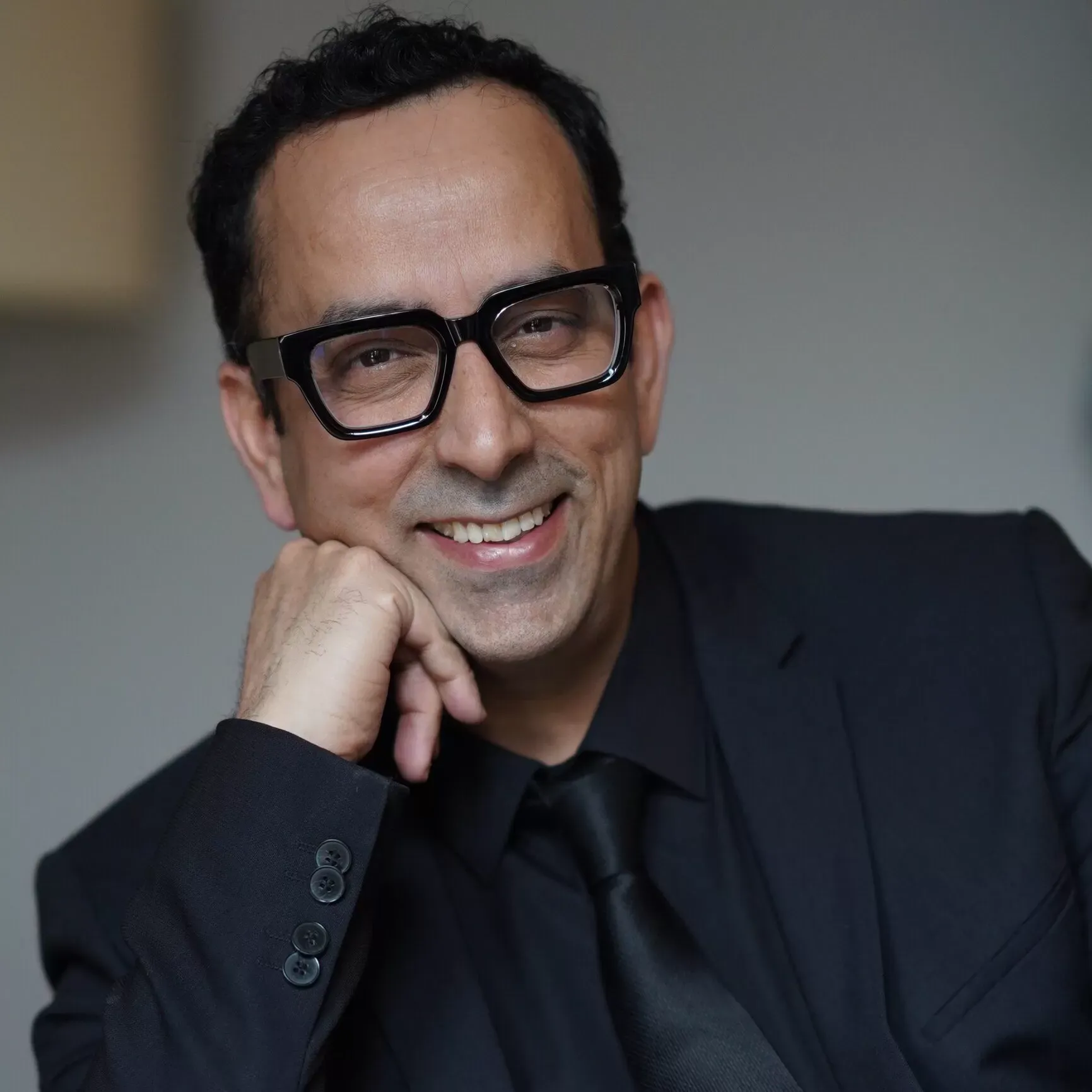
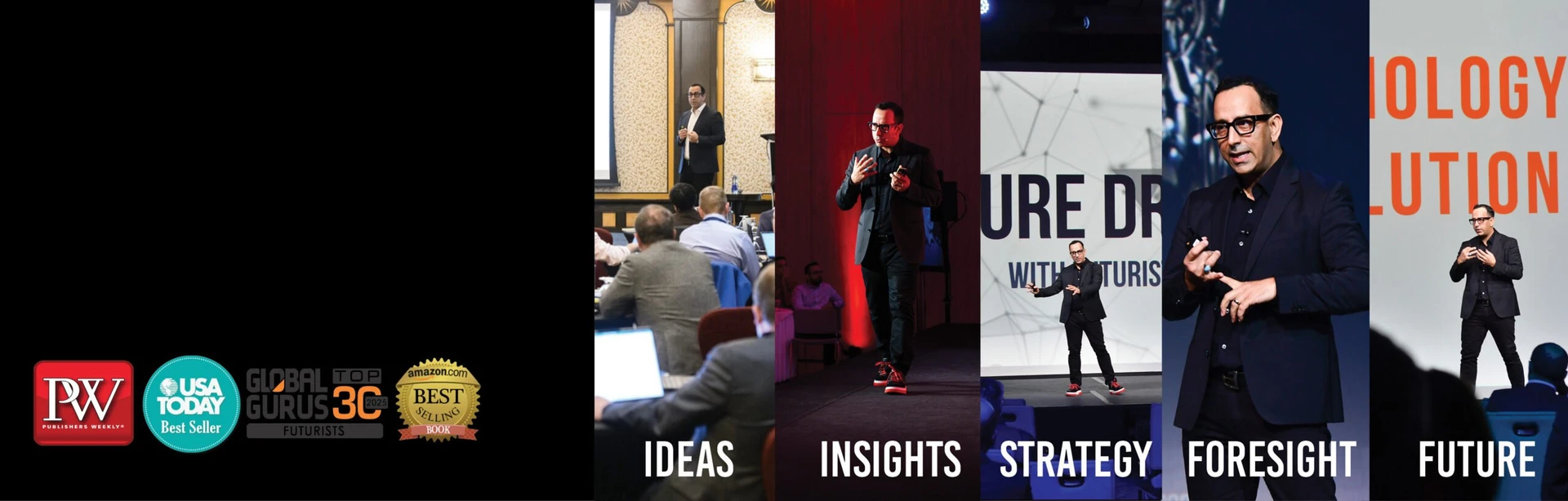
Ian Khan is a globally recognized futurist, bestselling author, and the creator of the Amazon Prime series “The Futurist.” His work is dedicated to helping organizations and individuals understand the impact of technology on business and society. Recognized on the prestigious Thinkers50 Radar list of global management thinkers, Ian is a trusted voice on the future of work, AI, and emerging technologies.
With years of experience delivering powerful keynotes at the world’s leading technology conferences and corporate events, Ian has a unique talent for synthesizing complex technological trends into clear, actionable business strategies. His expertise in Future Readiness—a framework for thriving in times of rapid change—enables leaders to anticipate market shifts, leverage new technologies, and build resilient, forward-thinking organizations. He doesn’t just predict the future; he provides the strategic roadmap to succeed within it.
Is your organization Future Ready? Elevate your next major event, strategic offsite, or leadership workshop with Ian Khan. Contact us today to book Ian for a transformative keynote presentation, a deep-dive Future Readiness workshop for your leadership team, or a private briefing on the critical technology trends revealed at CES and other premier industry events.