Opening: Why This Matters Now
In an era where the IT sector faces headwinds from economic uncertainties and shifting market demands, the campus offer circuit for top engineering talent is buzzing with unprecedented activity. This paradox—where hiring for elite graduates intensifies despite broader industry slowdowns—highlights a critical juncture in the digital economy. For business leaders and consumers alike, understanding this trend is essential, as it signals a strategic pivot toward innovation-driven growth. The timing is crucial: with rapid advancements in AI, cloud computing, and consumer tech, companies are racing to secure the minds that will shape tomorrow’s products and services, even as they navigate today’s challenges.
Current State: What’s Happening in the Campus Offer Circuit
Recent data from sources like the National Association of Colleges and Employers (NACE) indicates a surge in campus recruitment for engineering roles, with tech giants and startups alike offering competitive packages to secure top talent. For instance, in 2023, major firms reported a 15-20% increase in internship conversions and signing bonuses for engineering graduates, despite overall IT hiring slowing by 5-10% in some regions. This isn’t just about filling roles; it’s a targeted effort to attract individuals skilled in emerging areas like AI development, cybersecurity, and user experience design. Companies are leveraging campus events, hackathons, and virtual career fairs to engage students, emphasizing perks such as remote work options and equity stakes to stand out in a crowded market.
From a consumer perspective, this trend reflects how user demands are evolving. As consumers increasingly rely on smart devices, apps, and digital services, the need for seamless, secure, and innovative experiences is driving demand for engineers who can bridge technical prowess with consumer-centric design. For example, the rise of generative AI in everyday tools—from chatbots to personalized recommendations—has made roles in machine learning and data science particularly hot commodities. This campus frenzy isn’t isolated; it’s part of a broader shift where businesses prioritize talent that can accelerate digital transformation, even amid economic caution.
Analysis: Implications, Challenges, and OpportunitiesImplications for Businesses and Consumers
The intense competition for engineering talent has profound implications. For businesses, it means higher costs and potential wage inflation, as companies offer salaries 20-30% above market averages to lure top graduates. This could strain budgets, especially for smaller firms, and lead to a talent gap in non-elite roles. However, it also fosters innovation; by investing in young engineers, companies can drive breakthroughs in areas like sustainable tech and edge computing, which directly benefit consumers through faster, more reliable products. On the consumer side, this trend could accelerate the adoption of cutting-edge technologies, making AI-driven assistants or IoT devices more intuitive and accessible. Yet, it also raises concerns about data privacy and digital divides, as rapid innovation may outpace regulatory frameworks and equitable access.
Challenges in the Current Landscape
Despite the opportunities, several challenges loom. The skills mismatch is a key issue; while demand is high for specialized roles like AI ethics or quantum computing, many graduates lack the practical experience needed, leading to onboarding delays. Additionally, the focus on elite campuses risks excluding diverse talent pools, perpetuating homogeneity in tech innovation. From a consumer angle, this could result in products that fail to address broader societal needs, such as accessibility for underserved communities. Moreover, the IT slowdown in other areas—like legacy system maintenance—means resources are diverted, potentially slowing down broader digital transformation efforts and leaving consumers with fragmented tech ecosystems.
Opportunities for Growth and Adaptation
Amid these challenges, there are significant opportunities. Companies that embrace upskilling programs and partnerships with universities can cultivate a pipeline of talent tailored to future needs, reducing reliance on external hiring. For consumers, this could mean more personalized and secure tech experiences, as engineers drive advancements in areas like explainable AI and privacy-by-design. The campus circuit’s buzz also highlights a shift toward agile innovation, where businesses leverage young talent to experiment with disruptive ideas, from metaverse applications to green tech solutions. This aligns with broader trends in digital transformation, emphasizing resilience and adaptability in uncertain times.
Ian’s Perspective: A Futurist’s Take and Predictions
As a technology futurist, I see this campus offer frenzy as a clear indicator of the future readiness imperative. In my view, it’s not just about hiring for today’s roles but betting on the architects of tomorrow’s digital landscape. The current IT slowdown in areas like traditional software development is a temporary adjustment, while the surge in engineering recruitment reflects a long-term strategy to dominate in AI, quantum, and consumer IoT. I predict that this trend will intensify, with companies increasingly valuing cross-disciplinary skills—such as engineers with backgrounds in ethics or sustainability—to build responsible and inclusive technologies. However, if not managed carefully, it could lead to a bubble in talent costs, similar to the dot-com era, where overinvestment in certain niches results in market corrections.
My perspective is shaped by observing how past cycles of tech booms and busts have reshaped industries. For instance, the early 2000s saw a similar focus on web developers, which eventually fueled the social media revolution. Today, the emphasis on AI and engineering talent could catalyze a new wave of consumer tech innovations, but it requires balancing innovation with ethical considerations. I urge leaders to view this not as a hiring spree but as a strategic investment in building adaptive organizations that can thrive amid volatility.
Future Outlook: What’s Next in 1-3 Years and 5-10 Years1-3 Years Ahead
In the near term, expect the campus offer circuit to become even more competitive, with companies integrating AI-driven recruitment tools to identify top talent efficiently. We’ll see a rise in hybrid roles blending engineering with fields like healthcare or finance, driven by consumer demand for integrated solutions. For example, engineers might develop AI-powered diagnostic tools that personalize medical advice, making tech more accessible. However, challenges like talent burnout and ethical dilemmas in AI deployment will require proactive measures, such as stronger mentorship programs and regulatory frameworks.
5-10 Years Ahead
Looking further out, the focus will shift from hiring to lifelong learning ecosystems, where continuous education and micro-credentials become the norm. Engineering talent will be central to breakthroughs in areas like quantum computing and biotech interfaces, potentially revolutionizing how consumers interact with technology—think brain-computer interfaces for everyday use. This could lead to a more decentralized tech landscape, with startups challenging incumbents by leveraging agile, talent-rich teams. Yet, it also poses risks, such as job displacement from automation, underscoring the need for policies that support workforce transitions.
Takeaways: Actionable Insights for Business Leaders
- Invest in Talent Development: Instead of solely relying on external hires, build internal upskilling programs to nurture engineering talent aligned with future trends like AI and sustainability.
- Foster Diversity and Inclusion: Broaden recruitment beyond elite campuses to tap into underrepresented groups, ensuring innovations reflect diverse consumer needs and reducing the risk of groupthink.
- Embrace Ethical Innovation: Integrate ethics training into engineering roles to address consumer concerns around data privacy and AI bias, building trust and long-term brand loyalty.
- Leverage Partnerships: Collaborate with universities and research institutions to co-create curricula and internship programs, creating a steady pipeline of future-ready talent.
- Monitor Economic Signals: Stay agile by balancing talent investments with cost controls, using data analytics to anticipate shifts in the IT landscape and avoid overextension.
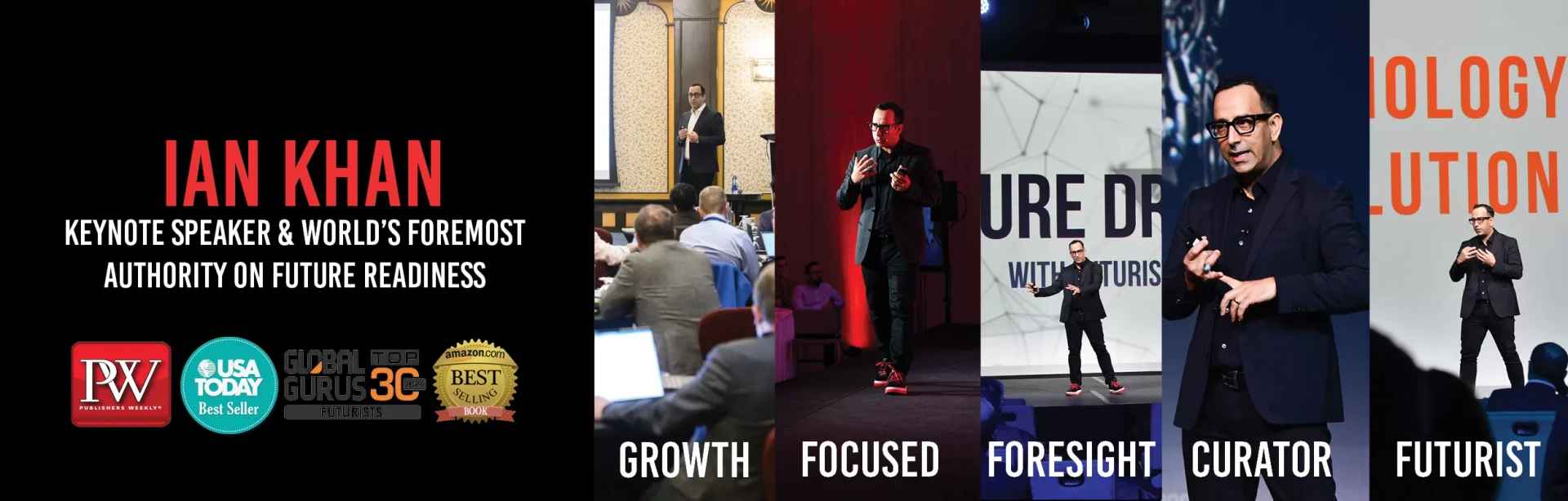
Ian Khan is a globally recognized technology futurist, voted Top 25 Futurist and a Thinkers50 Future Readiness Award Finalist. He specializes in AI, digital transformation, and future readiness, helping organizations navigate technological shifts.
For more information on Ian’s specialties, The Future Readiness Score, media work, and bookings please visit www.IanKhan.com